
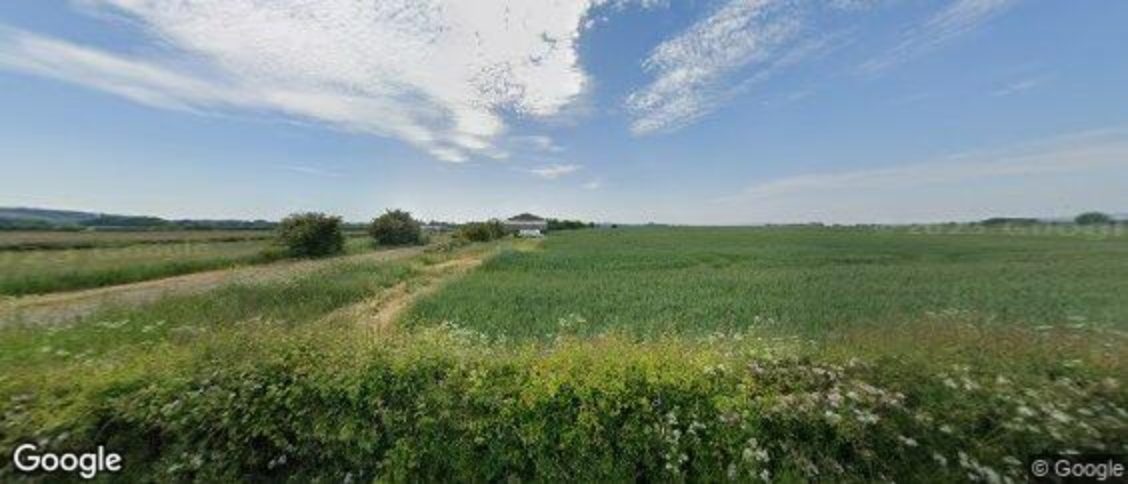
Thirston, a quaint village in the heart of Northumberland, has a reputation for being charming and picturesque, but is it truly a nice place to live? Nestled close to the town of Morpeth, Thirston offers a blend of rural serenity and access to essential amenities. But like any place, it has its pros and cons. This article dives into various aspects of living in Thirston, providing an honest, balanced perspective for potential residents.
Is Thirston safe?
Safety is a significant concern for anyone considering a new place to live. Locals generally regard Thirston as a safe and peaceful village. The crime rate here is considerably lower than the regional average, which is reassuring for potential residents. However, it’s worth noting that, like any community, it’s not entirely free from crime. The most commonly reported incidents occur on streets like Lakeside Drive and Felmoor Drive, but these are relatively few and far between.
An interesting local tidbit: some residents recall a time when the community came together to address minor issues in the area, such as vandalism in the local park. These efforts have paid off, making Thirston a more secure place to live. Overall, you can expect a calm and safe environment, but it’s always good to stay vigilant, as you would anywhere.
Is Thirston a nice place to live for families?
Family-Friendly Atmosphere
Thirston is generally perceived as a lovely place for families. The village vibe, combined with open spaces and community activities, makes it appealing for those with young children. There are several parks and playgrounds where kids can run around and play safely. The local community often hosts events like summer fairs and Christmas markets, which are great for family bonding.
Schools and Education
When it comes to schooling, Thirston falls a bit short. There are no outstanding primary or secondary schools directly within the village. The nearest primary school, Felton Church of England Primary School, is rated as ‘Good’. However, due to catchment area restrictions, securing a spot can be challenging. For secondary education, parents often look towards schools in nearby towns, which can mean additional travel.
Is Thirston expensive?
Living in Thirston can be relatively expensive, especially compared to some of its neighbouring areas. The average house price in Thirston is around £315,000. Detached properties are the most expensive, averaging £420,000, which is quite steep for a village setting. Semi-detached and terraced houses are more affordable, at £230,000 and £205,000 respectively.
Renting in Thirston isn’t exactly cheap either. A one-bedroom flat typically rents for about £450 per month. If you’re looking for more budget-friendly options, you might consider nearby villages where property prices and rents are slightly lower. However, the charm and tranquillity of Thirston often justify the higher costs for many residents.
What transport links are there?
Thirston’s rural setting means it’s somewhat limited in terms of public transport. There are a few bus routes that connect the village to nearby towns like Morpeth and Alnwick, but they might not be as frequent as some would like. If you rely heavily on public transport, this could be a drawback.
On the plus side, Thirston is well-connected by road. The A1 is just a short drive away, making commuting to larger cities like Newcastle relatively straightforward. Most residents find it convenient to have a car for daily errands and commuting purposes.
What amenities are available in Thirston?
Thirston is a bit limited when it comes to amenities. There are no shops, restaurants, or healthcare facilities within the village itself. However, you’re not entirely out of luck. The nearby Eshott Airfield Café is a popular spot for a coffee and a bite to eat while watching the planes. For a proper night out, the Crazy Horse Saloon n Grill and NE65 Bar are just a short drive away.
For shopping and healthcare, residents typically head to Morpeth, where you’ll find a wider range of options, including supermarkets, GP surgeries, and pharmacies. So, while Thirston itself may lack certain amenities, its proximity to Morpeth helps fill in those gaps.
What is the surrounding outdoor area like?
One of Thirston’s biggest selling points is its stunning natural surroundings. The village is surrounded by lush countryside, offering plenty of opportunities for outdoor activities. There are several walking trails that take you through scenic routes, perfect for those who enjoy hiking or casual strolls. The nearby Druridge Bay Country Park is a favourite among locals for picnics and bird-watching.
For those who enjoy more organised outdoor activities, the local community often arranges nature walks and cycling events. The proximity to the Northumberland National Park also means you’re never too far from some truly breathtaking landscapes.
So, what’s the verdict?
Thirston has a lot going for it. It’s a safe, family-friendly village with beautiful natural surroundings and a close-knit community. However, it does come with its drawbacks, such as limited amenities and higher living costs. If you’re looking for a peaceful, rural setting and don’t mind the occasional trip to nearby towns for shopping and other services, Thirston could be a great fit for you.
What are the alternatives?
If Thirston doesn’t quite tick all your boxes, there are several nearby alternatives worth considering. Morpeth, for instance, offers more amenities and better public transport links while maintaining a similar charm. Alnwick is another option, known for its historic castle and vibrant community events. Each of these places has its pros and cons, but they all offer a slightly different take on Northumberland living.
What's your experience of Thirston?
Let us know your views of Thirston. Alternatively, if you'd like to suggest an amend to our article, please get in touch.