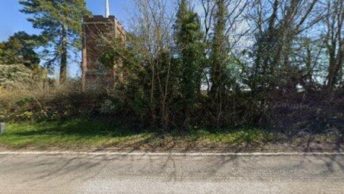
Sleapshyde is a tiny hamlet tucked away in the countryside near St Albans, Hertfordshire. This minuscule settlement offers something rather unusual in modern Britain: genuine rural seclusion that’s still within commuting distance of London. The place consists of little more than a cluster of homes, a pub, and working farmland, making it either gloriously peaceful or mind-numbingly dull, depending on your perspective. This article cuts through the estate agent waffle to examine whether Sleapshyde genuinely delivers the good life or if prospective residents might be better off looking elsewhere. The lack of amenities will be a deal-breaker for some, while the charming countryside setting and community spirit might be exactly what others are searching for.
Is Sleapshyde safe?
Locals tend to view Sleapshyde as exceptionally safe, which is hardly surprising given its size and rural isolation. You’re more likely to be bothered by an escaped sheep than a troublemaker. The hamlet is so small that it barely registers in crime statistics, with most recorded incidents happening in nearby settlements rather than Sleapshyde itself.
Crime data for the wider area shows hotspots in more populated nearby locations such as Broom Close and Admirals Close, but these aren’t part of Sleapshyde proper. The hamlet benefits from what locals call “natural security” – everyone knows everyone, strangers stick out like sore thumbs, and the lack of passing traffic means suspicious activity is quickly spotted. That said, the isolated location means police response times can be longer than in more urban areas.
Is Sleapshyde a nice place to live for families?
Sleapshyde presents a curious paradox for families. On one hand, it offers idyllic countryside living with clean air and safe spaces for children to explore. On the other, its tiny size means families must look beyond its boundaries for most amenities and services, including schools.
Schools
There are no schools within Sleapshyde itself – unsurprising given its hamlet status. Families must look to nearby St Albans, Hatfield and surrounding villages for education. The good news is that several outstanding schools lie within reasonable distance, though competition for places can be fierce, and you’ll be facing school runs rather than walks.
Nicholas Breakspear Catholic School receives high marks from Ofsted but requires families to meet faith criteria. Fleetville schools are popular options in St Albans but involve a significant journey from Sleapshyde. The reality is that while excellent schools exist in the wider area, Sleapshyde’s location means education involves logistics that wouldn’t apply in more populated areas.
Family Activities
Sleapshyde itself offers limited structured activities for children. The Colney Heath Play Area is the nearest proper playground, but it’s not actually in Sleapshyde. What the hamlet does offer is countryside living – fields, footpaths, and natural spaces where children can experience outdoor adventures of the sort increasingly rare in modern childhood.
The Plough pub (the hamlet’s sole establishment) is family-friendly and occasionally hosts community events. For organised activities, swimming lessons, or soft play, families will need to travel to St Albans or Hatfield. This makes Sleapshyde better suited to families who value rural living over convenient access to activities, or those with older children who can navigate themselves to nearby towns.
Is Sleapshyde expensive?
Sleapshyde commands premium prices that reflect its countryside charm and relative scarcity of properties. With an average house price hovering around £750,000, it’s significantly pricier than many nearby areas. The property market here is extremely limited – sometimes years pass without a single home changing hands.
Detached properties, when they do become available, fetch close to the million-pound mark, while the hamlet’s charming period cottages and converted farm buildings rarely sell for less than £550,000. The rental market is practically non-existent, with properties seldom becoming available to let.
For those priced out of Sleapshyde, nearby Colney Heath offers similar rural character at slightly lower prices, while London Colney provides more affordable options with better amenities. The premium paid for Sleapshyde essentially buys tranquility, exclusivity, and countryside views – practical amenities are conspicuously absent from what you’re paying for.
What transport links are there?
Transport is Sleapshyde’s Achilles heel. The hamlet has no railway station, with St Albans City (for Thameslink services to London) and Hatfield being the nearest options, both requiring a car journey. Bus services are limited to non-existent, with residents reporting that even the occasional services that theoretically serve the area are unreliable.
Road access is via narrow country lanes that can become problematic in poor weather. The A1(M) and M25 are reasonably accessible for drivers, making the hamlet viable for car-owning commuters willing to drive to a station or all the way to work. The reality is stark: without a car, living in Sleapshyde would be extremely challenging, if not impossible.
What amenities are available in Sleapshyde?
The honest answer is: precious few. Sleapshyde’s amenities consist primarily of The Plough pub, which serves as the social hub of the community. There’s no shop, no post office, no doctor’s surgery – not even a postbox within the hamlet itself.
For everyday shopping, residents typically drive to Colney Heath for basic necessities at Colney Heath News or further afield to supermarkets in St Albans or Hatfield. Takeaway options are limited to what will deliver to this rural location, with The Rice being one that will make the journey.
Healthcare facilities require a journey to surrounding towns, with no services in Sleapshyde itself. The nearest GP surgeries are in nearby villages or St Albans. What Sleapshyde lacks in conventional amenities, it makes up for in peace and quiet – but prospective residents should be under no illusions about the practical realities of hamlet living.
What is the surrounding outdoor area like?
This is where Sleapshyde truly shines. The hamlet is surrounded by genuine countryside with working farms, ancient woodlands, and a network of footpaths. Residents can step outside their doors and immediately access rural walks without needing to drive anywhere.
Colney Heath Community Park is accessible via country lanes and footpaths, offering more structured outdoor space. The River Colne provides pleasant riverside walks, while the wider area contains numerous bridleways popular with horse riders from local stables.
For those who value connection with nature, changing seasons, and the ability to walk for miles without crossing a main road, Sleapshyde delivers in spades. The air quality is noticeably better than in nearby towns, and light pollution is minimal enough for decent stargazing on clear nights.
So, what’s the verdict?
Sleapshyde is decidedly not for everyone. Those seeking convenience, amenities, public transport, or affordability should look elsewhere immediately. However, for a specific type of person – one who values rural tranquility, community connection, and countryside living above modern conveniences – it offers something increasingly rare in the Home Counties.
The hamlet works best for those who work from home most days, have reliable transport, don’t mind driving for every pint of milk, and appreciate the genuine countryside character that has been lost in many more developed villages. It’s particularly suited to those who’ve already experienced urban living and are making a conscious choice to prioritise space and quiet over convenience.
What are the alternatives?
For those drawn to Sleapshyde’s rural charm but put off by its limitations, several alternatives exist. Colney Heath offers a similar feel with more amenities, including a shop, primary school, and better bus services. London Colney provides significantly more facilities with some countryside access, though it lacks Sleapshyde’s exclusive feel.
For those with deeper pockets, villages like Wheathampstead or Sandridge offer rural character with more amenities and stronger communities. Meanwhile, the northern edges of St Albans provide a compromise of countryside access with urban convenience just minutes away.
Jersey Farm and Marshalswick offer family-friendly environments with good schools and amenities while still being close to countryside walks. They represent more practical choices for most buyers, though they lack Sleapshyde’s distinctive isolated charm that makes it so appealing to its devoted residents.