
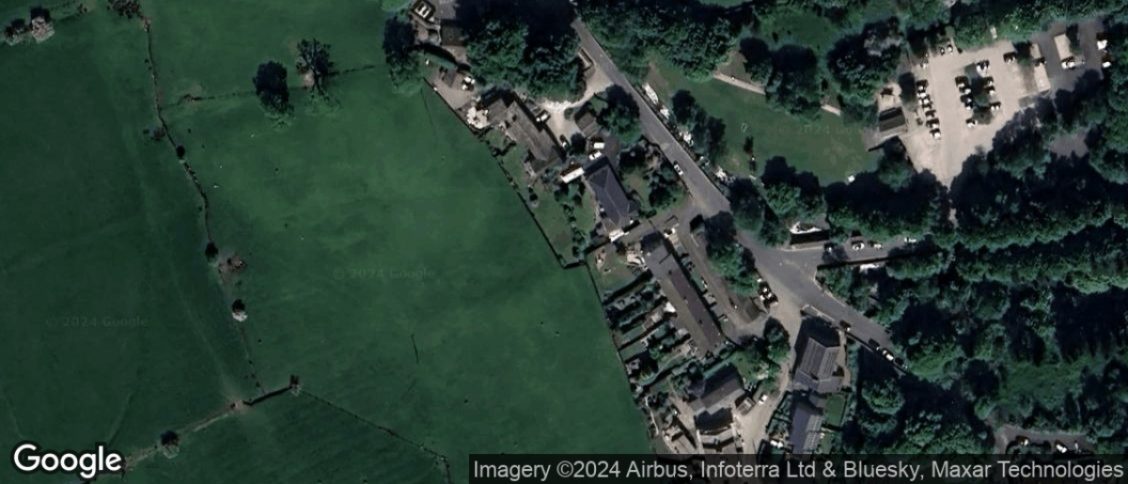
Barley, tucked away in the North Hertfordshire countryside near Royston, offers a distinct slice of rural British life that won’t suit everyone. This small village, with its population of just a few hundred residents, delivers quintessential countryside charm but comes with the inevitable limitations of remote living. The following assessment dives into the realities of Barley life – from its remarkably low crime rates and limited schooling options to its eye-watering property prices and sparse amenities. What Barley lacks in convenience, it makes up for in character, with The Fox & Hounds pub serving as the social hub amid picturesque surroundings that include ancient woodland and rolling fields.
Is Barley safe?
Safety in Barley isn’t just a marketing claim – it’s one of the village’s genuine selling points. Crime rates sit substantially below the regional average, making it one of the safest spots in Hertfordshire. The occasional incidents tend to cluster around Picknage Road, where some anti-social behaviour has been reported, but even this is minimal compared to nearby towns.
Local residents often leave doors unlocked – a practice that would raise eyebrows in urban settings but speaks volumes about the community trust here. The village’s Neighbourhood Watch scheme operates more as a social club than a necessity, with members more likely to discuss local planning applications than criminal activity.
The isolated nature of Barley contributes significantly to its safety profile. With limited through-traffic and everyone knowing everyone else’s business (for better or worse), strangers stand out immediately – a natural deterrent that urban security systems try to replicate with technology.
Is Barley a nice place to live for families?
Family life in Barley presents a mixed picture, with idyllic elements counterbalanced by practical challenges.
Schools
Education represents perhaps the biggest hurdle for Barley families. The village itself has no schools, meaning children must travel to neighbouring areas. While there are several outstanding primary schools in the wider region, none are within Barley itself. Families typically send their children to Reed First School or Barkway VA First School, both requiring a drive.
For secondary education, the situation becomes more complicated, with most children travelling to Royston or even Cambridge. This daily school run becomes an unavoidable part of family life in Barley – something to factor into any moving decision.
Family Activities
What Barley lacks in formal playgrounds and activity centres, it makes up for in natural play spaces. Children here grow up climbing trees rather than climbing frames, with the surrounding countryside serving as their playground. The village green hosts impromptu football matches and the annual Barley Fest brings the community together with activities for all ages.
The demographic skews older, however, with fewer young families than in nearby towns. Parents with teenagers might find the isolation challenging, as public transport limitations mean constant taxiing to friends’ houses and activities in Royston or Cambridge.
Is Barley expensive?
There’s no sugar-coating it – Barley commands premium prices. With an average property price hovering around £830,000 last year, it sits firmly in the upper echelons of Hertfordshire housing costs. Detached properties, which dominate the local market, typically fetch around £905,000, reflecting their substantial size and character features.
The few terraced properties offer a slightly more accessible entry point at around £375,000, but these rarely come to market. The housing stock primarily consists of period properties, many with protected status, meaning renovation costs can quickly spiral.
Rental options are practically non-existent, with virtually no rental market to speak of compared to regional averages. When properties do become available to rent, they’re typically snapped up through word-of-mouth before hitting official listings.
For those seeking more affordable alternatives while maintaining rural charm, nearby Barkway offers slightly lower prices, while Royston provides significantly more housing options across various price points, albeit with a more urban feel.
What transport links are there?
Transport represents another significant challenge for Barley residents. The village operates on the assumption that everyone owns a car – and preferably one with decent ground clearance for the occasional flooded country lane.
Public transport is minimal. The 331 bus service connecting to Royston runs just a few times daily, with reduced weekend service. The nearest train station is in Royston (about 5 miles away), offering connections to Cambridge (20 minutes) and London King’s Cross (approximately 1 hour).
Road access is reasonable, with the A10 nearby providing links to Cambridge and London, while the A505 connects to Hitchin and Luton. However, the immediate roads around Barley are narrow country lanes that can become challenging in winter weather.
Local commuters have developed informal carpooling arrangements, with the village WhatsApp group frequently buzzing with lift offers and requests. This community spirit helps mitigate the transport limitations but doesn’t eliminate them.
What amenities are available in Barley?
Barley’s amenities are limited but cherished. The village Londis serves as a lifeline, offering essential groceries and doubling as the local post office. It’s the kind of place where the shopkeeper knows your name and your usual purchases.
The Fox & Hounds pub stands as the social heart of the village, serving decent food and hosting events throughout the year. The Chequers at Barkway provides a quality alternative just a short drive away.
Healthcare facilities require travel, with GP services available in nearby villages and Royston. The nearest major hospital is Addenbrooke’s in Cambridge. A small gym operates on the outskirts of the village, popular with locals despite its modest size.
What Barley lacks in commercial offerings, it compensates for with community initiatives. The village hall hosts everything from yoga classes to amateur dramatics, while seasonal events like the Harvest Festival bring residents together in time-honoured traditions.
What is the surrounding outdoor area like?
The countryside surrounding Barley represents its greatest asset. The village sits on the edge of the Chilterns Area of Outstanding Natural Beauty, with the ancient Icknield Way passing nearby. Footpaths radiate from the village in all directions, offering walks ranging from gentle strolls to challenging hikes.
Nearby Therfield Heath provides expansive views and rare chalk grassland habitats, while Wandlebury Country Park offers more structured outdoor recreation about 15 minutes’ drive away. The village pond, complete with ducks that seem to have an uncanny knowledge of which houses keep bread scraps, adds charm to the central area.
Seasonal changes transform the landscape dramatically – from snowdrop carpets in late winter to spectacular autumn colours in the surrounding woodlands. This connection to nature’s rhythms represents a lifestyle choice as much as a location decision.
So, what’s the verdict?
Barley offers an authentic rural lifestyle that will enchant some and frustrate others. Its exceptional safety record, stunning natural surroundings, and strong community spirit create a quality of life that many residents wouldn’t trade for any urban convenience.
However, the practical challenges are real – limited transport options, minimal local amenities, and eye-watering property prices create significant barriers to entry. Families must contend with school journeys and a lack of organised activities for children, while anyone without independent transport will feel isolated.
Barley works best for those with established careers, comfortable finances, and a genuine desire for countryside living. It rewards those willing to embrace its rhythms and limitations rather than fighting against them.
What are the alternatives?
Those drawn to Barley’s charm but concerned about its limitations might consider several alternatives. Barkway offers similar village character with slightly better amenities, including a primary school. Royston provides a small-town compromise with significantly better services and transport links while maintaining easy access to countryside.
For those prioritising rural beauty with better connectivity, villages closer to Cambridge like Foxton or Shepreth offer train stations and more frequent bus services. Meanwhile, Baldock combines historic character with better amenities and transport links, though at the cost of more traffic and less rural seclusion.
The decision ultimately hinges on personal priorities – Barley excels in providing authentic village life, but demands compromises that not everyone will find sustainable long-term.


What's your experience of Barley?
Let us know your views of Barley. Alternatively, if you'd like to suggest an amend to our article, please get in touch.