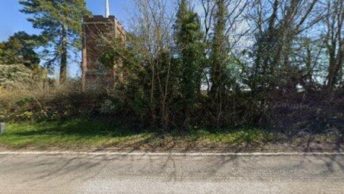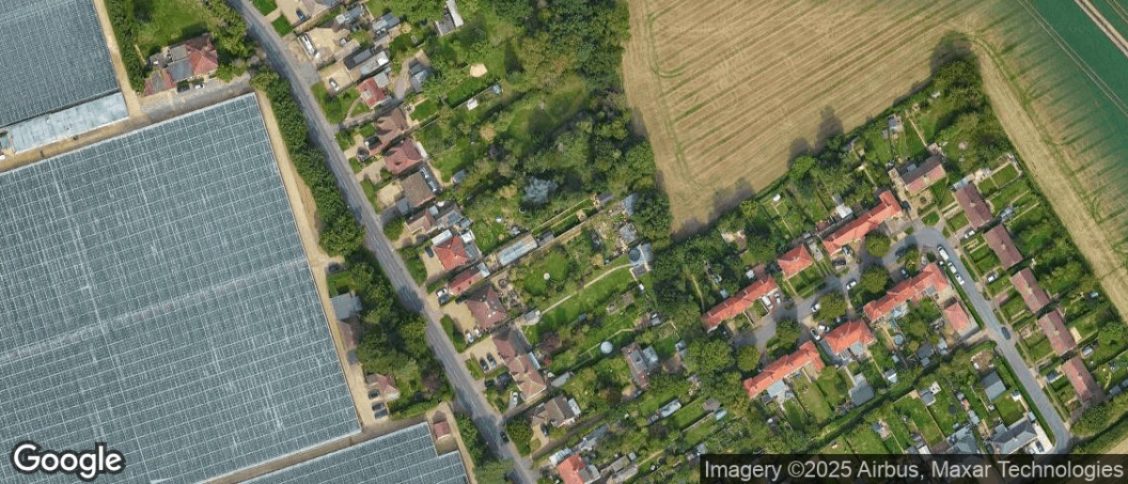
Smallford sits on the eastern edge of St Albans in Hertfordshire, a hamlet that many outside the area might never have heard of. Positioned along the busy Hatfield Road, it’s effectively a small settlement that’s been swallowed by St Albans’ suburban sprawl. Locals often describe it as “neither here nor there” – not quite St Albans proper, not quite Hatfield, but somewhere in the liminal space between the two.
With sky-high property prices and limited amenities, Smallford presents a curious proposition for potential residents. It’s quiet, relatively safe, and offers decent transport connections, but lacks the vibrancy and facilities of neighbouring St Albans. For those considering a move to this curious little pocket of Hertfordshire, here’s the unvarnished truth about what life in Smallford is really like.
Is Smallford safe?
Smallford generally maintains a good safety record compared to many parts of St Albans and nearby Hatfield. The hamlet itself sees minimal crime, though incidents do occur along the busy Hatfield Road corridor that runs through it. The nearby University of Hertfordshire campus areas see higher crime rates, particularly around College Lane and campus buildings, but these rarely spill over into residential Smallford.
Local residents often comment that they feel comfortable walking around even after dark, though the lack of street lighting on some of the rural roads can make evening strolls less appealing. The Smallford community maintains an active neighbourhood watch scheme, with residents keeping an eye out for unusual activity through WhatsApp groups – a testament to the close-knit nature of this small settlement.
One long-term resident, speaking to the Herts Advertiser last year, noted: “In twenty years here, I’ve never had so much as a garden gnome go missing. It’s the kind of place where people still leave their back doors unlocked, though I wouldn’t necessarily recommend that.”
Is Smallford a nice place to live for families?
Smallford presents a mixed picture for families. On one hand, it offers a semi-rural setting with relatively safe streets and easy access to countryside walks. On the other, facilities specifically for children are somewhat limited within Smallford itself.
Parks and Recreation
Smallford isn’t blessed with dedicated children’s play areas. Families typically travel to nearby Highfield Park or into St Albans proper to access better playground facilities. The hamlet does benefit from pleasant walking routes along the Alban Way (the old railway line), which provides traffic-free cycling opportunities for families – ideal for teaching little ones to ride bikes.
Schools
School options require some travel from Smallford. Colney Heath Junior Mixed Infant and Nursery School is the closest primary, rated ‘Good’ by Ofsted, but it’s not within easy walking distance for most Smallford residents. The outstanding Nicholas Breakspear Catholic School is the nearest secondary, though being a faith school means places can be competitive.
Many families in Smallford find themselves in the frustrating position of being just outside the catchment areas for the most sought-after St Albans schools. Parents often report having to drive children to schools rather than walking, which adds to the morning rush.
Is Smallford expensive?
There’s no sugar-coating it: Smallford is eye-wateringly expensive. With an average property price of £1,070,000 over the last year, it sits comfortably in the premium bracket of Hertfordshire housing. The hamlet features a strange mix of substantial detached properties on large plots and more modest homes along Hatfield Road.
The rental market in Smallford is practically non-existent, with very few properties coming up for let. When rentals do appear, they command premium prices due to their scarcity and the area’s desirability.
For better value, prospective residents might consider nearby Tyttenhanger or parts of Hatfield, where similar semi-rural settings can be found with significantly lower price tags. The “Smallford premium” seems to come from its St Albans postcode and convenient position rather than any particular charm or amenities in the hamlet itself.
What transport links are there?
Transport is perhaps Smallford’s strongest selling point. The hamlet straddles the A1057 Hatfield Road, providing direct road access to both St Albans and Hatfield. The 601 bus route runs along this road with frequent services connecting to St Albans, Hatfield and beyond.
For rail commuters, St Albans City station is about 10 minutes’ drive away, offering fast Thameslink services to London (23 minutes to St Pancras) and northbound to Luton and Bedford. Hatfield station provides an alternative with Great Northern services to London King’s Cross and Cambridge.
The aforementioned Alban Way provides a traffic-free cycling route into St Albans, popular with commuters during summer months, though less appealing in winter due to limited lighting. The A1(M) and M25 motorways are easily accessible, making Smallford surprisingly well-connected for such a small settlement.
What amenities are available in Smallford?
Smallford’s amenities are limited, to put it kindly. The hamlet essentially functions as a residential satellite of St Albans, with residents needing to travel for most everyday needs.
Food options are sparse, with just a couple of cafés including St Albans Cafe and the Pausa Cafe inside the Dunelm store on Hatfield Road. For proper restaurants, pubs or supermarkets, residents head into St Albans or Hatfield.
The hamlet does boast several veterinary practices – oddly making it better for pet healthcare than human healthcare – and there are a couple of yoga studios and a hair salon. The Dunelm and Notcutts Garden Centre provide the only significant retail offerings.
Healthcare facilities are non-existent in Smallford itself, with residents registering with GP practices in either St Albans or Hatfield. The nearest hospital is the QEII in Welwyn Garden City for minor injuries, while major emergencies go to Watford General.
What is the surrounding outdoor area like?
Despite its limitations in amenities, Smallford scores well for outdoor enthusiasts. The hamlet is surrounded by Green Belt land, with footpaths crisscrossing the fields toward Colney Heath, Tyttenhanger and beyond.
The Alban Way provides a pleasant linear park for walking, running and cycling, while Tyttenhanger Gravel Pits to the north have been transformed into a nature reserve popular with birdwatchers. Highfield Park is within easy reach, offering more manicured green space.
The countryside around Smallford features a patchwork of arable fields, small woodlands and hedgerows typical of Hertfordshire’s landscape. It’s not spectacular scenery by any means, but offers pleasant walking territory right on residents’ doorsteps.
So, what’s the verdict?
Smallford is a curious proposition – exceptionally expensive for what is essentially a hamlet with minimal facilities, yet with enough positives to maintain its appeal to a certain demographic. It works well for those who want semi-rural living with excellent transport connections, particularly professionals who need to commute to London but want to escape the bustle of larger towns.
For families, the lack of immediate amenities and schools presents challenges, though these aren’t insurmountable with a car. The safety and community aspects are definite positives, but the astronomical property prices make it inaccessible to many.
In essence, Smallford offers a compromise: pay St Albans prices without getting quite the same level of facilities, but benefit from a quieter, more rural setting while maintaining good connections. Whether that trade-off makes sense depends entirely on individual priorities.
What are the alternatives?
Those drawn to Smallford might also consider these nearby alternatives:
Colney Heath offers a more distinct village feel with a proper centre, pub and primary school, though still with limited amenities. Property prices tend to be somewhat lower than Smallford.
London Colney provides significantly more facilities including supermarkets and retail parks, with lower property prices, though it lacks Smallford’s semi-rural character.
Parts of Hatfield, particularly Old Hatfield, offer historic character and better amenities while being more affordable than St Albans’ satellites.
For those with deeper pockets who want the rural-urban balance Smallford offers but with more facilities, the villages of Wheathampstead or Harpenden to the north provide more comprehensive amenities with similar countryside access, albeit with even higher property prices.