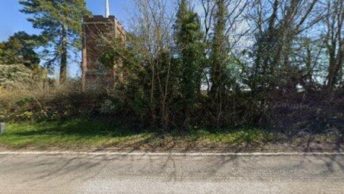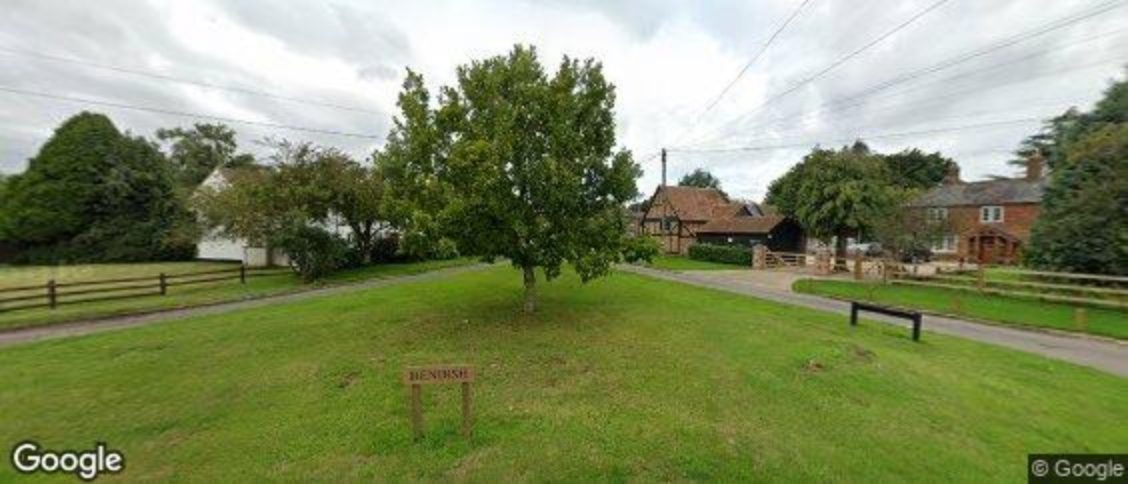
Bendish is a tiny hamlet tucked away in rural Hertfordshire, just a few miles from Hitchin. This microscopic settlement offers a genuine escape from modern life, with barely more than a handful of houses arranged along a single lane. For those seeking absolute tranquility and rural isolation, Bendish delivers in spades. However, prospective residents should understand they’re signing up for proper countryside living – meaning limited amenities, patchy public transport, and a serious commitment to car ownership.
The settlement sits within the parish of St Paul’s Walden, surrounded by rolling farmland and woodland. It’s the sort of place where everyone knows everyone (which some find charming and others claustrophobic). Current residents often describe it as “properly rural” – which is either Bendish’s greatest strength or its fatal flaw, depending entirely on what you’re looking for.
Is Bendish safe?
Crime is virtually non-existent in Bendish itself – unsurprising given its tiny population and remote location. When incidents do occur, they tend to be minor and isolated. The nearest recorded crimes happen in surrounding areas like Orchard Way, where anti-social behaviour occasionally crops up, and the odd incident around Heath Road and Chapel Road.
Local farmers occasionally report equipment theft or trespassing – the countryside’s perennial issues – but daily life in Bendish proceeds without the security concerns common in larger settlements. Residents often leave doors unlocked and keys in cars – practices that would be unthinkable in nearby towns.
One resident recently told the parish newsletter: “I moved from London five years ago and still can’t get used to how safe it feels. The biggest threat to my wellbeing is probably twisting my ankle on a pothole during my evening walk.”
Is Bendish a nice place to live for families?
Bendish presents a distinctive proposition for families. Children here grow up with extraordinary freedom to roam fields and woodlands – a childhood increasingly rare in modern Britain. However, this rural idyll comes with significant practical challenges.
Schools and Education
There are no schools in Bendish itself, meaning children must travel to neighbouring villages and towns. Breachwood Green Junior Mixed and Infant School and St Paul’s Walden Primary School are the closest primary options, both rated ‘Good’ by Ofsted. Preston Primary School is another well-regarded option, though catchment areas can be competitive.
For secondary education, families must look further afield to Hitchin or Luton, requiring significant daily commuting for teenagers. School buses operate but schedules can be limited, often forcing parents into twice-daily school runs.
Family Amenities
Bendish has no playground or organised children’s activities. The nearest structured play facilities are in surrounding villages. What it offers instead is boundless natural space – fields, woods, and footpaths where children can build dens and explore. Families here tend to be self-sufficient in creating entertainment, with impromptu cricket matches on the green and seasonal bonfire parties.
One local mother commented: “My kids have learned to make their own fun. They know every tree worth climbing within two miles. It’s not for everyone, but they’ve developed independence you rarely see in town children.”
Is Bendish expensive?
Property in Bendish commands premium prices, with an overall average of £545,000 last year. Detached properties dominate the market, typically selling for around £690,000, while the few terraced cottages fetch approximately £265,000. These prices reflect the “rural premium” – buyers pay significantly more than they would for equivalent properties in nearby towns like Luton.
The housing stock is extremely limited, with perhaps 30-40 dwellings in total, meaning properties rarely come to market. When they do, competition is fierce, particularly for character properties with land attached. The southern end of the hamlet, with its larger plots and better views, typically commands the highest prices.
Those seeking more affordable options might consider nearby Whitwell or the outskirts of Hitchin, where similar countryside access comes with better amenities and transport links at lower price points.
What transport links are there?
Transport is Bendish’s Achilles heel. There is no meaningful public transport serving the hamlet directly. The nearest train stations are at Hitchin (approximately 15 minutes’ drive) or Luton (around 20 minutes), offering connections to London King’s Cross or St Pancras in 30-45 minutes.
Bus services are virtually non-existent, with the nearest stops requiring a substantial walk. Residents universally rely on private vehicles – most households maintain multiple cars out of necessity rather than choice.
Road access comes via narrow country lanes, which can become challenging in winter weather or when encountering agricultural vehicles. The A1(M) is accessible within 15 minutes’ drive, providing good north-south connectivity, while the M1 lies slightly further west.
What amenities are available in Bendish?
Bluntly put, there are no amenities in Bendish itself. No shop, no pub, no post office, no doctor’s surgery – not even a village hall. The hamlet represents rural living in its purest, most uncompromising form.
For daily essentials, residents travel to St Paul’s Walden, Whitwell or Breachwood Green. More substantial shopping requires trips to Hitchin or further afield. Healthcare services are similarly distant, with GP practices in surrounding villages and the nearest hospitals in Stevenage and Luton.
This absence of amenities is either Bendish’s fatal flaw or its saving grace, depending entirely on perspective. Those seeking peace, quiet and separation from modern life cherish the lack of development, while others find the constant need to travel for basics exhausting.
What is the surrounding outdoor area like?
The countryside around Bendish represents quintessential rural Hertfordshire at its finest. A network of public footpaths and bridleways crisscross the surrounding farmland and woodland, offering endless walking opportunities. The ancient Icknield Way passes nearby, providing historic long-distance walking routes.
Nearby Hitch Wood offers spectacular bluebell displays in spring, while Knebworth House and Park provide more formal outdoor recreation within easy reach. The Chiltern Hills Area of Outstanding Natural Beauty lies just to the west, offering more dramatic landscapes for weekend exploration.
Local wildlife includes muntjac and roe deer, red kites, buzzards, and occasional badgers and foxes. The changing agricultural landscape through the seasons – from spring ploughing to summer crops and autumn harvest – provides a constant connection to the land that many residents deeply value.
So, what’s the verdict?
Bendish offers an increasingly rare proposition: genuine rural seclusion within commutable distance of London. For those who prioritize peace, privacy, and connection to the countryside above convenience, it provides an authentic escape from modern life’s pace and pressures.
However, prospective residents must be clear-eyed about the compromises: no amenities, poor transport links, limited housing stock, and premium prices. Daily life requires significantly more planning and car travel than in more developed locations. Families with children need to consider the logistics of education and social activities carefully.
The hamlet works best for those with established work-from-home arrangements, sufficient financial resources to overcome its practical challenges, and a genuine desire for rural community life. It’s not a place for those seeking convenience or extensive local facilities.
What are the alternatives?
Those drawn to Bendish but concerned about its limitations might consider several alternatives. Whitwell offers similar countryside charm but with a village shop, pub and marginally better transport. Preston provides a comparable rural feel with a strong community focus and its own primary school.
For better amenities while maintaining countryside access, the villages around Hitchin such as Gosmore or Charlton offer a more balanced proposition. Those requiring stronger transport links might look to villages near Hitchin or Harpenden stations, where direct trains to London come with semi-rural living.
Ultimately, Bendish represents rural living in one of its purest forms. Its alternatives inevitably involve compromise – either accepting more development and neighbors in exchange for convenience, or moving further from commuter links to find comparable seclusion.