Welwyn Garden City stands as one of Britain’s original planned communities, designed in the 1920s to combine the benefits of town and country living. Located in Hertfordshire, roughly 20 miles from London, this garden city offers tree-lined boulevards, generous green spaces, and a distinctive neo-Georgian town centre. The planned nature of the city gives it an orderly feel that some residents love, while others find a bit too neat and tidy. It’s frequently lauded for its relatively low crime rates and good transport links, but criticised for lacking the vibrancy of more organically developed towns. Housing can be pricey compared to some nearby areas, and the town centre has suffered the same retail challenges as many UK high streets.
Is Welwyn Garden City safe?
Safety is one of Welwyn Garden City’s strongest selling points. Locals often remark that they feel comfortable walking around most areas even after dark, which isn’t something you can say for every town in Hertfordshire.
Crime statistics back up this local sentiment, with rates significantly lower than the regional average. While no place is entirely crime-free, WGC (as locals call it) performs particularly well regarding residential crime like burglaries, which are substantially below the Hertfordshire average.
Most reported incidents are concentrated around commercial areas, with shoplifting being the dominant issue around the Howard Centre and other retail zones. The town centre area around Howardsgate sees some anti-social behaviour, particularly on weekend evenings, but this is typically minor compared to other towns of similar size.
Is Welwyn Garden City a nice place to live for families?
The garden city design philosophy that underpins WGC makes it naturally family-friendly. Wide avenues, abundant green spaces, and a general sense of spaciousness create an environment where children can safely play and grow.
Family Activities and Green Spaces
Families are spoilt for choice with outdoor spaces. Stanborough Park with its boating lakes and adventure playground is a weekend favourite, while the smaller playgrounds dotted throughout residential areas mean there’s always somewhere nearby for a quick play. The town hosts seasonal family events like the summer carnival and Christmas lights switch-on that give children a sense of community.
Indoor activities haven’t been forgotten either. The local swimming pool offers family sessions, and there are regular children’s workshops at the library and arts venues. School holiday activities tend to book up quickly though, so planning ahead is essential.
Schools and Education
Education is a significant draw for families moving to Welwyn Garden City. While none of the schools currently hold the coveted ‘Outstanding’ Ofsted rating, many are solidly rated as ‘Good’, providing reliable education options.
Primary schools like Templewood, Applecroft, and Holwell all maintain good standards, though parents should be aware that catchment areas can be competitive. The more sought-after schools often have waiting lists, and living close to your preferred school doesn’t always guarantee a place.
For secondary education, both Stanborough School and Monk’s Walk School offer good comprehensive education. They’ve built solid reputations locally, with decent GCSE results and sixth form options. However, as with primary schools, catchment areas can be tight, and families sometimes move specifically to secure places at these schools.
Is Welwyn Garden City expensive?
There’s no sugar-coating it – Welwyn Garden City commands premium prices compared to some Hertfordshire towns, largely due to its garden city design, relative safety, and convenient London commute.
The property market averages around £445,000, which puts it above the national average but still more affordable than St Albans or Harpenden. Terraced properties, which make up a significant portion of sales, typically go for about £435,000, while flats offer a more accessible entry point at around £265,000. The handsome 1930s semi-detached houses in the older parts of town fetch considerably more, with average prices around £575,000.
The west side of town, particularly areas like Handside with its original garden city houses, tends to be the most expensive. Meanwhile, Panshanger and areas to the east offer slightly better value. For those priced out, nearby Hatfield offers significantly lower property prices, though without the garden city charm and with a very different character.
The rental market is tight, with availability well below the regional average. One-bedroom apartments typically command around £1,150 per month, while family-sized three-bedroom terraced houses go for approximately £1,800. The limited supply means properties are often snapped up quickly, particularly those close to the train station.
What transport links are there?
Transport is one of WGC’s trump cards. The railway station sits on the Great Northern line, offering direct services to London King’s Cross in just 30 minutes on the fast train. This makes it a feasible commuter town while being far enough from London to maintain its own identity. Trains also run north to Cambridge and Peterborough, though less frequently.
Bus services cover most residential areas, connecting to the town centre and station, though evening and Sunday services can be limited. The 301 bus links WGC to St Albans and Hemel Hempstead, while others connect to Hatfield, Stevenage, and Hertford.
Road connections are excellent, with the A1(M) running along the town’s western edge, providing quick access to the national motorway network. The M25 is just 10 minutes south, opening up connections across the South East. However, rush hour congestion around the A1(M) junctions can add significant time to journeys.
Cycling infrastructure has improved in recent years, with dedicated paths along some major routes, though it’s still not comprehensive enough for cycling to be the primary transport mode for most residents.
What amenities are available in Welwyn Garden City?
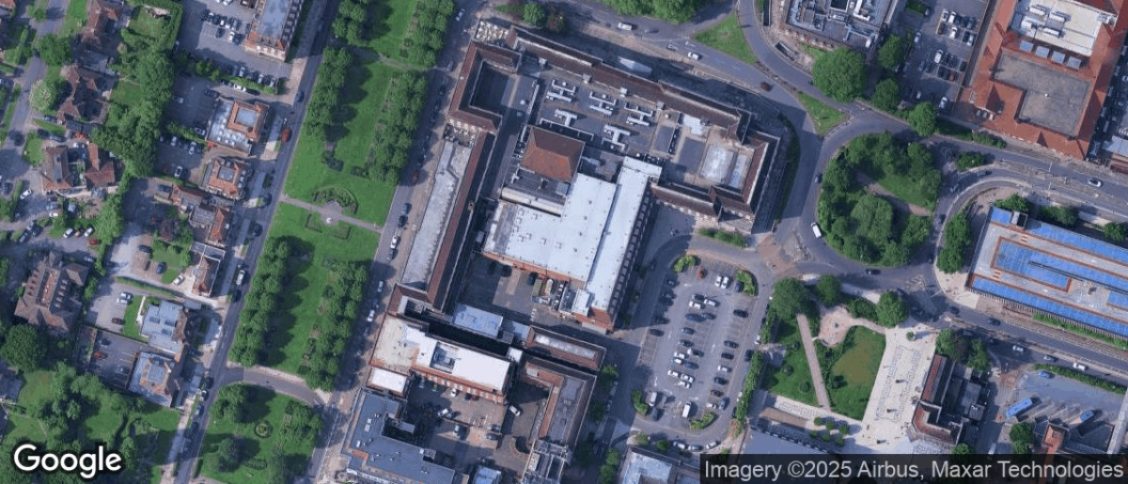
The Howard Centre forms the commercial heart of WGC, housing most high street chains alongside the railway station. It’s functional rather than exciting, with staples like Boots, WHSmith, and M&S. The surrounding streets offer a few independent shops, but the retail offering lacks the diversity found in larger towns.
For groceries, there’s a large Sainsbury’s and Waitrose in the town centre, with Tesco Express for convenience and ALDI for budget shopping. The twice-weekly market adds some variety, particularly for fresh produce.
The dining scene has improved markedly in recent years. Chain offerings like McDonald’s and KFC are supplemented by more interesting options such as Giggling Squid for Thai cuisine and Megan’s for brunch and dinner. Dim Sum Tea provides decent Chinese food, though locals often head to St Albans or London for special occasions.
Healthcare is well-covered with several GP practices, multiple pharmacies, and the QEII Hospital providing urgent care and outpatient services (though major emergencies go to Lister Hospital in Stevenage). Fitness enthusiasts have several gyms to choose from, including a council-run facility with swimming pool.
Cultural offerings are somewhat limited – there’s no cinema or major theatre, though the Barn Theatre puts on amateur productions, and the Campus West in nearby Welwyn offers films and live shows. The library hosts regular events and reading groups.
What is the surrounding outdoor area like?
True to its garden city principles, WGC excels in green spaces. Stanborough Park is the crown jewel, with its 126 acres encompassing two lakes, water sports facilities, and extensive walking paths. The formal gardens at the town centre provide an elegant centrepiece, while Sherrardspark Wood offers ancient woodland walks just minutes from residential areas.
The River Lea runs to the north of the town, providing pleasant riverside walks, while the wider countryside of Hertfordshire is easily accessible. The Ayot Greenway, a former railway line, offers a traffic-free cycling and walking route to Wheathampstead.
Golf enthusiasts are well served with several courses in and around the town, including the prestigious Welwyn Garden City Golf Club. Tennis courts, bowling greens, and playing fields cater to various sporting interests.
So, what’s the verdict?
Welwyn Garden City offers a carefully balanced living experience that will appeal to many, particularly families and commuters seeking a safer, greener alternative to London living. Its planned nature gives it a distinctive character and ensures good amenities and green spaces, while the excellent transport links make it practical for working across the South East.
The downsides are real, though. Property prices stretch affordability for many, and the rental market is tight. The town centre lacks the vibrancy and independent scene found in more organically developed towns, and cultural offerings are somewhat limited. Some residents describe it as having a slightly sterile feel compared to more characterful historic towns nearby.
For those who value orderliness, safety, and convenience over buzz and nightlife, WGC hits many of the right notes. It’s particularly suitable for families with school-age children and professionals who need to commute to London but want to escape its intensity and cost.
What are the alternatives?
Those priced out of WGC might consider Hatfield, which offers significantly lower property prices but lacks the garden city design and has a more student-oriented feel due to the university. St Albans provides more character and a livelier independent scene, but at even higher prices than WGC.
Hertford offers a more traditional market town experience with its castle and river setting, while Stevenage provides better value housing but comes with higher crime rates. For a similar garden city ethos at slightly lower prices, Letchworth Garden City (the world’s first garden city) is worth exploring, though its transport links to London aren’t quite as convenient.
Ultimately, WGC occupies a sweet spot in Hertfordshire’s property landscape – neither the most expensive nor the cheapest, neither the most exciting nor the dullest, but offering a consistently pleasant, if somewhat predictable, quality of life.