Cheshunt sits in southern Hertfordshire, forming part of the Broxbourne borough and hovering on the edge of London’s sprawl. Once a quiet market garden town, it’s transformed into a commuter hub that maintains traces of its rural past while embracing modern development. This article examines Cheshunt’s safety profile, family-friendliness, affordability, transport links, amenities, and surrounding green spaces to determine whether this Hertfordshire locale deserves your consideration as your next home.
Is Cheshunt safe?
Cheshunt enjoys significantly lower crime rates than the regional average, a fact that residents often mention when discussing their hometown. The town centre remains relatively trouble-free, though the area around the retail parks occasionally sees incidents of shoplifting, particularly at the large supermarkets.
Local police maintain a visible presence, especially during weekends and market days. Cheshunt’s residential areas tend to be peaceful, with neighbourhood watch schemes active in many streets. The Goffs Lane and Bury Green areas have particularly good reputations for safety, while parts closer to Waltham Cross occasionally experience more anti-social behaviour.
A local resident recently told the Hertfordshire Mercury: “I’ve lived here for fifteen years and never felt unsafe walking home, even in the evenings. That wasn’t the case when I lived in North London.”
Is Cheshunt a nice place to live for families?
Cheshunt has become increasingly popular with families fleeing London’s property prices but wanting to maintain good connections to the capital. The area offers a decent selection of parks and playgrounds, making it suitable for households with children of all ages.
Parks and Recreation
Grundy Park stands as the jewel in Cheshunt’s crown, offering extensive green space, a decent play area, and sports facilities including the Laura Trott Leisure Centre (named after the Olympic cycling champion who grew up locally). Whit Hern Park provides another green lung for local families, while smaller play spaces like Penton Drive Playground offer convenient spots for quick after-school energy burns.
The Lee Valley Park forms Cheshunt’s eastern boundary, providing endless opportunities for cycling, walking and water sports at the White Water Centre – a legacy of the 2012 Olympics.
Schools
Schools in Cheshunt generally perform well, though none currently hold the coveted ‘Outstanding’ Ofsted rating. Burleigh Primary and Holy Trinity Church of England Primary both maintain ‘Good’ ratings and have solid local reputations. For secondary education, Goffs-Churchgate Academy has improved significantly in recent years, achieving a ‘Good’ rating, while Haileybury Turnford also performs adequately.
Competition for school places can be fierce, particularly for the more popular primaries, and catchment areas are tight. Families often move specifically to streets within catchment of preferred schools, which has influenced property prices in certain pockets of town.
Is Cheshunt expensive?
By Hertfordshire standards, Cheshunt offers relatively good value, though prices have climbed steadily over the past decade. The average property price hovers around £430,000, with terraced houses changing hands for approximately £400,000 and semi-detached homes commanding around £485,000.
The Churchgate area tends to command premium prices due to its period properties and proximity to green spaces, while the Turner’s Hill estate offers more affordable family homes. First-time buyers often target flats, which average around £220,000, significantly less than equivalent properties in neighbouring Enfield or Potters Bar.
The rental market in Cheshunt is somewhat limited compared to the regional average, creating competition for available properties. Two-bedroom apartments typically cost around £1,550 per month, while three-bedroom semi-detached houses fetch approximately £2,050 monthly.
Nearby Waltham Cross offers slightly lower property prices but doesn’t enjoy quite the same reputation, while heading north to Hoddesdon might secure more space for your money but with slightly longer commutes.
What transport links are there?
Cheshunt’s transport connections represent one of its strongest selling points. The railway station sits on the London Overground line, with services reaching Liverpool Street in roughly 25 minutes. Greater Anglia trains also serve the station, providing quick access to Tottenham Hale for Victoria Line connections.
The town sits close to both the A10 and M25, making car travel straightforward, though rush hour congestion can be problematic, particularly around the Brookfield retail park junction. The A10 provides a direct route into North London, while the M25’s proximity connects residents to the wider motorway network.
Bus services are reasonable, with routes connecting to Waltham Cross, Enfield, Harlow and Hertford. The 310 and 410 are particularly useful for local journeys, while the 279 provides a direct (if lengthy) route into London.
Cycling infrastructure has improved, with dedicated paths connecting to the Lee Valley network, making pedal-powered commuting viable for the energetic.
What amenities are available in Cheshunt?
Cheshunt’s high street has suffered the same fate as many across Britain, with some empty units, though it maintains a functional mix of independent and chain retailers. The real retail action happens at Brookfield Shopping Park, where major brands like Next, Marks & Spencer and TK Maxx have large stores.
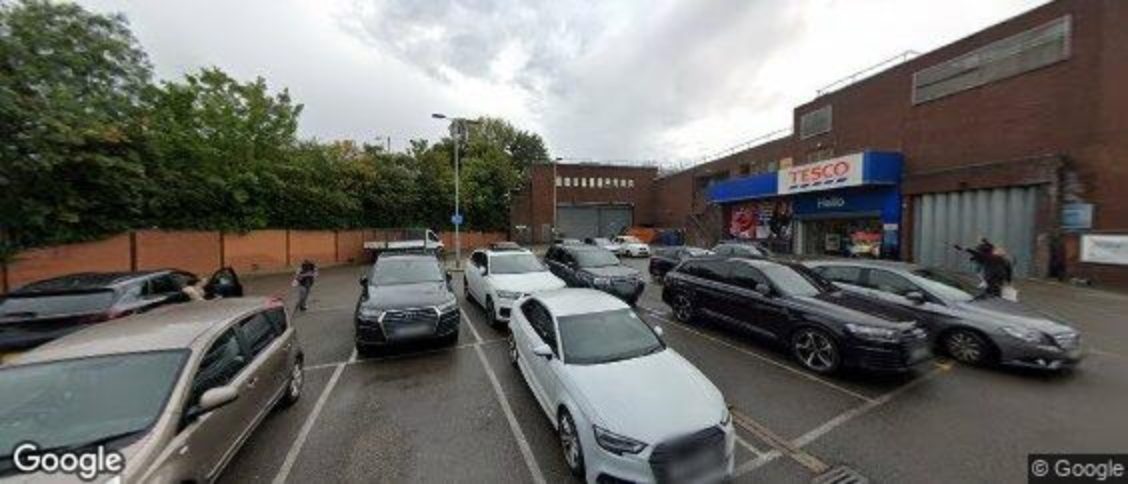
For groceries, residents are well-served by a large Tesco Superstore, M&S Simply Food, and several convenience options including Tesco Express and Co-op. Independent butchers and bakeries maintain a presence in the Old Pond area, providing alternatives to supermarket shopping.
The dining scene isn’t going to trouble Michelin inspectors but offers decent variety. Reyna Brasserie serves up respectable Mediterranean fare, while Lai La Kitchen provides popular Turkish dishes. Chain options include Pizza Hut and Wimpy (one of the few remaining branches of this once-ubiquitous burger chain).
Healthcare provision centres around the Cheshunt Community Hospital, though it offers limited services. For major treatment, residents typically travel to the Princess Alexandra in Harlow or North Middlesex Hospital. GP surgeries are reasonably well-distributed, and several pharmacies serve the community.
Fitness enthusiasts can choose between several gyms, including the council-run Laura Trott Leisure Centre with its swimming pool and the more upmarket David Lloyd club nearby.
What is the surrounding outdoor area like?
Cheshunt’s eastern flank opens onto the magnificent Lee Valley Regional Park, a 10,000-acre linear park following the River Lea from Hertfordshire through Essex and into London. This provides endless walking routes, nature reserves, and recreational facilities including the White Water Centre.
Within the town itself, Grundy Park offers substantial green space with sports pitches and woodland areas. Whit Hern Park provides another pleasant green space, while smaller parks like Penton Drive Open Space and Moxom Avenue Open Space create green lungs within residential areas.
The New River, despite its name a 400-year-old aqueduct, runs through parts of Cheshunt, creating pleasant walking routes and fishing spots. For more serious countryside rambles, the Hertfordshire Way passes nearby, and the rolling countryside of rural Hertfordshire lies just a short drive to the north.
So, what’s the verdict?
Cheshunt offers a pragmatic compromise between London accessibility and Hertfordshire living. It’s not the most picturesque town in the county, nor does it boast the vibrant cultural scene of nearby London, but it delivers solid amenities, good transport links, and relative affordability in an increasingly expensive region.
For families, the decent schools and abundance of green spaces provide a good environment for raising children, while commuters benefit from quick connections to the capital. The town lacks the chocolate-box charm of rural Hertfordshire villages or the urban buzz of London, but for many, this middle-ground position is precisely its appeal.
If you’re seeking an affordable Hertfordshire base with good connections and don’t mind a somewhat functional rather than characterful town centre, Cheshunt deserves serious consideration.
What are the alternatives?
If Cheshunt doesn’t quite tick all your boxes, several nearby alternatives might appeal. Waltham Cross offers slightly lower property prices but with similar transport links, though its town centre has struggled more in recent years. Hoddesdon, to the north, provides a more traditional market town feel with a better-preserved high street, albeit with slightly longer commutes.
For those prioritising schools, nearby Broxbourne has better educational options but commands higher property prices as a result. If budget allows, Cuffley offers a more village-like atmosphere while maintaining good rail connections, though expect to pay significantly more for the privilege.
Heading south into London’s borders, Enfield provides more urban amenities and dining options but comes with typical London issues of congestion and higher crime rates. The choice ultimately depends on your priorities – Cheshunt’s middle-ground position won’t suit everyone, but for many, it hits the sweet spot between affordability, accessibility and liveability.