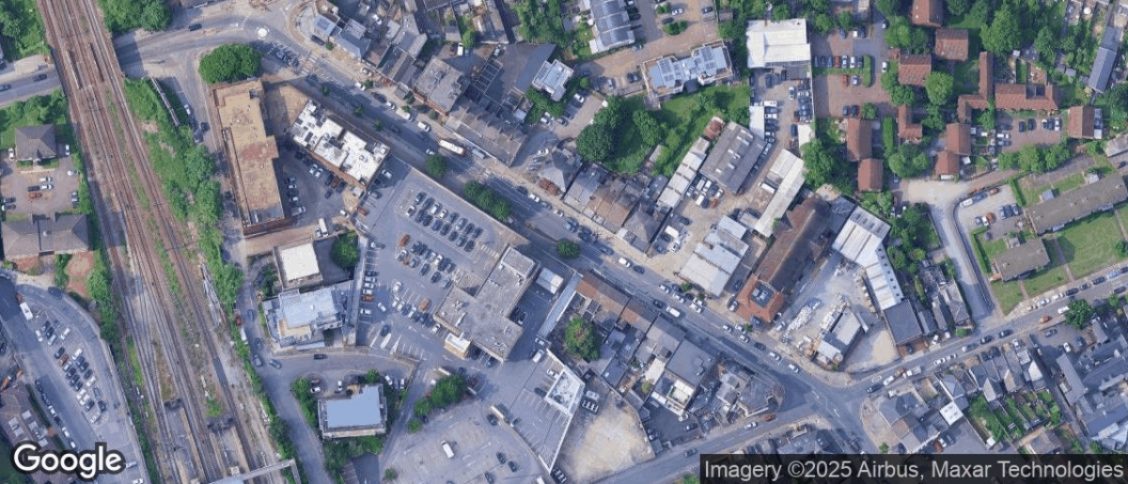
New Barnet sits in the northern reaches of London’s suburban sprawl, offering residents a curious blend of metropolitan convenience and leafy calm. This former Hertfordshire village, now part of Greater London, presents a mixed proposition for potential residents. It’s neither the trendiest nor the dullest of North London’s suburbs, with decent transport links but relatively few standout attractions. The high street lacks the charm of nearby Barnet, yet housing costs less than in more fashionable neighboring areas. Crime rates hover around the London average, schools range from excellent to middling, and green spaces provide welcome relief from urban life. Let’s dig into what life in New Barnet really offers beyond the estate agent’s glossy particulars.
Is New Barnet safe?
New Barnet generally maintains a reasonable safety record by London standards. Local residents typically describe it as “quiet enough” rather than particularly troublesome. The area around Bentley Way sees the highest concentration of reported incidents, which is unsurprising given its proximity to retail areas where shoplifting tends to occur.
The tube stations at High Barnet and Cockfosters experience the typical issues associated with transport hubs, primarily anti-social behavior and property damage rather than serious offenses. Evening revelers can occasionally create disturbances around the handful of pubs on East Barnet Road, but these rarely escalate into anything significant.
Local community policing has improved in recent years, with officers maintaining a visible presence during school run hours and weekend evenings. The Neighborhood Watch schemes remain active, particularly in the residential streets off Station Road, where residents keep a protective eye over their relatively affluent enclaves.
Is New Barnet a nice place to live for families?
New Barnet has quietly evolved into something of a family-friendly pocket over the past decade, attracting those priced out of Muswell Hill and East Finchley but still wanting decent schools and green spaces.
Parks and Recreation
Victoria Recreation Ground serves as the area’s primary green lung, offering tennis courts, a decent playground, and enough space for impromptu football matches and dog walking. The smaller Highlands Gardens provides a more secluded option with its winding paths and mature trees. Local parents often mention the Tudor Sports Ground Play Area as a reliable option for entertaining younger children on weekend mornings.
School holiday activities tend to cluster around the library and recreation grounds, with summer sports camps proving particularly popular. The annual Christmas lights switch-on along East Barnet Road creates a brief moment of community spirit, though it lacks the scale of celebrations in more central areas.
Schools
The school situation presents a mixed picture. While there are several outstanding primary options within reasonable distance, competition for places can be fierce. Many families move specifically for the catchment advantages, particularly for the more sought-after primaries. The secondary school landscape proves more challenging, with no outstanding options in the immediate vicinity, leading many parents to consider private alternatives or schools further afield in neighboring areas.
Getting children into the preferred schools often becomes a strategic game for local parents, with many having to consider less popular options or face lengthy journeys to schools in Finchley or Southgate. The catchment area competition has intensified in recent years as more young families have discovered the area’s relative value.
Is New Barnet expensive?
By London standards, New Barnet offers relative value, though “affordable” would be stretching the truth for most normal earners. With an average property price hovering around £585,000, it sits below the eye-watering figures of Hampstead or Highgate but remains firmly in middle-class territory.
The housing stock divides quite distinctly by location. The roads climbing toward Arkley command premium prices, particularly for the larger semi-detached homes that fetch upwards of £765,000. The Victorian terraces closer to the station typically sell for around £550,000, while flats – mostly conversions and newer developments near the high street – average about £325,000.
The rental market reflects similar patterns, with two-bedroom apartments commanding around £2,000 monthly. One-bedroom flats typically fetch £1,500, while family homes with three bedrooms start from about £2,550 per month.
For better value, prospective residents might consider nearby East Barnet or parts of Whetstone, though the trade-off comes in transport convenience. Those seeking more amenities and urban buzz for similar prices might look to Finchley Central, while those prioritizing greenery could consider Cockfosters, though prices there have risen sharply in recent years.
What transport links are there?
Transport represents one of New Barnet’s stronger suits. New Barnet station sits on the Great Northern line, offering direct services to Moorgate and King’s Cross in roughly 25-30 minutes during peak hours. Trains typically run every 15 minutes, though delays and cancellations have frustrated commuters with increasing regularity in recent years.
High Barnet and Cockfosters tube stations (Northern and Piccadilly lines respectively) lie within reasonable distance, providing alternative routes into central London, though both require a bus connection or brisk walk from most parts of New Barnet.
Bus services include the 384 to Cockfosters and High Barnet, the 307 connecting to Barnet Hospital and Brimsdown, and the 326 serving Brent Cross. For drivers, the A1 and M25 lie within easy reach, though morning traffic toward central London can be painfully slow. Residential parking remains relatively straightforward compared to more central areas, with most homes having off-street options.
What amenities are available in New Barnet?
New Barnet’s amenities cater to daily necessities without offering much excitement. The shopping parade along East Barnet Road provides functional rather than fashionable options, with Sainsbury’s and Tesco Express handling everyday grocery needs, supplemented by Aldi for budget-conscious shoppers. The Patrycja Polish Products store reflects the area’s diverse community and offers specialist items difficult to find elsewhere locally.
The dining scene remains limited but has improved in recent years. Urban Grind has established itself as the go-to coffee spot for laptop workers and young parents, while Tuk Tuk offers decent Thai food for evening meals. The Fortune Cat provides reliable Chinese takeaway, and Shayan Grill serves acceptable kebabs for late-night hunger pangs. The Old Bank Coffee House offers a pleasant breakfast option, though service can be unpredictable.
Healthcare services include a couple of GP practices and pharmacies, generally rated as adequate by locals. The library provides a small but useful community hub, particularly for families with young children attending story sessions. Fitness options include a couple of modern gyms and fitness centers catering to different budgets.
What New Barnet noticeably lacks is any cultural venues – no cinema, theatre, or arts spaces – forcing residents to travel to Finchley or central London for entertainment beyond the pub.
What is the surrounding outdoor area like?
New Barnet compensates for its limited urban amenities with decent access to green spaces. Victoria Recreation Ground offers the main local breathing space, with tennis courts and children’s play areas. Highlands Gardens provides a more ornamental alternative with its winding paths and seasonal planting.
More ambitious walkers can reach the expansive King George’s Fields or Monken Hadley Common within a reasonable distance. The New Barnet Allotments reflect the suburban gardening instinct still present in many residents, with waiting lists suggesting their continued popularity.
Belmont Open Space offers a wilder, less manicured green area, popular with dog walkers and those seeking a brief escape from suburbia. For more substantial countryside experiences, the greenbelt begins just beyond High Barnet, with footpaths leading toward Hertfordshire proper.
So, what’s the verdict?
New Barnet occupies a comfortable middle ground in North London’s suburban hierarchy – neither excitingly vibrant nor tediously dull. It functions primarily as a sensible compromise for families seeking reasonable transport links and acceptable schools without breaking the bank entirely.
The area lacks distinctive character compared to neighbors like Whetstone or East Finchley, with no notable high street charm or architectural coherence. Yet it compensates with practical advantages: decent train connections, adequate amenities, and enough green space to prevent suburban claustrophobia.
Those seeking bustling café culture, independent shops, or vibrant nightlife will be disappointed. However, residents who prioritize relatively affordable family homes with gardens, reasonable commutes, and a generally safe environment will find New Barnet fits the bill. It’s not a place that inspires passionate attachment, but many residents find themselves unexpectedly content with its unassuming practicality.
What are the alternatives?
Those considering New Barnet might also look at East Finchley, which offers similar transport options but a more characterful high street and better secondary schools, albeit with higher property prices. Whetstone provides a more upmarket shopping experience and larger properties but commands a premium for these advantages.
Cockfosters offers greener surroundings and direct tube access but fewer amenities and increasingly steep housing costs. Southgate presents a more vibrant high street and excellent tube connections, though its housing stock tends toward smaller properties.
For similar prices but more urban energy, Finchley Central deserves consideration, while those prioritizing value might look further out to places like New Southgate or parts of Enfield, accepting longer commutes in exchange for more affordable housing.