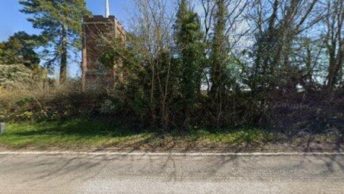
Clothall is a tiny rural hamlet in North Hertfordshire, sitting just south of Baldock. This diminutive settlement offers something rather unusual in modern Britain – genuine rural seclusion within striking distance of larger towns. This article examines the reality of living in Clothall, warts and all. The tranquility and countryside charm come with significant trade-offs: practically non-existent amenities, reliance on cars, and a distinct lack of local services. For those seeking peaceful country living, Clothall presents an intriguing option – but it’s certainly not for everyone.
Is Clothall safe?
The question of safety in Clothall almost seems comical to locals. “What crime?” would likely be the response from the handful of residents who call this rural outpost home. The hamlet is essentially a collection of farms and scattered houses with minimal through traffic and few opportunities for criminal activity.
Crime statistics confirm what common sense suggests – Clothall experiences significantly lower crime rates than the regional average. The few incidents reported tend to be isolated vehicle-related issues on Ashanger Lane or minor property damage. The hamlet’s remoteness and tiny population naturally contribute to its safety profile.
As one former resident put it: “I felt safer in Clothall than anywhere else I’ve lived. Everyone knows everyone, and there’s simply nowhere for troublemakers to hide.”
Is Clothall a nice place to live for families?
Family life in Clothall presents a curious paradox – endless countryside freedom but limited formal facilities. Children can experience a genuinely rural upbringing with fields to explore and nature on the doorstep. However, parents must be prepared for the practicalities of rural isolation.
Schools
Clothall itself has no schools whatsoever. Parents must look to nearby Baldock and surrounding villages for educational options. The closest primary schools include Weston Primary & Nursery School and St John Roman Catholic Primary School, both rated ‘Good’ by Ofsted but requiring transportation from Clothall. For secondary education, The Knights Templar School in Baldock (rated ‘Good’) is the nearest option.
The school run becomes an inevitable part of Clothall family life, with parents needing to factor in daily driving time. School place competition can be fierce, particularly for the more desirable institutions, though Clothall’s small population means relatively few families compete from the hamlet itself.
Family Activities
Clothall offers no playgrounds, swimming pools, or formal recreational facilities. The countryside itself becomes the playground, with walks across fields, bike rides along quiet lanes, and nature exploration the primary activities. For structured activities, families invariably travel to Baldock or Letchworth Garden City.
The hamlet supports relatively few families with children, partly due to the limited housing stock and partly because the isolation doesn’t suit everyone’s family lifestyle. Those who do raise children here often speak of the benefits of a “free-range” childhood, though teenagers might find the remoteness challenging.
Is Clothall expensive?
Property in Clothall commands a premium for its rural seclusion and chocolate-box appeal. The housing stock is extremely limited, consisting primarily of period farmhouses, converted agricultural buildings, and a handful of cottages. When these rare properties do come to market, they typically sell for significantly above the Hertfordshire average.
The rental market in Clothall is essentially non-existent. Properties rarely become available to rent, and when they do, they’re snapped up quickly despite commanding high prices. Those seeking rental accommodation would be better served looking to Baldock or Letchworth.
For comparison, nearby Baldock offers more affordable options, particularly in its newer developments, while still providing countryside access. Weston and Graveley present alternative rural villages with slightly more amenities than Clothall but retain much of the countryside character at somewhat lower price points.
What transport links are there?
Transport in Clothall is straightforward: you need a car. There’s no sugar-coating this reality. The hamlet has no bus service, no railway station, and limited footpath connections to neighboring settlements. Residents must drive to access virtually all services.
The nearest railway station is in Baldock, approximately two miles away, offering services to London King’s Cross in around 40 minutes. The A1(M) runs close to Clothall, providing good north-south road connections, while the A505 offers east-west routes.
Cycling is possible on the quiet country lanes, though these lack dedicated cycle paths and can be unlit at night. For commuters, Clothall requires either a multi-stage journey (drive to station, then train) or a full car commute.
What amenities are available in Clothall?
The blunt answer is: virtually none. Clothall has no shop, no post office, no pub, and no restaurant. It doesn’t have a doctor’s surgery, pharmacy, or any retail outlets whatsoever. Even the historic St Mary’s Church only holds occasional services.
For everything from a pint of milk to a pint of beer, residents travel to Baldock or beyond. This absence of amenities represents either Clothall’s greatest drawback or its most charming feature, depending on your perspective. The hamlet offers genuine rural living without the trappings of modern convenience.
The community does occasionally gather for events at Clothall’s small village hall, but these are infrequent and typically organized by residents themselves rather than being regular fixtures.
What is the surrounding outdoor area like?
Here Clothall truly excels. The hamlet is surrounded by rolling Hertfordshire countryside with panoramic views across agricultural land. Clothall Common provides open space, while numerous public footpaths crisscross the fields and woodlands. The ancient Icknield Way passes nearby, offering historical walking routes.
Weston Hills Nature Reserve lies within walking distance, providing woodland and chalk grassland habitats rich in wildlife. For more formal outdoor recreation, Standalone Farm and Letchworth’s Howard Park require a short drive.
The landscape here is quintessentially English: gentle, accessible, and pastoral rather than dramatic. It’s perfect for walking, horse riding, and peaceful contemplation rather than adrenaline sports or mountain climbing.
So, what’s the verdict?
Clothall offers a very particular lifestyle that will enchant some and horrify others. For those seeking genuine rural tranquility, dark night skies, and escape from modern bustle, it presents a rare opportunity within commuting distance of London. The safety, clean air, and countryside access are undeniable benefits.
However, the complete lack of amenities, reliance on car transport, limited housing options, and isolation make it unsuitable for many. Families must weigh the countryside freedom against the logistics of school runs and activities. Older residents might worry about access to services as mobility decreases.
Clothall works best for those who genuinely value rural seclusion above convenience, have reliable transport, and appreciate the rhythms of country life. It’s not a compromise location – it’s an intentional choice to embrace a particular way of living.
What are the alternatives?
For those drawn to Clothall but concerned about its limitations, several alternatives exist. Baldock itself offers a market town experience with shops, schools, and transport links while still providing countryside access. Property there costs less than Clothall’s premium prices.
Villages like Weston, Graveley, and Ashwell provide more amenities than Clothall while maintaining rural character. They typically have a pub, sometimes a village shop, and more regular community events.
For those requiring more substantial services but wanting countryside proximity, Letchworth Garden City combines urban amenities with green spaces and good transport connections, albeit with less rural character than Clothall itself.