Bayford is one of those curious little Hertfordshire villages that tends to fly under the radar. With a population of just a few hundred residents, this small settlement near Hertford offers a distinctly rural experience while remaining within commuting distance of London. Public opinion generally paints Bayford as an idyllic, if somewhat isolated, countryside retreat where properties command premium prices and community spirit runs deep. However, it’s not without its drawbacks – limited amenities, transportation challenges, and the premium cost of living mean it’s certainly not for everyone.
This article will explore whether Bayford truly deserves its reputation as a desirable rural enclave or if potential residents might be better served looking elsewhere. From safety concerns to school options, transport links to local amenities (or lack thereof), we’ll provide an honest assessment of what life in this small Hertfordshire village actually entails.
Is Bayford safe?
Bayford enjoys an enviable safety record, with crime rates significantly lower than the regional average. The village’s small size and relative isolation contribute to its security, with most residents reporting feeling extremely safe walking around at any time of day or night.
Local police presence is minimal simply because it isn’t needed – crime incidents are rare and typically minor in nature. The few reported incidents tend to cluster around Well Row, Brickendon Lane and Buck’s Alley, but these are predominantly low-level concerns rather than anything that would cause genuine alarm. Anti-social behaviour occasionally crops up but is usually linked to passing traffic rather than local residents.
The village’s tight-knit community serves as an informal neighbourhood watch, with residents keeping an eye out for anything unusual. As one local put it during a parish council meeting last year, “You can’t sneeze in Bayford without someone offering you a tissue and asking after your health!”
Is Bayford a nice place to live for families?
Families contemplating a move to Bayford will find a mixed picture. The village offers wonderful countryside living and a strong community feel, but facilities specifically for children and young people are somewhat limited compared to larger settlements.
Schools
Bayford Church of England Voluntary Controlled Primary School sits at the heart of the village and enjoys a ‘Good’ Ofsted rating. It’s a small school with approximately 100 pupils, offering an intimate learning environment where teachers know each child personally. The school benefits from its countryside location with outdoor learning opportunities, though its small size means extracurricular activities can be more limited than at larger primary schools.
For secondary education, families need to look beyond Bayford’s boundaries. Most children travel to schools in Hertford, Ware or Hoddesdon. This necessitates daily travel, with parents often forming carpooling arrangements to manage the school run. The competition for places at the better-rated secondary schools in the area can be fierce, so families moving to Bayford specifically for schooling should research catchment areas carefully.
Family Activities
Bayford itself has limited dedicated play facilities, with just a small playground for younger children. However, what it lacks in manufactured entertainment it makes up for in natural exploration opportunities. The surrounding woodlands, fields and footpaths provide endless adventure potential for families who enjoy the outdoors.
For structured activities, most families travel to Hertford or further afield. The annual Bayford Village Fete brings the community together with traditional games and activities, but regular weekly clubs and classes for children are sparse within the village itself.
Is Bayford expensive?
There’s no sugar-coating it – Bayford commands premium prices that reflect its desirable rural setting and proximity to London. With an average property price of £970,000 over the past year, it’s significantly pricier than many surrounding areas. Semi-detached properties, which make up the majority of sales, averaged around £825,000, while the limited number of flats that changed hands went for an eye-watering average of £1,400,000.
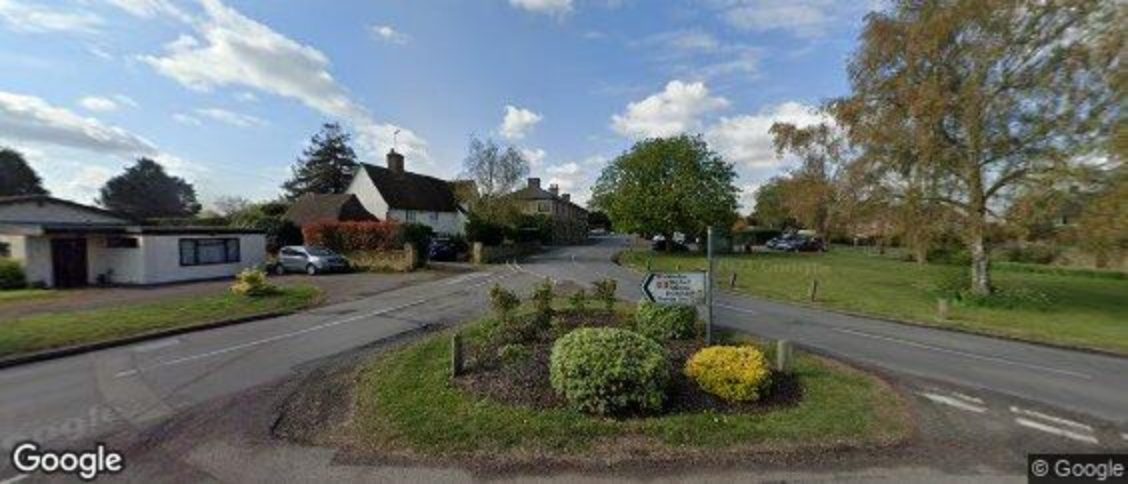
The northern end of the village, with its larger properties and better views, tends to be more expensive than the southern section. Properties along Bayford Green typically command the highest premiums due to their central location and period features.
The rental market in Bayford is practically non-existent, with very few properties becoming available. This scarcity drives prices up further when rentals do appear, making it a challenging market for tenants.
For those priced out of Bayford but attracted to the area, nearby Hertford offers more varied housing stock at lower price points, while still providing easy access to countryside. Alternatively, Brickendon offers a similar village feel with slightly more reasonable property prices, though still above the regional average.
What transport links are there?
Bayford’s transport situation is both a blessing and a curse. The village has its own railway station on the Hertford Loop Line, providing direct services to London Moorgate in approximately 45 minutes – a remarkable asset for such a small village. Trains run roughly hourly, with increased frequency during peak commuting times.
Bus services, however, are extremely limited, with just a handful of services connecting to Hertford each day. Some are timed to coincide with school runs during term time, but evening and weekend services are particularly sparse.
Road connections are reasonable, with the A10 and A414 both accessible within a short drive, providing routes to Cambridge, London and the wider motorway network. However, the village’s narrow lanes can become congested during peak times, and winter weather occasionally makes access challenging.
Most households in Bayford own at least one car, with many maintaining two or more vehicles due to the limited public transport options outside of rail services. The village’s position means that even basic errands typically require motorised transport.
What amenities are available in Bayford?
Bayford’s charm lies in its rural character, but this comes with a distinct lack of everyday amenities. The village has no shops, no post office, no restaurants, and no pubs within its immediate boundaries. The Baker Arms, which once served as the village pub, closed several years ago – a loss still keenly felt by long-term residents.
For daily needs, residents typically travel to Hertford (about 2 miles away) or Cuffley. Some locals have established informal arrangements with neighbours for emergency supplies, and community initiatives occasionally bring mobile services to the village hall.
Healthcare facilities are similarly absent from the village itself. Residents register with GP practices in Hertford or surrounding areas, with the nearest hospitals being in Welwyn Garden City (Lister Hospital) and Harlow (Princess Alexandra).
The village hall serves as the community hub, hosting various events throughout the year including quiz nights, craft fairs and parish council meetings. It’s the social heart of the village in the absence of commercial gathering places.
What is the surrounding outdoor area like?
Bayford’s greatest asset is undoubtedly its beautiful surrounding countryside. The village is encompassed by rolling Hertfordshire fields, ancient woodlands and scenic footpaths that provide year-round recreational opportunities.
Bayfordbury Woods lies nearby, offering extensive walking routes through managed woodland. The River Lea is accessible within a short distance, providing riverside walks connecting to the wider Lee Valley Regional Park.
Bencroft Wood and Wormley Wood, parts of the Broxbourne Woods National Nature Reserve, are within easy reach and offer designated trails through ancient woodland that’s particularly spectacular during bluebell season.
Horse riding is popular in the area, with several local stables and bridleways crisscrossing the landscape. Cyclists enjoy the relatively quiet country lanes, though the hilly terrain provides a good workout rather than a leisurely pedal.
So, what’s the verdict?
Bayford offers a genuine slice of rural English village life that’s increasingly rare within commuting distance of London. Its strong community spirit, exceptional safety record, direct train link to the capital and beautiful surrounding countryside make it deeply appealing to those seeking a quieter pace of life without complete isolation.
However, the significant premium on property prices, near-total absence of amenities, and dependency on private transport for most daily activities means it’s certainly not suitable for everyone. Families with teenagers might find the lack of activities frustrating, while those who value having shops and services within walking distance will feel the limitations keenly.
Bayford works best for those with comfortable finances who prioritise countryside living and community connection over convenience and value for money. It’s a village for those who appreciate the quiet life and are prepared to travel for most services and activities.
What are the alternatives?
Those drawn to Bayford’s rural charm but put off by its limitations might consider nearby alternatives. Hertford itself offers a good balance of amenities and countryside access, with a lively town centre, good schools and more diverse housing stock at lower price points than Bayford.
Little Berkhamsted provides a similar village feel with the addition of a functioning pub (The Five Horseshoes), while still maintaining rural character. Essendon offers more services including a shop and primary school, plus stunning views over the Lea Valley.
For those primarily attracted by Bayford’s rail link, Cuffley and Bayford’s neighbour Hertingfordbury provide similar commuting options with more extensive local facilities. Waterford and Stapleford are worth exploring for those prioritising picturesque settings without quite such premium price tags.