Little Hormead is precisely what the name suggests – little. This diminutive hamlet in East Hertfordshire sits quietly between Buntingford and Hare Street, offering a genuine slice of rural English life that’s increasingly hard to find. The public consensus tends to view Little Hormead as a tranquil escape from modern life’s hustle, though this comes with the typical rural trade-offs: limited amenities, transportation challenges, and the need to travel for most services.
The following honest assessment explores what life is really like in this tiny settlement. Spoiler alert: if you’re after convenience and vibrant social scenes, you might want to look elsewhere. But if peace, quiet and historic charm tick your boxes, Little Hormead might just surprise you.
Is Little Hormead safe?
Little Hormead enjoys significantly lower crime rates than the regional average, which isn’t surprising given its small population and remote location. Local residents rarely mention safety concerns when discussing their community.
The few incidents that do occur tend to be concentrated around Willow Close, where occasional anti-social behaviour has been reported, and along Hare Street Road. Worsted Lane has seen some burglary reports, though these remain infrequent by any standard.
The reality is that in such a small community, everyone tends to know everyone else, creating a natural neighbourhood watch system. As one local farmer put it at last year’s parish meeting: “You can’t sneeze in Little Hormead without someone offering you a tissue.”
Is Little Hormead a nice place to live for families?
Little Hormead presents a curious paradox for families. On one hand, it offers the idyllic countryside childhood many parents dream of providing – open spaces, clean air, and a tight-knit community. On the other hand, the practicalities of raising children here require significant planning and car ownership.
Schools and Education
The educational situation for Little Hormead families revolves around Hormead Church of England (VA) First School, which has maintained its ‘Good’ Ofsted rating and serves as the primary option for local children. Parents speak highly of its community feel and the individual attention children receive due to smaller class sizes.
For additional options, families look to Furneux Pelham Church of England School or Anstey First School, both also rated ‘Good’. However, competition for places can be fierce, and catchment area considerations come into play, often making school runs a significant part of family logistics.
Secondary education requires looking further afield, with most children eventually attending schools in Buntingford or Bishop’s Stortford. This transition marks a significant change for children raised in Little Hormead’s sheltered environment.
Family Activities
Little Hormead itself offers minimal structured activities for children. The lack of playgrounds or parks within the hamlet proper means families often create their own entertainment or join activities in neighbouring villages.
The annual village fête, while modest, becomes a highlight for local families, with traditional games and competitions that feel delightfully out of step with time. During last summer’s event, the egg-and-spoon race became unexpectedly competitive when three generations of the Williams family entered, resulting in what locals now refer to as “The Great Egg Scandal of 2023”.
Is Little Hormead expensive?
Property in Little Hormead commands a premium for its rural charm and historic character. The housing stock primarily consists of period cottages, converted farm buildings, and a handful of more substantial detached properties, many dating back several centuries.
The limited housing supply means prices tend to be higher than in nearby Buntingford, with the average detached property selling for upwards of £750,000. Smaller cottages, when they become available, typically fetch between £400,000-£500,000.
The rental market in Little Hormead is virtually non-existent, with properties rarely becoming available to let. When rental opportunities do arise, they’re typically snapped up through word of mouth before reaching the open market.
Those seeking more affordable options might consider nearby Hare Street or Buntingford itself, where housing stock is more diverse and prices more moderate. Buntingford offers modern developments with new-build properties starting around £350,000, providing a more accessible entry point to the area.
What transport links are there?
In a word: limited. Little Hormead represents rural living in its purest form, which means private transport is essentially a necessity rather than a luxury.
Bus services are sparse, with the nearest stop on the B1038 offering occasional connections to Buntingford and Bishop’s Stortford. The 27 service passes nearby, but its infrequent timetable makes relying on it for daily commuting impractical.
The nearest railway stations are Ware or Royston, both requiring a car journey of approximately 20 minutes. From these stations, commuters can reach London Liverpool Street or King’s Cross in around 45 minutes, making long-distance commuting technically possible but time-consuming.
Road access centers on the B1038, connecting to the A10 for north-south travel. The A120 provides east-west connections but requires a short drive to access. During winter months, the rural lanes around Little Hormead can become challenging, with local knowledge of alternative routes proving invaluable after heavy snowfall.
What amenities are available in Little Hormead?
The brutal truth is that Little Hormead offers almost no amenities within its boundaries. There are no shops, pubs, restaurants, or healthcare facilities in the hamlet itself.
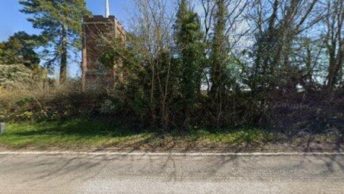
St Mary’s Church stands as the community’s historic centerpiece, with its Norman origins and the distinctive separate bell tower that’s become something of a local landmark. Services are held monthly, bringing together residents in one of the few regular community gatherings.
For everything else, residents look to neighbouring settlements. Hare Street provides the nearest basic services, while Buntingford (approximately 3 miles away) offers supermarkets, GP services, pharmacies, and a modest high street with independent shops.
The lack of amenities represents either Little Hormead’s greatest drawback or its most cherished feature, depending entirely on what you’re seeking from village life.
What is the surrounding outdoor area like?
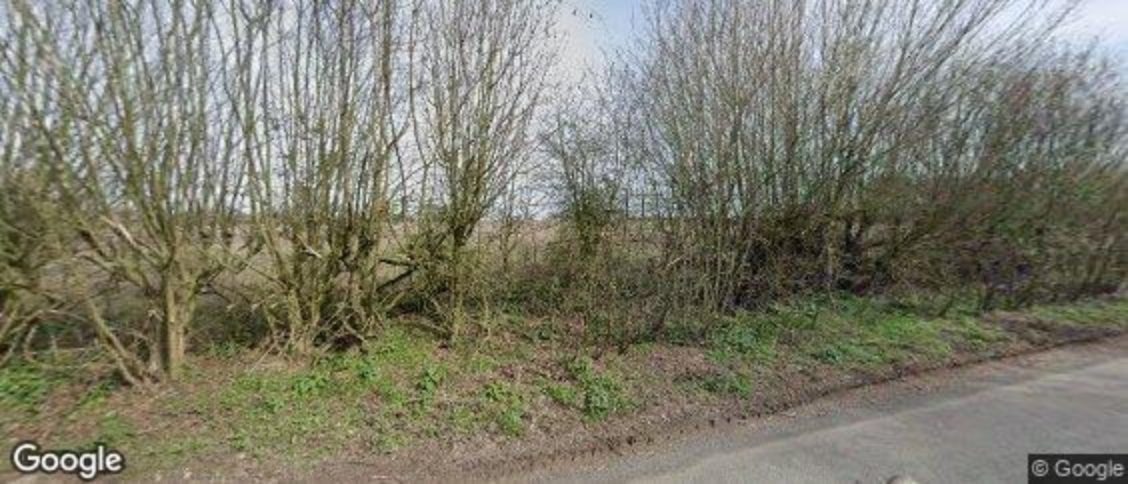
The countryside surrounding Little Hormead constitutes its primary attraction. The hamlet sits within typical Hertfordshire rolling farmland, with ancient hedgerows, scattered woodlands, and gentle hills creating a landscape that changes dramatically with the seasons.
The River Quin, though modest in size, meanders nearby, providing pleasant walking routes. Public footpaths crisscross the surrounding fields, with the route toward Anstey proving particularly popular among local walkers.
Hormead Herne, a small woodland area, offers bluebell displays in spring that draw visitors from surrounding villages. The ancient hornbeam and oak trees provide habitat for diverse wildlife, including the increasingly rare dormouse that’s become something of a local conservation success story.
For more substantial outdoor experiences, residents often visit Hatfield Forest or the expansive Chiltern Hills, both requiring a short drive but offering more extensive walking and cycling opportunities.
So, what’s the verdict?
Little Hormead offers an increasingly rare proposition: genuine rural tranquility within striking distance of London. For those seeking escape from modern life’s constant connectivity and commerce, it delivers authenticity in spades.
However, this comes with significant practical considerations. Daily life requires planning, car ownership is essential, and the lack of amenities means even basic errands involve travel. Winter months can feel isolating, especially during bad weather when the narrow lanes become challenging.
The hamlet suits those who value peace, privacy, and historic character above convenience. It’s ideal for retirees, those who work from home, or families willing to embrace the logistical challenges in exchange for raising children in a setting where nature is the primary playground.
Little Hormead isn’t for everyone – and that’s precisely why those who love it, love it so deeply.
What are the alternatives?
Those drawn to the area but concerned about Little Hormead’s limitations might consider several alternatives:
Buntingford offers the nearest proper town experience, with significantly more amenities while maintaining a pleasant market town character. Property prices tend to be lower, and the range of housing is more diverse, from period properties to new developments.
Great Hormead, Little Hormead’s larger neighbour, provides a slightly more developed village experience with a pub (The Three Tuns) while retaining rural charm.
Braughing combines picturesque village aesthetics with slightly better amenities, including two pubs and a village shop, making daily life more convenient while preserving character.
For those requiring better transport links, the larger settlements of Ware or Bishop’s Stortford offer direct train services to London alongside comprehensive amenities, though at the cost of the peace and character that defines Little Hormead.