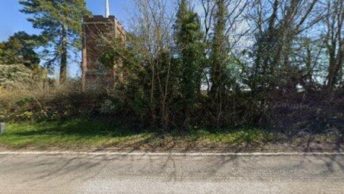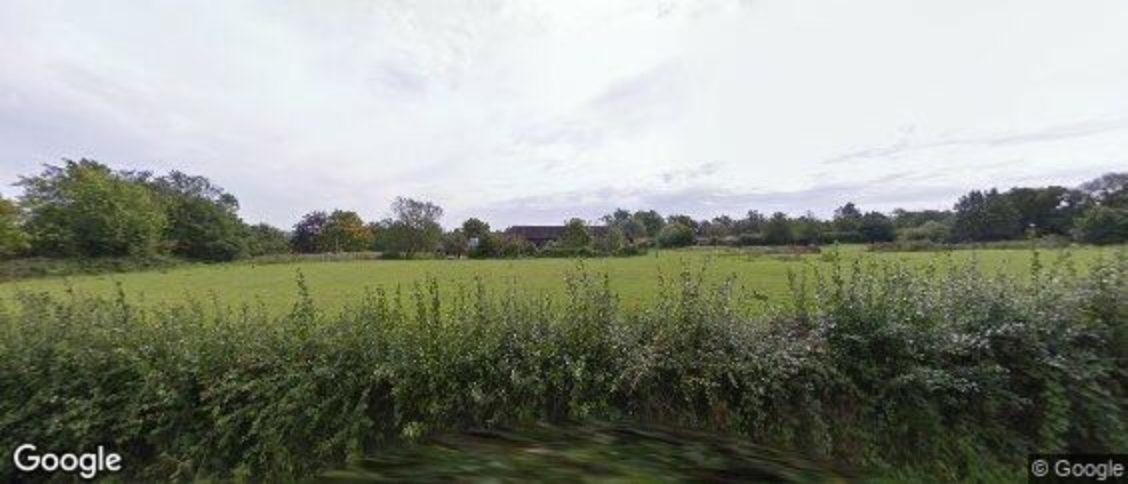
Throcking sits as one of Hertfordshire’s tiniest hamlets, tucked away just outside Buntingford in East Hertfordshire. With barely a handful of dwellings and surrounded by rolling countryside, this microscopic settlement offers a drastically different lifestyle to nearby towns. The question of whether it’s a “nice” place to live depends entirely on what one seeks – absolute rural tranquility or everyday conveniences. This article examines Throcking’s safety record, family suitability, property prices, transport connections, amenities (or lack thereof), and surrounding natural beauty to determine if this diminutive hamlet might be your ideal home.
Is Throcking safe?
Throcking enjoys the safety benefits typical of extremely small rural settlements. Crime incidents are substantially below the regional average, with most recorded incidents occurring on nearby roads rather than within the hamlet itself.
The most common issues reported tend to be vehicle-related matters on Cottered Road and occasional anti-social behaviour around The Crescent and Peasecroft – though these locations are actually on the periphery of Buntingford rather than in Throcking proper.
Local residents often remark that they rarely lock their doors during daylight hours – a throwback to a bygone era that remains possible in this secluded spot. That said, the hamlet’s isolation can occasionally make some feel vulnerable, especially during winter when the single access road can become treacherous after dark.
Is Throcking a nice place to live for families?
Throcking presents a curious case for families. The hamlet itself offers extraordinary freedom for children – think endless fields, woodland adventures, and star-filled skies unmarred by light pollution. However, the practicalities of daily family life require some serious consideration.
Schools and Education
There are no schools within Throcking itself, making daily school runs inevitable. Families typically rely on schools in Buntingford, with Millfield First and Nursery School being the closest primary option, currently rated ‘Good’ by Ofsted. Layston Church of England First School provides an alternative, though it currently ‘Requires Improvement’ according to inspectors.
For older children, Freman College and Edwinstree Church of England Middle School (both rated ‘Good’) serve the area, but again, these necessitate travel from Throcking. The competition for places can be fierce, with catchment area considerations sometimes working against Throcking residents due to their outlying position.
Family Activities and Facilities
Throcking itself offers no formal playgrounds or parks – it’s truly a case of making your own entertainment. The surrounding countryside becomes the playground, with den-building, nature exploration and cycling being popular pastimes. Parents report that children either thrive in this environment or quickly become bored without structured activities nearby.
Family social life tends to revolve around Buntingford, where occasional community events provide opportunities for interaction. Many Throcking families create their own social circles through home gatherings and garden parties, particularly during summer months.
Is Throcking expensive?
Property in Throcking commands premium prices due to its scarcity and the idyllic countryside setting. The handful of properties that make up the hamlet rarely come to market, often being passed down through generations or snapped up through private sales before reaching estate agents.
When homes do become available, expect to pay significantly above the Hertfordshire average – itself already one of the UK’s priciest counties. Detached properties with land can fetch well over £800,000, with even modest cottages starting around the £500,000 mark.
The rental market in Throcking is effectively non-existent, with no regular supply of properties becoming available. Those seeking rental accommodation would need to look to Buntingford or Cottered, where occasional properties appear but are quickly claimed.
For those seeking rural charm at more reasonable prices, nearby villages like Westmill or Aspenden offer slightly better value while maintaining countryside character. Alternatively, Buntingford itself provides more affordable options with the benefit of immediate access to amenities.
What transport links are there?
Transport is Throcking’s Achilles’ heel. There is no public transport serving the hamlet directly, making car ownership absolutely essential for residents. The nearest bus services run from Buntingford, offering limited connections to Stevenage, Royston and Bishop’s Stortford.
The hamlet sits approximately two miles from the A10, providing road connections to Cambridge (20 miles north) and London (35 miles south). Commuters typically drive to Royston or Stevenage for rail services into London King’s Cross, with journey times of around 40 minutes from these stations.
Local residents have established informal car-sharing arrangements for school runs and shopping trips, highlighting the community’s adaptability to their transport limitations. However, teenagers and elderly residents without access to vehicles report feeling particularly isolated.
What amenities are available in Throcking?
In terms of amenities within the hamlet itself, Throcking offers practically nothing. There are no shops, pubs, restaurants, or healthcare facilities within its boundaries. The hamlet’s sole commercial presence appears to be a veterinary service – ironically, animals receive better local care than humans!
For everything else, residents rely on Buntingford, which provides basic shopping facilities including a Co-op, several independent retailers, a handful of cafés and restaurants, and a medical centre. More substantial shopping trips typically involve journeys to Royston, Bishop’s Stortford or Cambridge.
The absence of a local pub is felt keenly by residents, who must travel to The Rest and Welcome in Haultwick or The Sword Inn Hand in Westmill for their nearest ‘local’. Community spirit emerges not through shared public spaces but through neighbourly relationships and occasional gatherings in private homes.
What is the surrounding outdoor area like?
Throcking’s redeeming feature is undoubtedly its spectacular rural setting. The hamlet is surrounded by quintessential Hertfordshire countryside – gently rolling fields, ancient hedgerows, and scattered woodlands create a pastoral landscape that changes dramatically with the seasons.
Ermine Street, the ancient Roman road, passes nearby, offering historical walking routes. The network of public footpaths around Throcking connects to Buntingford, Cottered and beyond, providing endless opportunities for ramblers and dog walkers.
Barkway Golf Club lies just a few miles away, while the more adventurous can explore Hatfield Forest or Therfield Heath within reasonable driving distance. For garden enthusiasts, the spectacular grounds of Hatfield House offer inspiration within a 30-minute drive.
So, what’s the verdict?
Throcking represents rural living in its most undiluted form. For those seeking absolute tranquility, dark night skies, and immersion in nature, it offers a rare opportunity in increasingly developed Hertfordshire. The hamlet’s tiny size creates a close-knit community where neighbours genuinely know and support each other.
However, the practical challenges cannot be overlooked. The complete absence of amenities, poor transport links, and limited schooling options make daily life logistically complex. Residents effectively trade convenience for character, paying premium prices for the privilege.
Throcking suits a specific demographic – those who can work remotely, aren’t dependent on public services, and value environmental quality above convenience. For families, it presents both extraordinary freedom and significant challenges. Retirees may find the isolation problematic as mobility decreases with age.
What are the alternatives?
Those drawn to Throcking’s rural character but concerned about its practical limitations might consider several alternatives. Cottered offers similar countryside charm but with a village pub and slightly better connectivity. Westmill provides picturesque surroundings with its duck pond and thatched cottages, plus the excellent Sword Inn Hand pub.
Buntingford itself represents a compromise solution – a small, historic market town with essential amenities but still surrounded by beautiful countryside. Property prices tend to be more reasonable, and the presence of schools, shops and healthcare makes daily life considerably more straightforward.
For those with larger budgets seeking prestigious rural living, villages like Much Hadham or Little Hadham offer more established communities with better amenities while maintaining countryside credentials. Alternatively, the outskirts of Royston provide good connectivity with access to more substantial urban facilities.