Sandridge offers a curious blend of village charm and proximity to St Albans city life that makes it rather unique in Hertfordshire. This ancient settlement, with its Norman church and woodland surrounds, presents a compelling case for those seeking a quieter life without completely disconnecting from urban conveniences. The crime rates are remarkably low compared to regional averages, though house prices reflect this premium rural-yet-connected position. School options are limited but high quality, with Sandringham School being a particular draw for families. The transport situation is somewhat mixed, with decent road connections but public transport that could be more comprehensive. For those considering a move here, this article examines whether Sandridge’s undeniable charm justifies its above-average property prices and occasional limitations.
Is Sandridge safe?
Ask locals about safety in Sandridge and you’ll typically get raised eyebrows at the very question. “Safe? It’s practically Midsomer without the murders,” quipped one resident at the village pub recently. The community spirit here creates a natural neighbourhood watch that keeps trouble at bay.
Crime statistics back up this local confidence, with figures substantially lower than the regional average. The few incidents tend to cluster around specific areas like Twyford Road, where shoplifting occasionally occurs, and some minor anti-social behaviour around Quantock Close. These incidents are anomalies rather than the norm in what is otherwise a remarkably peaceful community.
The village’s semi-rural setting likely contributes to its safety profile, with fewer opportunities for crime compared to busier urban areas. Most residents report feeling comfortable walking around at any time of day or night, something increasingly rare in modern Britain.
Is Sandridge a nice place to live for families?
Sandridge has become something of a magnet for families seeking a village lifestyle with good educational options. The village green often buzzes with children playing after school, creating that nostalgic community atmosphere that’s increasingly hard to find.
Schools and Education
Education is a significant strength for Sandridge. Sandridge School, the local primary, maintains a ‘Good’ Ofsted rating and benefits from its small size, allowing for a more personalised approach to education. Parents often comment on the school’s strong community feel and the dedication of its teaching staff.
The real educational jewel, however, is Sandringham School. This outstanding-rated secondary has become one of the most sought-after in the area. Its excellent academic results and broad extra-curricular offerings make it highly competitive. Be warned though – catchment areas are tight, and families have been known to move specifically to secure a place. Some parents report disappointment when finding their Sandridge address doesn’t guarantee admission due to oversubscription.
Family Activities and Facilities
The village offers modest but adequate facilities for young families. St Leonards Playground provides a decent space for younger children, though it’s not the most extensive compared to neighbouring areas. The real family-friendly asset is the surrounding countryside, with Heartwood Forest offering excellent weekend walking and nature exploration.
School holiday activities tend to be community-organised rather than commercial, with the village hall hosting occasional events. Many families cite the annual Sandridge village fête as a highlight of the local calendar, complete with traditional games and competitions that hark back to a simpler time.
Is Sandridge expensive?
There’s no sugar-coating it – Sandridge commands premium prices. With an overall average property price of £615,000 last year, it sits notably above many surrounding areas. This reflects its desirable blend of rural charm and accessibility to St Albans and London.
The property market shows clear segmentation. Terraced properties, often charming period cottages, averaged £465,000, offering the “entry level” to Sandridge living. Semi-detached homes jumped considerably to £785,000, while detached properties commanded a hefty £895,000. The northern end of the village, with larger plots and better views across open countryside, typically fetches the highest prices.
The rental market is extremely tight, with availability significantly below the regional average. One-bedroom flats typically start around £1,150 monthly, while a modest two-bedroom terraced house commands approximately £1,600 – figures that would secure considerably more space just a few miles away in areas like Fleetville or parts of Hatfield.
For those priced out but still drawn to the area, Jersey Farm offers a more affordable alternative with similar access to amenities but less of the historic character. Alternatively, Marshalswick provides more housing stock at slightly lower prices while still offering good school options.
What transport links are there?
Transport represents Sandridge’s compromise for its village setting. There’s no railway station in the village itself, with St Albans City station being the nearest option – about a 10-minute drive away. From there, Thameslink services reach London St Pancras in approximately 20 minutes, making commuting feasible if not immediately convenient.
Bus services connect Sandridge to St Albans via the 304 and 305 routes, though frequency decreases evenings and weekends. Many residents consider a car essential, particularly for families juggling school runs and shopping trips.
Road connections are more favorable, with easy access to the A1(M) at nearby Hatfield, and the M25 accessible via St Albans. This positioning makes Sandridge surprisingly convenient for motorists needing to reach various parts of the Home Counties or London, despite its rural feel.
Cycling has gained popularity, with dedicated paths to St Albans making this a viable option for environmentally-conscious commuters during better weather – though the hills can be challenging for casual cyclists.
What amenities are available in Sandridge?
Sandridge offers a carefully curated selection of amenities that serve daily needs without transforming the village into a commercial hub. The Village Stores provides essentials and has become something of a community focal point, though prices reflect the convenience factor.
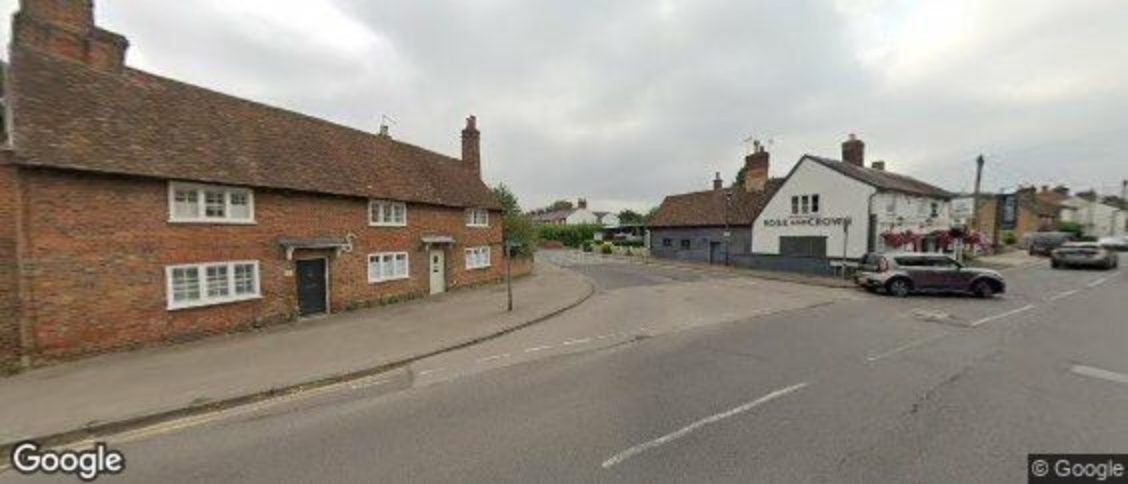
Food options include The Potting Shed Café, which does a roaring trade in weekend brunches, and a Starbucks on the periphery that serves as an informal meeting spot. The village pubs – particularly The Green Man and The Rose and Crown – offer quality food alongside their beverage selections, with seasonal menus featuring local produce.
Healthcare provision is basic but functional, with a doctor’s surgery handling routine matters, though residents typically travel to St Albans for specialist care. Fitness enthusiasts can access a small gym and yoga studio, though many prefer to exercise in the surrounding countryside.
What Sandridge lacks in urban conveniences, it makes up for in community spirit. The village hall hosts everything from amateur dramatics to council meetings, while the church remains active in organizing social events beyond religious services.
What is the surrounding outdoor area like?
The surrounding landscape is undoubtedly one of Sandridge’s strongest selling points. Heartwood Forest, England’s largest new native forest, borders the village and offers miles of walking trails through young woodland that’s visibly maturing year by year. The ancient woodland sections provide glimpses of what this ambitious project will eventually become.
Jersey Farm Woodland Park provides another green space with more manicured areas suitable for family picnics and casual strolls. The Jersey Farm Lagoon area has developed into a surprisingly rich wildlife habitat, attracting amateur photographers and birdwatchers.
The Heartwood Apiary reflects the area’s commitment to conservation, with community beekeeping projects sometimes offering workshops for interested residents. These green spaces connect via an extensive network of footpaths that can lead ambitious walkers all the way to neighboring villages without crossing major roads.
Seasonal changes transform these spaces dramatically, from bluebell carpets in spring woodland to frost-covered open fields in winter, giving residents a genuine connection to the natural calendar that’s increasingly rare in modern life.
So, what’s the verdict?
Sandridge presents a compelling case for those who prioritize community atmosphere, safety, and access to nature over urban convenience. The exceptional schools (particularly Sandringham), remarkably low crime rates, and genuine village character create a package that justifies the premium property prices for many residents.
However, the transport limitations, limited local amenities, and high cost of entry make it unsuitable for those seeking urban buzz or maximum value for money. The tight-knit community, while welcoming, can also feel insular to newcomers used to more anonymous living.
For families with school-age children who can afford the housing costs and don’t mind driving for shopping trips, Sandridge offers an increasingly rare combination of rural tranquility and educational excellence. Young professionals might find the limited nightlife and transport options restrictive, while retirees often appreciate the peaceful setting and strong community bonds.
What are the alternatives?
Those drawn to Sandridge but balking at the prices might consider Jersey Farm, which offers more modern housing stock at slightly lower prices while sharing much of the same countryside access. The trade-off comes in terms of historical character and the village atmosphere that defines Sandridge proper.
Wheathampstead, a few miles north, provides a similar village feel with slightly better amenities and its own excellent schools, though the commute to St Albans adds a few minutes. For those prioritizing transport links over rural charm, the northern parts of St Albans itself offer better connectivity while still providing access to good schools.
Harpenden represents a premium alternative with excellent schools and a more developed high street, but at even higher property prices. Meanwhile, Hatfield offers substantially more affordable housing but lacks the countryside integration and village character that makes Sandridge distinctive.