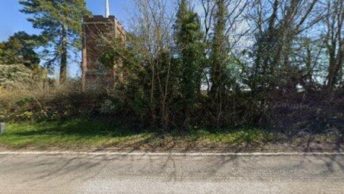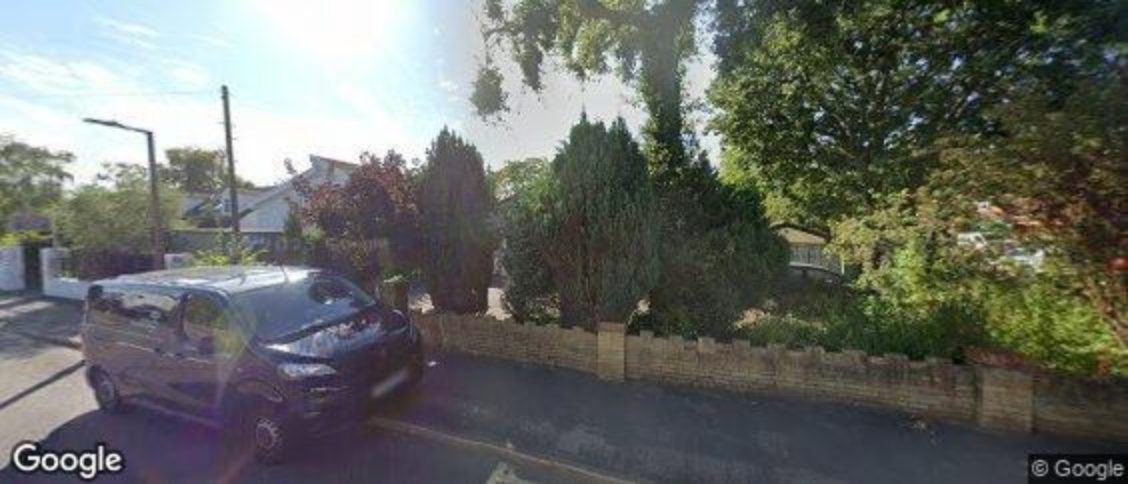
Bricket Wood sits on the southwestern edge of St Albans in Hertfordshire, straddling the boundary between countryside charm and suburban convenience. This small settlement, roughly 20 miles from central London, has developed a reputation as a quiet retreat for those seeking escape from city life without sacrificing connectivity. The village atmosphere, woodland surroundings, and relative tranquility have made it increasingly popular with commuters and families – but it’s certainly not without its drawbacks. The limited amenities, relatively high property prices, and somewhat isolated position mean it’s certainly not everyone’s cup of tea.
Is Bricket Wood safe?
Bricket Wood enjoys a solid reputation for safety, with crime rates consistently below the regional average. Locals frequently cite safety as one of the area’s strongest selling points, with many residents leaving doors unlocked during the day – a practice that would raise eyebrows in nearby St Albans or Watford.
The most common incidents tend to be minor anti-social behaviour around the petrol station and occasional vehicle-related crime. The isolated nature of some properties on the woodland fringes has historically made them targets for opportunistic break-ins, but community vigilance and improved security measures have helped address this issue.
The local Facebook group “Bricket Wood Matters” regularly features posts about suspicious vehicles or individuals, demonstrating the tight-knit community’s approach to maintaining their peaceful environment. As one long-term resident told the St Albans Review last year, “We look out for each other here – it’s old-fashioned in that way, which is why many of us wouldn’t live anywhere else.”
Is Bricket Wood a nice place to live for families?
Bricket Wood has become increasingly popular with families seeking green space and a village community, though the educational offerings require some compromise.
Schools
The school situation presents perhaps the biggest challenge for families. Bricket Wood itself doesn’t host any outstanding primary schools, with most parents looking to St Catherine of Siena Catholic Primary School just over a mile away. Competition for places can be fierce, with catchment areas shrinking in recent years as the school’s popularity has grown.
For secondary education, Parmiter’s School in nearby Garston is outstanding but falls outside Bricket Wood proper, meaning entrance isn’t guaranteed. Many families find themselves making the daily school run to St Albans or Watford for education, which is worth considering before making the move.
Family activities
What Bricket Wood lacks in educational facilities, it makes up for in outdoor space. Woodbury Field Playground offers decent, if basic, play equipment, while the extensive woodland paths provide endless opportunities for nature exploration, den building and family walks. The Building Research Establishment (BRE) occasionally opens its grounds for community events, and the village hall hosts regular parent and toddler groups.
School holidays see an influx of grandchildren visiting their grandparents, giving the area a family-friendly buzz during summer months. The annual Bricket Wood Festival in July has grown over recent years, featuring local food stalls, crafts and activities specifically designed for young families.
Is Bricket Wood expensive?
There’s no sugar-coating it: Bricket Wood commands premium prices that reflect its semi-rural setting and commuter-friendly position. With an overall average house price of £685,000 last year, it sits significantly above the Hertfordshire average.
The housing stock varies dramatically, from million-pound detached properties (averaging £930,000) in the more secluded woodland areas to more modest semi-detached homes around £580,000 closer to the main roads. The handful of flats, mostly conversions rather than purpose-built blocks, typically fetch around £405,000 – steep for what you get compared to nearby Garston or Watford.
The rental market is similarly tight, with limited availability driving prices upward. Two-bedroom flats command around £1,350 monthly, while family homes can reach £3,500 for larger properties. The scarcity of rental properties (roughly a third of the regional average) means tenants often find themselves competing against multiple applicants.
The eastern side of Bricket Wood, closer to the M1, tends to offer slightly better value, though traffic noise is a consideration. Those seeking more affordable options might consider Park Street or How Wood, both offering similar semi-rural vibes with marginally lower price tags.
What transport links are there?
Transport is a mixed blessing in Bricket Wood. The village station, while charming with its preserved heritage status, offers a limited service on the Abbey Line between St Albans and Watford Junction. Trains run roughly hourly, which can be frustrating for regular commuters – many end up driving to Watford Junction or St Albans City for more frequent connections to London.
Road connections are Bricket Wood’s saving grace. The M1 and M25 are minutes away, putting both London and the wider motorway network within easy reach. However, rush hour congestion around the M1 junction can add significant time to journeys.
Bus services are functional rather than comprehensive. The 635 provides connections to St Albans and Watford, though evening services are limited and Sunday schedules sparse. Most households find at least one car essential, with many maintaining two vehicles due to the limitations of public transport.
What amenities are available in Bricket Wood?
Bricket Wood offers just enough amenities for day-to-day needs, though you’ll inevitably find yourself travelling for more substantial shopping or entertainment.
The retail offering centers around practical necessities rather than luxury. The Costcutter and two Londis stores provide everyday essentials, though prices reflect the convenience factor. For proper grocery shopping, most residents head to the large supermarkets in Watford or St Albans.
Dining options, while limited, have improved in recent years. The Bricket Wood Cafe serves reliable breakfast and lunch fare, while Spice 85 offers decent Indian cuisine that draws visitors from surrounding villages. The traditional fish and chip shop maintains its popularity, particularly on Friday evenings when queues often stretch out the door.
The area is well-served by basic healthcare, with two doctor’s surgeries and a pharmacy, though hospital services require a trip to Watford or St Albans. Fitness enthusiasts appreciate the small but well-equipped local gym and yoga studio, supplemented by excellent running and cycling routes through the surrounding woodland.
The three pubs – The Gate, The Black Boy, and The Old Fox – form the social heart of the community, each with its own distinct character. The Gate’s Sunday roasts have developed something of a cult following, requiring booking weeks in advance during winter months.
What is the surrounding outdoor area like?
Bricket Wood’s greatest asset is undoubtedly its natural surroundings. Bricket Wood Common offers 78 hectares of ancient woodland, with a network of paths that change character dramatically through the seasons – from bluebell-carpeted glades in spring to atmospheric misty tracks in winter.
Black Green and Smug Oak Green provide more manicured open spaces for informal games and picnics. The Ver Valley Walk passes nearby, offering longer hiking opportunities along the river towards St Albans or Radlett.
Cyclists appreciate the quieter back roads toward Aldenham Reservoir and beyond, though the narrow lanes require caution, especially at weekends when leisure cyclists descend in groups.
The Woodland Trust has been working with local volunteers on conservation projects throughout Bricket Wood, creating opportunities for community involvement in maintaining these precious green spaces – a recent replanting day saw over 50 local residents planting native saplings.
So, what’s the verdict?
Bricket Wood occupies a curious middle ground – neither fully rural nor properly suburban, which constitutes both its charm and its challenge. For those seeking tranquility, woodland walks from their doorstep, and a genuine village community, it delivers admirably. The safety aspect, strong community spirit, and natural beauty make it particularly appealing to families and those escaping urban environments.
However, the premium property prices, limited local amenities, and educational compromises mean it’s not without significant drawbacks. The transport situation requires planning and patience, and those accustomed to comprehensive urban conveniences will find the adjustment challenging.
Ultimately, Bricket Wood suits those who prioritize space and serenity over convenience and variety – and have the budget to pay for it. It’s a place that rewards investment in community life rather than offering instant gratification.
What are the alternatives?
Those drawn to Bricket Wood’s semi-rural charm but deterred by the prices might consider Park Street or How Wood, both offering similar village atmospheres with slightly better transport links and more modest property prices. Chiswell Green provides more comprehensive amenities while maintaining green credentials, though with a less distinctive character.
For better educational options within a similar budget, Harpenden offers outstanding schools but with a more definitively suburban feel. Those prioritizing transport links might find Radlett’s fast trains to London more practical, though property prices there climb even higher than Bricket Wood.
For a more authentic rural experience with similar accessibility, villages like Shenley or Aldenham offer genuine countryside living with marginally lower property costs, though with even fewer amenities on the doorstep.