How Wood is a small suburban settlement that sits between St Albans and Park Street in Hertfordshire. It’s often described by locals as “the place you drive through to get somewhere else” – which rather unfairly undersells what’s actually a reasonably pleasant residential area with good transport links. The general consensus among residents is that it offers a quieter alternative to St Albans proper, with lower property prices, decent schools nearby, and a somewhat limited but functional set of amenities.
This article will explore whether How Wood truly deserves consideration as your next home. The housing market here is certainly heated, with detached properties fetching well over £800,000, but there are some definite lifestyle advantages that might justify the investment. The verdicts on safety, family-friendliness, and overall liveability are rather mixed, as we’ll discover.
Is How Wood safe?
How Wood generally enjoys a reputation as a safe area within the St Albans district. Local residents typically describe it as a place where they feel comfortable walking around, even after dark. The community is relatively tight-knit, which contributes to the overall sense of security.
Crime rates in How Wood sit below the regional average, particularly for burglaries, which is reassuring for potential homeowners. Most reported incidents tend to be concentrated around the petrol station on Watling Street and certain residential areas like Belvedere Gardens. The local Facebook community group occasionally lights up with reports of car-related crime, but these incidents are sporadic rather than endemic.
The local Neighbourhood Watch scheme is quite active, with residents keeping an eye out for suspicious activity. Police presence isn’t particularly visible day-to-day, but response times are generally considered acceptable by locals when incidents do occur.
Is How Wood a nice place to live for families?
How Wood has become increasingly popular with families over the past decade, largely due to its relative affordability compared to central St Albans and its proximity to good schools. The area has a suburban feel that appeals to those with children, offering a blend of convenience and community.
Parks and Recreation
Greenwood Park is the crown jewel of local outdoor spaces, offering excellent play facilities, sports pitches, and plenty of green space for picnics and general romping about. The play area there is well-maintained and suitable for various age groups. There’s also a community centre that hosts various children’s activities, from ballet classes to holiday clubs.
The local Park Street play area provides another option for families with younger children, though it’s more modest in size. During summer months, the Park Street Recreation Ground becomes a hub for informal cricket games and family gatherings.
Schools
The school situation is perhaps one of How Wood’s strongest selling points for families. How Wood Primary School is located right in the area and has a good reputation locally. Parents speak positively about the community feel and the dedication of the teaching staff.
For secondary education, The Marlborough Science Academy is within reasonable distance and rated ‘Good’ by Ofsted. Those willing to travel a bit further can access Parmiter’s School, which boasts an ‘Outstanding’ rating. However, competition for places at Parmiter’s is fierce, and living in How Wood doesn’t guarantee admission due to the catchment area constraints.
Several outstanding primary schools like Cunningham Hill Infant and Junior Schools are in the broader St Albans area, but again, catchment areas can be restrictive, and many How Wood families find themselves just outside the priority zones for these highly sought-after schools.
Is How Wood expensive?
There’s no sugar-coating it: How Wood isn’t cheap. With an overall average property price of £640,000 over the last year, it reflects the premium commanded by locations within the St Albans district. Detached properties are particularly expensive, averaging around £810,000, while semi-detached homes typically sell for about £630,000. The more “affordable” terraced properties still fetch around £415,000.
The properties along Spooners Drive and Juniper Avenue tend to command the highest prices, particularly the larger detached homes with generous gardens. The smaller terraced houses and flats closer to the station represent better value, relatively speaking, but still come with a hefty price tag for what you get.
The rental market in How Wood is limited, with few properties typically available at any given time. When they do come up, three-bedroom houses generally rent for around £1,850 per month, while two-bedroom flats can command as much as £1,900 – reflecting the area’s popularity and limited supply.
Compared to neighbouring areas, How Wood sits in an interesting middle ground. It’s noticeably cheaper than central St Albans but more expensive than parts of Park Street and significantly pricier than nearby Bricket Wood. The premium is largely down to the transport links and school options, rather than the amenities within How Wood itself.
What transport links are there?
Transport is undoubtedly one of How Wood’s strongest assets. The area boasts its own railway station on the Abbey Line, which runs between St Albans Abbey and Watford Junction. While this is only a single-track line with services every 45 minutes, it provides a useful connection to Watford’s mainline services to London Euston (journey time approximately 20 minutes from Watford).
For drivers, the M25 (Junction 21A) and M1 (Junction 6) are both easily accessible, making How Wood a good base for commuters working across the Home Counties. The A414 and A405 also provide good connections to St Albans city centre, Hemel Hempstead, and Watford.
Bus services include the 635 and 84A routes, connecting How Wood to St Albans, Watford, and various points in between. Local commuters report that while the buses are generally reliable, services reduce significantly in the evenings and on Sundays.
Cycling infrastructure is limited, though there are some designated routes connecting to St Albans. Many residents cite the lack of segregated cycle paths as a drawback, especially for families considering cycling as a regular transport option.
What amenities are available in How Wood?
How Wood itself has a modest selection of amenities – enough to cover the basics but requiring trips elsewhere for more substantial shopping or entertainment.
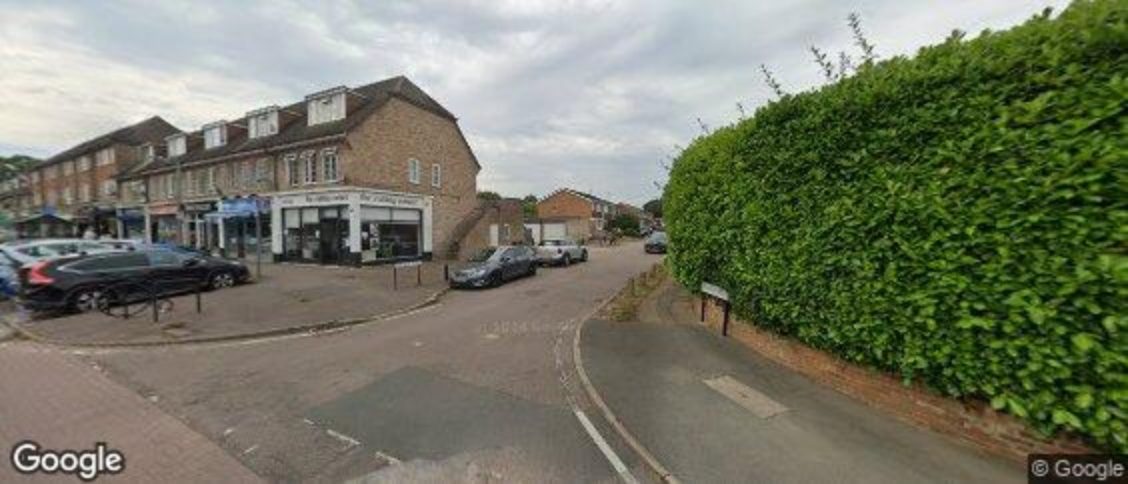
The small parade of shops includes a Co-op convenience store, which serves as the primary local grocery option. It’s well-stocked for everyday essentials but limited for major shopping. For larger supermarket runs, residents typically head to the Waitrose at the Shell garage on the A414 or venture into St Albans or Watford.
Food options are limited but include Gracey’s Pizza for takeaway and the Lazy Llama Café at nearby Greenwood Park for daytime refreshments. The lack of a proper pub within How Wood itself is noted by many residents as a significant omission, though the Three Hammers in Chiswell Green and The Overdraught in Park Street are within walking distance for many.
Healthcare provision includes a doctor’s surgery and a pharmacy, covering primary care needs adequately. For specialist services, residents typically travel to St Albans City Hospital or Watford General.
There’s a barber shop and hair salon in the local parade, along with a post office counter service within the Co-op. For fitness enthusiasts, there’s a small gym, though many residents opt for the more extensive facilities in St Albans or the excellent sports facilities at Greenwood Park.
What is the surrounding outdoor area like?
The outdoor spaces around How Wood provide a pleasant counterbalance to the suburban development. Greenwood Park is the standout local green space, offering 32 acres of parkland, woodland, and sports facilities including cricket, football, and tennis. It’s popular with dog walkers and families alike, and hosts various community events throughout the year.
Nearby Mayflower Park offers another green space option, while the Ver Valley Walk provides a scenic route along the River Ver for those who enjoy longer rambles. The Fairhaven area also offers pleasant walking opportunities.
For those willing to travel a bit further, the extensive woodlands of Bricket Wood Common are within easy reach, offering a more wild and natural environment for exploration. The Royal National Rose Society Gardens in Chiswell Green, though currently closed for redevelopment, have historically been another local attraction.
Cycling and walking routes connect How Wood to the wider countryside, including paths towards Potters Crouch and Bedmond, offering a taste of rural Hertfordshire within easy reach.
So, what’s the verdict?
How Wood occupies an interesting niche in the St Albans housing market. It’s neither the most prestigious nor the most affordable option, but it offers a solid combination of decent transport links, access to good schools, and enough amenities to make daily life convenient.
The area’s strengths lie in its transport connections, relative safety, and proximity to green spaces like Greenwood Park. The quiet, residential character appeals to families and professionals seeking a less hectic alternative to St Albans proper, while still maintaining connections to London and the wider region.
Its weaknesses include the limited local amenities, particularly the lack of restaurants and pubs, and the high property prices relative to what you get. Some residents also note that How Wood lacks a distinctive character or community hub that might foster a stronger sense of place.
For families with school-age children, How Wood represents a practical compromise – not quite securing access to all the most sought-after schools, but offering a good range of options within reasonable distance. For commuters, the transport links are undoubtedly attractive, though the single-track Abbey Line has its limitations.
What are the alternatives?
Those considering How Wood might also want to look at several nearby alternatives, each offering a slightly different balance of pros and cons.
Park Street, immediately adjacent, offers similar transport links but generally lower property prices. It has a more distinct village feel with a better range of local pubs, though school options are comparable.
Chiswell Green, on the other side of How Wood, tends to be more expensive but offers larger properties and gardens, plus slightly better local amenities. It’s particularly popular with families aiming for places at Parmiter’s School.
Bricket Wood, further south, provides significantly better value in terms of property prices, plus extensive woodland on the doorstep. However, transport links are less convenient, particularly for rail commuters.
For those who can stretch their budget, central St Albans offers the full package of amenities, excellent schools, and fast trains to London, but at a significant premium – expect to pay at least 20-30% more for comparable properties.
Ultimately, How Wood represents a middle-ground option that balances various factors without excelling in any particular area. It’s not the cheapest, not the most vibrant, not the most picturesque – but it’s a solid, practical choice that works well for many residents, particularly those prioritising school options and transport connections.