Oaklands, a small settlement within St. Albans, Hertfordshire, often flies under the radar when people consider places to live in the county. It’s a predominantly residential area with a quiet, unassuming character that locals generally appreciate. Public opinion tends to be positive, with residents valuing its semi-rural feel while still maintaining decent connections to larger towns and cities.
This article cuts through the estate agent fluff to examine whether Oaklands genuinely deserves consideration as your next home. We’ll look at everything from safety concerns (spoiler: there aren’t many) to the somewhat limited but functional amenities, while addressing the elephant in the room – the premium housing costs that might make your wallet wince.
Is Oaklands safe?
By Hertfordshire standards, Oaklands stands out as particularly safe. Crime rates sit significantly below the regional average, with residents reporting minimal concerns about personal safety. The occasional incidents tend to be concentrated around specific areas like Robbery Bottom Lane and Bridge Road, but even these are infrequent compared to neighbouring towns.
Local police maintain a visible presence, particularly during school run hours, and community WhatsApp groups actively share information about suspicious activities. One resident commented, “I’ve lived here for 15 years and never once felt unsafe walking home at night. You might get the odd garden ornament going walkabout, but that’s about as exciting as it gets crime-wise.”
Is Oaklands a nice place to live for families?
Families comprise a substantial portion of Oaklands’ population, drawn by the area’s safety and green spaces. However, the educational picture is somewhat mixed, with some excellent options nearby but considerable competition for places.
Schools
Oaklands Primary School sits within the area and maintains a consistently ‘Good’ Ofsted rating. Parents praise its community feel and dedicated staff, though some note its facilities aren’t as extensive as larger schools in neighbouring areas. For secondary education, most students attend Monk’s Walk School in nearby Welwyn Garden City, which also holds a ‘Good’ rating but involves a commute.
The educational challenge in Oaklands isn’t quality but accessibility – catchment areas are fiercely competitive, and families sometimes move specifically to secure places at preferred schools. One local parent shared, “We ended up using my mother-in-law’s address to get our daughter into Oaklands Primary. Bit naughty perhaps, but the alternatives would’ve meant a nightmare school run.”
Family Activities
While not bursting with dedicated children’s facilities, Oaklands compensates with natural play spaces. Mardley Heath offers woodland adventures, and the local recreation ground provides basic play equipment that younger children enjoy. School holidays see temporary activity camps pop up, though many parents report needing to drive to St. Albans or Welwyn Garden City for rainy-day entertainment options like cinemas or soft play.
During summer, the community organizes a modest family fun day on the green, with face painting, bouncy castles and local food stalls. It’s small but reflects the tight-knit community spirit that makes Oaklands appealing to families despite its limited dedicated facilities.
Is Oaklands expensive?
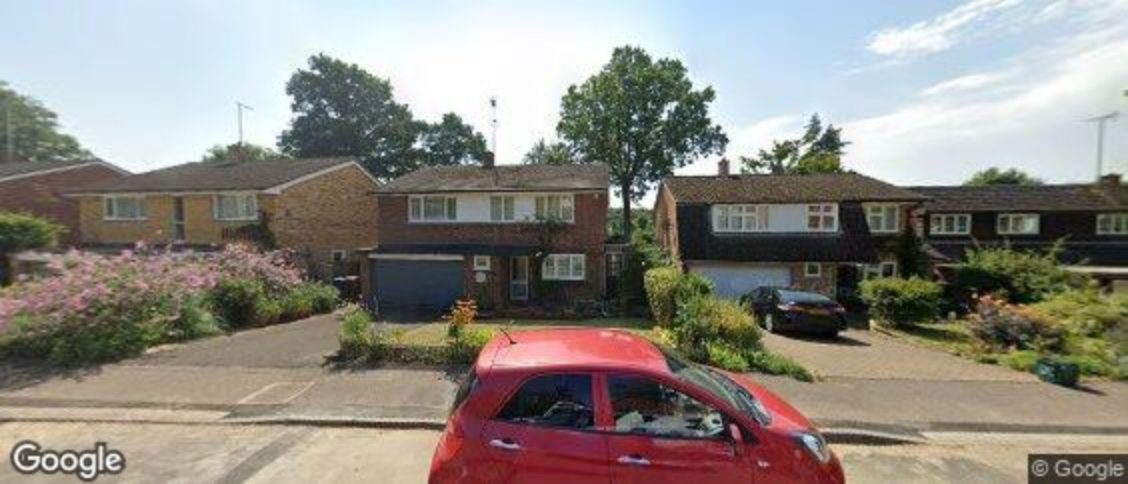
There’s no sugarcoating it – Oaklands commands premium prices that reflect its desirable location and quality of life. Property values sit noticeably above the Hertfordshire average, with detached homes frequently fetching north of £850,000. Semi-detached properties typically start around £600,000, while even modest terraced houses rarely dip below £450,000.
The western side of Oaklands, with its larger plots and period properties, tends to be particularly expensive. The eastern edges offer slightly better value but still command prices that make first-time buyers wince. Rental properties are scarce, with availability well below the regional average, creating a landlord’s market with corresponding premium rates.
For those seeking better value, nearby Hatfield offers significantly lower property prices but lacks Oaklands’ village charm. Knebworth provides a similar feel at a slightly reduced premium, though still far from bargain territory. As one local estate agent bluntly put it, “You’re paying for the postcode and the peace and quiet. If you need more bang for your buck, you’ll need to look further afield.”
What transport links are there?
Oaklands lacks its own railway station, which represents one of its few genuine drawbacks. Residents typically drive to Welwyn North or St. Albans stations for commuting, with services reaching London King’s Cross in approximately 25-30 minutes. The 366 and 388 bus routes provide connections to nearby towns, though services reduce dramatically in evenings and weekends.
Road connections compensate somewhat, with the A1(M) easily accessible for north-south travel and reasonable links to the M25. Most households maintain at least one car, considering it essential rather than optional. Cycling infrastructure remains limited, though enthusiasts make use of quieter back roads to reach neighbouring settlements.
The transport situation perfectly captures Oaklands’ compromise – not terrible but requiring planning and often private transport. As one commuter resident noted in the local Facebook group, “You trade convenience for countryside. Some mornings when the A1 is gridlocked, I question my life choices, but then I get home to actual silence and remember why I’m here.”
What amenities are available in Oaklands?
Oaklands offers functional rather than abundant amenities. For everyday essentials, residents rely on Premier and Mardley Stores convenience shops, which provide basics at slightly inflated prices. There’s no proper supermarket within the settlement itself, with most residents driving to larger stores in surrounding towns for weekly shops.
Food options remain limited to takeaways like Mr Low and Ocean Stars, with no proper sit-down restaurants in the immediate area. The local pub offers decent but unremarkable food alongside its primary function as a community gathering spot. Healthcare provision includes a couple of GP practices and a veterinary clinic, though specialist medical needs require travel to larger towns.
The village hall hosts various community activities from yoga classes to the occasional craft fair, providing some social infrastructure. However, residents seeking cultural activities, shopping variety or entertainment generally look to St. Albans or Welwyn Garden City. As one long-term resident put it, “Oaklands gives you what you need, not what you want. For life’s little luxuries, you get in the car.”
What is the surrounding outdoor area like?
Outdoor spaces represent Oaklands’ strongest selling point. Mardley Heath offers 16 hectares of ancient woodland with well-maintained walking paths, diverse wildlife and seasonal bluebells that draw photographers each spring. The area provides a genuine countryside experience minutes from residential streets.
Woolmer Green Village Pond creates a picturesque focal point, particularly popular with families feeding ducks on weekends. North Pit offers more rugged terrain for those seeking longer walks, with connections to broader countryside footpaths that extend toward Knebworth and beyond.
These green spaces feature prominently in local life, hosting everything from informal dog-walking groups to annual Easter egg hunts. Recent community efforts have secured funding for additional benches and wildlife information boards, demonstrating residents’ commitment to preserving these natural assets.
So, what’s the verdict?
Oaklands delivers precisely what it promises – a safe, quiet, semi-rural environment with strong community bonds and excellent outdoor spaces. These qualities come at a considerable financial premium and with compromises regarding amenities and transport connectivity.
For families prioritizing safety and green space over convenience, or professionals seeking countryside tranquility within commuting distance of London, Oaklands offers genuine appeal. However, those craving vibrant social scenes, cultural diversity or housing bargains would likely find it lacking.
The area works best for those with sufficient income to absorb its premium costs and the flexibility to adapt to its limited services. Its strengths and weaknesses remain remarkably consistent – what some consider peaceful, others find boring; what some see as exclusive, others view as overpriced.
What are the alternatives?
For similar village feel with better transport links, Knebworth offers a railway station with direct London services, though property prices remain high. Hatfield provides substantially better value housing and amenities but lacks Oaklands’ charm and safety record. Welwyn Garden City strikes a balance between urban convenience and green spaces, with more diverse housing stock but correspondingly higher population density.
Tewin offers even stronger rural credentials with stunning countryside but extremely limited amenities. St. Albans provides a comprehensive urban experience with excellent schools and transport but at even higher property prices than Oaklands.
Each alternative involves trade-offs – more affordable areas generally offer fewer of the qualities that make Oaklands desirable, while comparably pleasant locations typically share its premium pricing. The choice ultimately depends on which compromises feel most acceptable for individual circumstances.