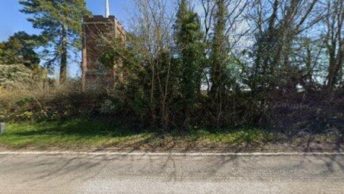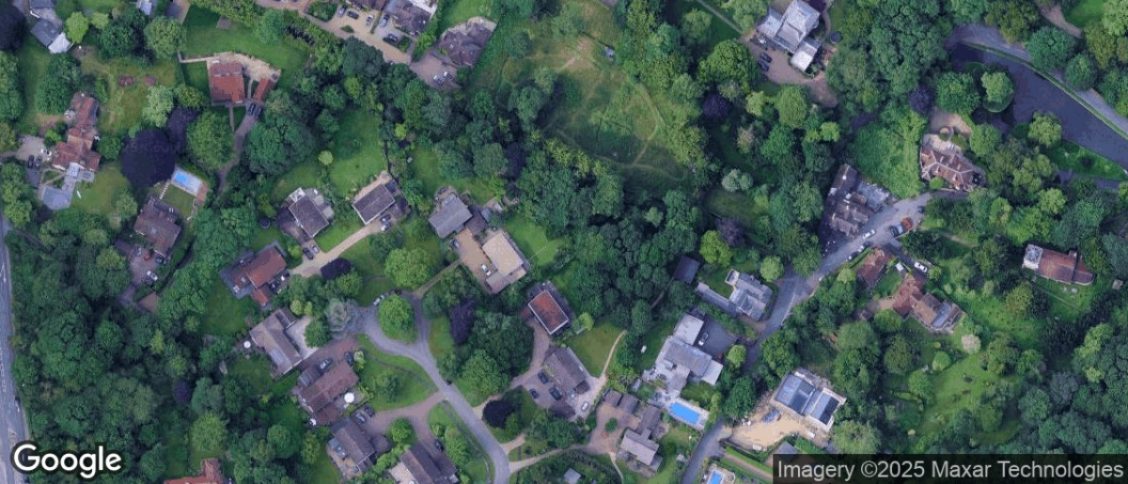
Great Amwell is a picturesque village situated in the heart of Hertfordshire’s countryside, just south of Ware. This small, historic settlement often flies under the radar compared to its larger neighbours, but it’s developed quite the reputation among those seeking a rural lifestyle with convenient connections to nearby towns. The village offers a blend of traditional charm with its historic church and rural landscapes, alongside the practicalities of modern living.
Local opinion generally paints Great Amwell as a desirable place to live, though it comes with a substantial price tag that reflects its appeal. Throughout this article, we’ll explore the reality of living in this Hertfordshire village – from its impressive safety record and family-friendly environment to its somewhat limited amenities and transport options. The verdict might surprise those who assume village life is always idyllic, as Great Amwell presents both distinct advantages and notable compromises.
Is Great Amwell safe?
Great Amwell enjoys a reputation as one of the safer places to live in Hertfordshire. The village experiences significantly fewer incidents than many surrounding areas, with crime rates falling well below the regional average. Local residents often cite safety as one of the primary reasons they choose to put up with the premium housing prices.
The village’s small size and tight-knit community contribute to its security. Many residents know their neighbours, creating an informal neighbourhood watch system. When incidents do occur, they tend to be minor and concentrated around a few specific areas like Hillside Crescent, where anti-social behaviour occasionally crops up. The nearby supermarket experiences the odd shoplifting incident, but serious crime is rare. As one local put it during last year’s parish council meeting, “You’re more likely to be bothered by a curious pheasant than a troublemaker in Great Amwell.”
Is Great Amwell a nice place to live for families?
Families make up a significant portion of Great Amwell’s population, drawn by the combination of countryside living and educational opportunities. The village has developed something of a reputation as a haven for those with school-age children, though the reality includes both advantages and challenges.
Schools
While Great Amwell itself doesn’t host any schools within its immediate boundaries, families benefit from access to excellent educational options in neighbouring areas. Several outstanding primary schools lie within reasonable distance, though this often means competition for places is fierce. Parents should note that the most sought-after schools like Abacus Belsize Primary and Abbey Mead Primary Academy are actually located in surrounding areas, requiring a short drive or bus journey.
For secondary education, families typically look to schools in Ware or Hoddesdon. Abbey Grange Church of England Academy and Abbey College, both rated ‘Good’ by Ofsted, are popular choices but involve a commute. This school run reality is something local families have simply adapted to, with many forming carpooling arrangements.
Family Activities
The real draw for families in Great Amwell is the outdoor lifestyle. The village sits beside the River Lea and New River, offering wonderful waterside walks. Amwell Nature Reserve provides weekend entertainment with its wildlife spotting opportunities – local children become amateur ornithologists almost by default. During school holidays, the village green becomes an informal gathering spot, though the lack of extensive playground facilities means parents often arrange trips to larger parks in Ware.
The annual village fête in summer brings the community together, with traditional games and activities that have changed little in decades – something that new families often find charmingly old-fashioned after moving from more urban environments.
Is Great Amwell expensive?
There’s no sugar-coating it – Great Amwell commands premium prices that reflect its desirability. With an overall average property price of £790,000 over the past year, it sits significantly above the Hertfordshire average. Detached properties, which dominate the local market, typically sell for around £830,000, while the rare terraced properties can fetch a surprising £975,000.
The western side of the village, with its views across the Lea Valley, tends to command the highest prices. Properties along Lower Road and Cautherly Lane are particularly sought after, often changing hands privately before ever reaching the open market. The eastern side, closer to the A10, offers slightly more affordable options, with semi-detached properties occasionally available around the £455,000 mark.
The rental market in Great Amwell is extremely limited, with availability well below the regional average. The few properties that do become available for rent – typically larger detached homes – command premium rates of around £3,500 per month. This scarcity has created a situation where potential renters often need to look to Ware or Hoddesdon instead.
For those priced out of Great Amwell, nearby St Margarets offers a similar village feel with slightly more reasonable property prices, while parts of southern Ware provide the convenience of town amenities with easier access to Great Amwell’s countryside.
What transport links are there?
Great Amwell’s transport situation represents one of its main compromises. The village has no railway station of its own, with residents typically driving to Ware (about 5 minutes away) or St Margarets for connections to London Liverpool Street. These services run regularly, taking approximately 45 minutes to reach the capital.
Bus services through the village are limited and somewhat infrequent. The 310 service connects Great Amwell to Ware and Hertford, but runs only hourly during weekdays and less frequently at weekends. This means most households consider at least one car essential – something reflected in the high number of two-car households in the area.
Road connections are more convenient, with the A10 providing quick access to the A414 and, further afield, the M25. Cambridge is accessible in under an hour by car, while Stansted Airport can be reached in approximately 30 minutes – making Great Amwell surprisingly well-positioned for international travel despite its rural character.
What amenities are available in Great Amwell?
Great Amwell’s amenities are distinctly limited – something long-term residents have accepted as the trade-off for village tranquility. The village itself lacks shops, with residents typically driving to Ware or the retail parks near Hoddesdon for weekly shopping. This absence of commercial development helps maintain the area’s rural character but can prove inconvenient for everyday essentials.
The village’s social heart is The George IV pub, a traditional establishment serving decent food that becomes particularly lively on quiz nights. Beyond this, residents must venture further afield for dining options. Nearby options include Rosie’s Seafood Bar and Fratelli Pizza in surrounding areas, while The Windmill Café provides a popular spot for weekend brunches.
Healthcare facilities within Great Amwell are non-existent, with residents registered at practices in Ware or Hoddesdon. The nearest major hospital is the Lister in Stevenage, approximately 20 minutes’ drive away. This distance from essential services is something prospective residents should carefully consider, particularly those with ongoing health needs or young families.
What is the surrounding outdoor area like?
The surrounding landscape represents Great Amwell’s crown jewel and primary attraction. Amwell Nature Reserve, managed by the Herts and Middlesex Wildlife Trust, offers 37 hectares of wetlands and meadows teeming with wildlife. Birdwatchers regularly spot kingfishers, herons, and numerous waterfowl species from the reserve’s viewing points.
The New River Path provides a scenic walking route connecting Great Amwell to Ware in one direction and Hoddesdon in the other. This historic waterway, despite its name, dates back to 1613 when it was constructed to bring fresh water to London. Today, it offers a peaceful corridor for walkers, runners and cyclists.
Hardmead and Stanstead Lock, just off Hollycross Road, provides another popular spot for weekend walks, with the lock-keeper’s cottage adding historical interest. The area known locally as The Thrifts offers woodland exploration, particularly beautiful during bluebell season in late spring. These natural spaces provide year-round recreation without requiring residents to travel far from home.
So, what’s the verdict?
Great Amwell offers a particular type of lifestyle that won’t suit everyone. Those seeking rural tranquility, natural beauty, and a strong sense of community will find it abundantly here. The village excels in providing safety, countryside access, and a genuine escape from urban living while maintaining reasonable connections to larger towns and London.
However, the compromises are significant. The high property prices make it inaccessible to many, while the limited amenities require regular travel for even basic shopping. Families must accept the school run as part of daily life, and those without cars will find the public transport options restrictive.
Great Amwell works best for those who value space and scenery over convenience, and community character over urban facilities. It’s not the place for those seeking nightlife, shopping variety, or the buzz of town living. But for those who can afford it and align with its particular charms, it offers a quality of life that keeps property values consistently high and residents remarkably loyal.
What are the alternatives?
For those drawn to Great Amwell but deterred by prices or limitations, several alternatives deserve consideration. St Margarets, just north of Great Amwell, offers similar village character with slightly lower property prices and the bonus of its own railway station. The southern parts of Ware provide more amenities while still offering easy access to Great Amwell’s countryside attractions.
Stanstead Abbotts, across the River Lea, provides another option with a stronger selection of local shops and a direct train service to London. For those prioritising value, villages further east like Hunsdon offer more affordable properties while maintaining rural character, though with even more limited transport options.
Each alternative involves different compromises – better amenities but less tranquility in Ware, better transport but busier roads in Stanstead Abbotts, or better value but increased isolation in Hunsdon. The right choice ultimately depends on which aspects of Great Amwell most appeal and which limitations seem most problematic for your particular circumstances.