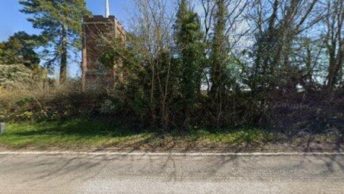
Wareside is a small, quintessentially English village tucked away in the Hertfordshire countryside, just a few miles east of Ware. With a population of only around 300 people, it’s the sort of place where everyone knows each other’s business – for better or worse. Public opinion tends to view Wareside as a tranquil rural retreat, though this comes with the typical countryside compromises: limited amenities, patchy transport links, and a distinct lack of urban conveniences.
For those considering a move to this diminutive hamlet, there’s a fair bit to weigh up. The housing market is surprisingly expensive for such a small settlement, the rural isolation can be challenging without a car, and local amenities are virtually non-existent. That said, the countryside setting, tight-knit community, and exceptional safety record make it an appealing option for those seeking to escape the hustle and bustle of larger towns and cities.
Is Wareside safe?
In terms of safety, Wareside is practically off the crime statistics charts – in a good way. Crime is exceedingly rare in this small village, with virtually no reported incidents within the village boundaries themselves. The rural nature and small population contribute to a strong sense of community vigilance, where unusual occurrences are quickly noticed.
Most villagers leave their doors unlocked without a second thought – a practice that would raise eyebrows in nearby Ware or Hertford. When locals discuss “crime,” they’re typically referring to the occasional agricultural theft or minor vandalism, which are few and far between. The nearest police station is in Ware, but their presence in Wareside is seldom required.
That said, it’s worth noting that the very isolation that keeps crime at bay can also mean longer emergency response times, something to consider for families with specific safety concerns.
Is Wareside a nice place to live for families?
Wareside presents a mixed picture for families, with some significant advantages but also notable limitations that require careful consideration.
Schools
Wareside has its own Church of England Primary School, which serves the village’s young children. It’s a tiny school with fewer than 50 pupils, offering an intimate learning environment where teachers know every child personally. However, this small size means limited facilities compared to larger schools in Ware.
For secondary education, families must look outside the village. The good news is that excellent options exist nearby, including Presdales School and The Chauncy School in Ware, both rated Outstanding by Ofsted. The challenge is that these schools are approximately 2 miles away, and competition for places can be fierce. Many Wareside parents find themselves driving their children to school, as public transport options are limited and not always aligned with school schedules.
Family Activities
Wareside itself has limited dedicated children’s facilities – there’s a small playground near the village hall, but not much else within the village boundaries. Families tend to make their own entertainment with countryside walks, cycling routes, and garden play.
For organised activities, most families travel to Ware or Hertford, where you’ll find swimming pools, sports clubs, and children’s activity centres. The Ware Priory grounds, about 10 minutes’ drive away, offer lovely riverside walks and open spaces for picnics and games.
The village does shine when it comes to community events, with the annual village fete being a particular highlight that brings families together. Christmas pantomimes at the village hall and summer BBQs also provide opportunities for children to socialise in a close-knit environment.
Is Wareside expensive?
Despite its small size and limited amenities, Wareside commands surprisingly steep property prices. With an average of around £420,000 over the last year, homes here fetch a premium for their countryside setting and large plots. Character properties, particularly the converted barns and farmhouses that dot the landscape, can easily reach £700,000-£1,000,000.
The rental market in Wareside is virtually non-existent, with very few properties coming up for let. When larger homes do become available, they command eye-watering rents – a 5 or 6-bedroom detached house could set you back around £5,000 per month.
For more affordable options, prospective residents might consider nearby Wareside Green or parts of Ware itself, where smaller properties and flats are available at lower price points. The significant premium paid for Wareside properties is largely for the rural lifestyle, peace and quiet, and generous plot sizes rather than for convenience or amenities.
What transport links are there?
Transport is one of Wareside’s major weaknesses. Put simply, you need a car to live here comfortably. The village is served by an extremely limited bus service – currently just a couple of buses per day to Ware and Hertford, with no evening or Sunday service at all.
The nearest railway station is in Ware, approximately 2.5 miles away. From there, trains run to London Liverpool Street in around 45 minutes, making commuting possible but not particularly convenient. Most Wareside commuters drive to Ware station, where parking can be difficult during peak times.
Road connections are reasonable, with the A10 accessible within a 10-minute drive, providing links to Cambridge to the north and London to the south. However, the narrow country lanes around Wareside can become treacherous in winter weather, and some properties are accessed via unmade roads that can be challenging in poor conditions.
What amenities are available in Wareside?
If you’re after convenience, Wareside will test your patience. The village has essentially no amenities within its boundaries – no shop, no post office, no pub (since The Chequers closed some years ago), and no restaurants.
For everyday essentials, residents drive to Ware or use online delivery services. The nearest supermarkets, pharmacies, banks, and GP surgeries are all in Ware, about 2.5 miles away. Some villagers have arranged informal collective shopping trips to help those without transport.
The village hall serves as the community hub, hosting occasional events, exercise classes, and the parish council meetings. A mobile library visits once a month, and there’s a small church that holds regular services.
Internet connectivity has improved in recent years, which has been a lifeline for residents working from home, though some outlying properties still struggle with reliable broadband.
What is the surrounding outdoor area like?
The countryside setting is Wareside’s crown jewel. The village is surrounded by beautiful rolling Hertfordshire farmland, with numerous footpaths and bridleways offering excellent walking opportunities. The River Ash runs through the village, providing picturesque spots for a countryside stroll.
Nearby Amwell Nature Reserve is a popular destination for birdwatchers and nature enthusiasts, while the towpath along the River Lea offers miles of flat walking and cycling routes. Celtic Harmony, an outdoor prehistoric settlement and education centre, is just a short drive away and popular with families.
The wider area boasts several country parks, including Hartham Common in Hertford, which offers open spaces, a riverside walk, and sports facilities. For more formal gardens, Hertfordshire’s historic houses such as Hatfield House are within easy driving distance.
So, what’s the verdict?
Wareside is definitely not for everyone. Those seeking convenience, amenities, and transport links should look elsewhere. The lack of basic services, limited public transport, and high property prices make it a challenging proposition for many.
However, for those prioritising peace and quiet, countryside living, and a strong sense of community, Wareside has genuine appeal. It’s the sort of place where neighbours look out for each other, where children can grow up with space to roam (albeit with parental transport required for most activities), and where the stresses of urban life feel far away.
The village works best for those who work from home, retirees, or commuters who don’t mind a drive to the station. Families with young children might find the primary school appealing, but teenagers will likely feel isolated without independent transport options.
What are the alternatives?
For those drawn to Wareside but concerned about its limitations, several alternatives offer a better balance. Ware itself provides far more amenities, better transport, and a wider range of property types and prices while still maintaining a pleasant market town atmosphere.
Nearby villages such as Thundridge or Standon offer a similar rural feel but with slightly better amenities. Great Amwell combines countryside charm with better connectivity to Ware and the A10.
For those with higher budgets who want rural charm with more facilities, Much Hadham and Little Hadham are worth considering, though they come with even steeper property prices. Alternatively, parts of Hertford, particularly the north side near Bengeo, offer a good compromise between town conveniences and countryside access.