
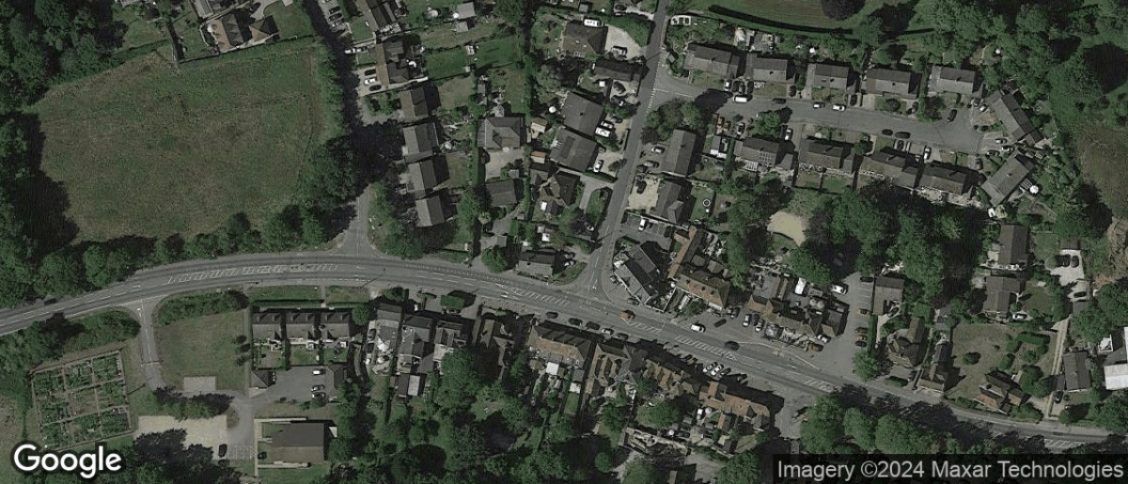
Nestled between Reading and Newbury, Woolhampton is a quaint village in Berkshire that has both its charms and quirks. For those considering a move to this picturesque locale, it’s important to weigh the pros and cons to see if it fits your lifestyle. The village boasts beautiful countryside views, a cozy community feel, and all the quirks you’d expect from a small British village. However, it’s not without its drawbacks such as limited amenities and higher property prices. Let’s delve into the nitty-gritty to give you a clear picture of what living in Woolhampton is really like.
Is Woolhampton safe?
Safety is often a top concern when moving to a new area, and Woolhampton generally enjoys a good reputation in this regard. The village is relatively quiet, and crime rates are lower compared to regional averages, especially when it comes to burglary, which is significantly lower here. However, some residents have noted crimes happening on or near the petrol station and Bath Road, with a few incidents also reported near Angel Mead.
It’s worth mentioning that while there’s a sense of general safety, every place has its trouble spots. Anecdotally, a local once mentioned how they saw a suspicious character near the Bath Road bus stop late at night, but fortunately, it turned out to be nothing more than a false alarm. Overall, Woolhampton seems to be a safe bet for anyone prioritising peace and security.
Is Woolhampton a nice place to live for families?
When it comes to family life, Woolhampton offers a mixed bag of opportunities and challenges. On the one hand, the village environment is perfect for raising children in a quiet, close-knit community. On the other hand, educational choices can be somewhat limited.
Primary & Secondary Schools
Woolhampton C.E. Primary School is the go-to school in the village and has a ‘Good’ rating. However, if you’re hoping for ‘Outstanding’ schools, you may need to look further afield, potentially to neighbouring villages like Aldermaston and Brimpton, which also have ‘Good’ rated primary schools. The lack of outstanding schools can be a drawback, making competition for places quite stiff.
For secondary education, families often have to venture out to nearby towns as there are no secondary schools in Woolhampton itself. This can be a hassle, but many parents have found the travel to be a small price to pay for the rural charm of Woolhampton.
Parks & Family Activities
Family activities are somewhat limited in Woolhampton itself, but the village does offer a few parks and green spaces. The local recreation ground is a favourite for weekend football matches and picnics. For more substantial outings, families often head to nearby Thatcham Nature Discovery Centre or take a short drive to the expansive Greenham Common.
All in all, while Woolhampton may not be bursting with family-centric amenities, the sense of community and access to nature make it a worthy consideration for families.
Is Woolhampton expensive?
In terms of property prices, Woolhampton can be on the pricier side, especially when compared to neighbouring regions. Over the past year, the average property price in Woolhampton was around £650,000. Semi-detached homes, which are the most common, usually go for about £470,000. Detached properties, on the other hand, can soar to an average of £1,220,000, making them a significant investment.
If these prices seem steep, you might want to consider nearby alternatives like Aldermaston or Thatcham, where property prices tend to be lower. The higher property prices in Woolhampton are often attributed to its scenic views and lower crime rates, making it a desirable spot despite the costs.
What transport links are there?
Woolhampton is well-connected, making it convenient for commuting to nearby cities. The village has its own train station, Midgham, which offers direct services to Reading and Newbury. For those who prefer driving, the A4 runs right through Woolhampton, providing easy access to the M4 motorway.
Bus services are also available, although they are not as frequent as you might find in larger towns. Many residents find that having a car makes life significantly easier, especially for those working in Reading or further afield.
What amenities are available in Woolhampton?
While Woolhampton isn’t exactly a shopping mecca, it does offer enough amenities to cover most day-to-day needs. The village has a small convenience store, a couple of charming pubs like The Rowbarge, and even a village hall that hosts various community events.
For healthcare, there’s a local GP surgery, but for more specialized medical needs, residents often travel to nearby Reading or Newbury. When it comes to dining out, options are limited but of good quality. The Falmouth Arms is a popular spot for a Sunday roast, and you’ll find a few other eateries dotted around the village.
What is the surrounding outdoor area like?
One of Woolhampton’s biggest draws is its stunning natural surroundings. The village is surrounded by lush countryside, offering numerous walking trails and outdoor activities. Woolhampton Reed Beds and Midgham Marsh are perfect for bird-watching and leisurely strolls.
For those who enjoy more strenuous activities, the nearby Berkshire Downs offer excellent hiking and cycling opportunities. The serene Kennet and Avon Canal also provides a picturesque setting for weekend walks or even a bit of kayaking, making it a haven for outdoor enthusiasts.
So, what’s the verdict?
Woolhampton offers a unique blend of rural charm, safety, and a strong sense of community. While it may not have the educational institutions or extensive amenities of larger towns, its scenic beauty and peaceful atmosphere make it a wonderful place to live for those who value these qualities.
However, be prepared for higher property prices and the need for a car to get the most out of the area. The lack of outstanding schools might be a concern for some families, but the good quality of nearby primary schools and secondary options ease this worry somewhat.
What are the alternatives?
If Woolhampton seems a bit too quiet or pricey, there are several nearby alternatives worth considering. Aldermaston offers a similar village feel but with slightly lower property prices. Thatcham, on the other hand, provides more amenities and better educational options, making it a popular choice for families.
Reading is another option, especially for those who prefer a more urban lifestyle with access to shopping, dining, and better public transport. Each of these areas has its own set of pros and cons, so it’s worth visiting them to see which fits your lifestyle the best.
So, there you have it: a comprehensive look at Woolhampton. Armed with this knowledge, you can make an informed decision about



What's your experience of Woolhampton?
Let us know your views of Woolhampton. Alternatively, if you'd like to suggest an amend to our article, please get in touch.