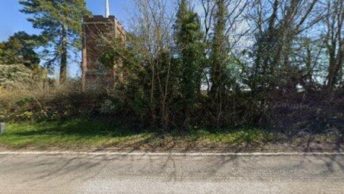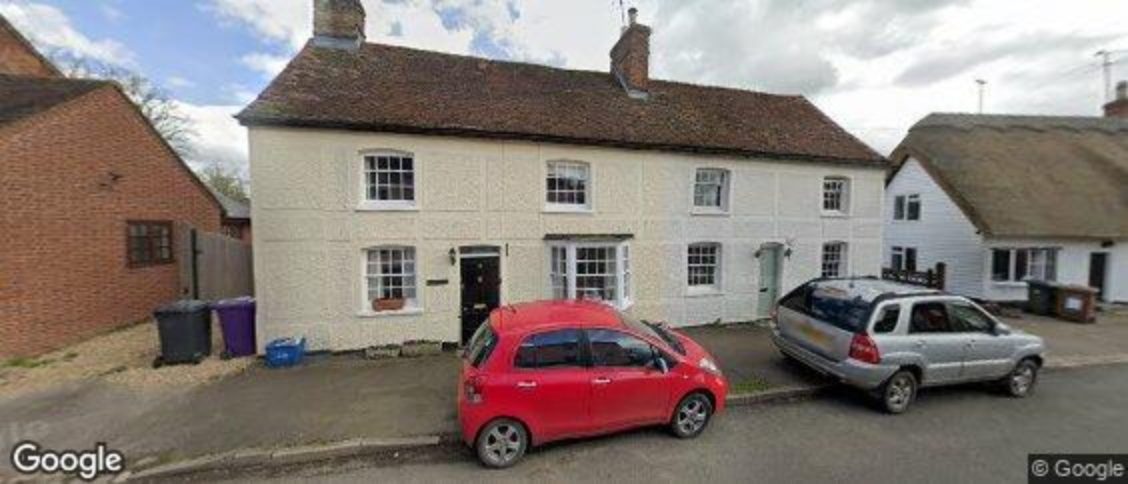
Barkway is a small, historic village in North Hertfordshire, situated around four miles southeast of Royston. It’s often described by locals as a quintessential English village with a strong community spirit, though its small size means amenities are limited. The village tends to attract those seeking rural tranquility over urban convenience, with its quiet streets and picturesque surroundings winning fans among retirees and families alike.
The village sits along the ancient Icknield Way and boasts some impressive period properties, though the premium on these can make Barkway somewhat pricey compared to nearby alternatives. This article explores the reality of living in Barkway – from its impressive safety record and family-friendly atmosphere to its transport limitations and amenity offerings – to help you decide if this Hertfordshire village might be your perfect next home.
Is Barkway safe?
Barkway enjoys an enviable safety record, with crime rates substantially lower than the regional average. The village is considered one of the safer rural communities in Hertfordshire, with residents often commenting on the peace of mind that comes with living here.
Local residents rarely express concerns about crime, with the occasional incidents typically centered around specific areas like Church Lane and Chapel Close. The village’s strong community vigilance plays a significant role in maintaining its safety, with active neighborhood watch schemes and a genuine “look out for each other” mentality that’s increasingly rare in more urban settings.
As one local resident put it at a recent parish council meeting: “I’ve never felt unsafe walking around Barkway, even after dark. Everyone knows everyone, which makes a huge difference to how secure the place feels.”
Is Barkway a nice place to live for families?
Schools and Education
Families considering Barkway will find limited but quality educational options. Barkway VA Church of England First School serves as the village’s primary educational institution and maintains a ‘Good’ Ofsted rating. While not rated as ‘Outstanding’, the school benefits from small class sizes and a nurturing environment that many parents value over statistical achievements.
For additional options, families often look to nearby Reed First School and Barley Church of England First School, both also rated ‘Good’. However, it’s worth noting that competition for places can be fierce, especially for families living on the outskirts of catchment areas. Secondary education requires traveling outside the village, with most students heading to Royston or further afield.
Family Activities and Facilities
Barkway offers a modest but adequate selection of family-friendly facilities. The Barkway Recreational Ground provides a pleasant outdoor space for children to play, though it’s not as extensively equipped as parks in larger towns. The village compensates with a calendar of community events throughout the year, including the famous Barkway Market, a traditional event dating back to the 13th century that now runs as an annual May bank holiday celebration.
School holidays see additional activities organized by the community, from nature walks to craft sessions at the village hall. While not offering the range of structured activities you’d find in a larger town, many families appreciate the freedom and safety that allows children to enjoy old-fashioned outdoor play and exploration.
Is Barkway expensive?
There’s no sugar-coating it – Barkway commands premium prices compared to some neighboring villages. With an average property price of around £505,000 over the past year, it sits firmly in the upper bracket for North Hertfordshire. Detached properties, which dominate the village’s housing stock, averaged around £520,000, while semi-detached homes sold for approximately £450,000.
The village center, with its attractive period properties and conservation area status, tends to be the most expensive part of Barkway. Properties along High Street, particularly the Georgian and Victorian homes, command the highest premiums. The newer developments on the outskirts offer slightly better value, though still at prices that reflect the village’s desirability.
The rental market in Barkway is extremely limited, with properties rarely becoming available. This scarcity drives rental prices up when opportunities do arise, making nearby Royston a more practical option for those looking to rent before buying.
For those finding Barkway prices prohibitive, nearby villages like Barley and Reed offer similar rural charm at slightly lower price points, while Royston provides substantially more property for your money if you’re willing to sacrifice the village lifestyle.
What transport links are there?
Transport is perhaps Barkway’s Achilles’ heel. The village has no railway station, with the nearest being Royston (approximately 4 miles away). This makes car ownership virtually essential for residents – a fact reflected in the high proportion of multi-car households in the village.
Bus services are limited, with routes connecting to Royston running only a few times per day and reduced services at weekends. The 331 service provides the main connection, but frequency issues mean it’s not reliable for daily commuting unless your schedule is flexible.
Road connections are decent, with the A10 providing access to Cambridge (approximately 15 miles north) and London (roughly 45 miles south). Most commuters drive to Royston station for train services to Cambridge (15 minutes) or London King’s Cross (40 minutes on fast services).
Cycling is popular among locals for recreational purposes, but the narrow country roads and lack of dedicated cycle paths make it less practical for regular commuting, especially during winter months.
What amenities are available in Barkway?
Barkway offers a basic selection of amenities that serve day-to-day needs, though residents typically travel to Royston for more substantial shopping. The village maintains a traditional feel, with independent businesses rather than chain stores.
The Barkway Social Club serves as both a community hub and the village’s only drinking establishment. It’s a friendly, unpretentious venue that hosts regular events from quiz nights to darts competitions. The lack of a proper pub is sometimes noted as a disappointment by newcomers, though the Social Club fills this gap admirably for most residents.
Healthcare facilities within the village are limited to visiting services, with residents needing to travel to Royston for GP appointments and further afield to Cambridge or Stevenage for hospital care. The village does benefit from a veterinary practice, which is convenient for the many pet owners in this rural community.
The village hall serves as a focal point for community activities, hosting everything from parish council meetings to yoga classes and coffee mornings. The Post Office operates from here on a part-time basis, providing essential services that help maintain the village’s independence.
What is the surrounding outdoor area like?
The countryside surrounding Barkway is one of its greatest assets. The village sits within the chalk hills of North Hertfordshire, offering beautiful rolling landscapes and extensive walking opportunities. The ancient Icknield Way passes close to the village, providing a historic route for walkers keen to explore the area’s rich heritage.
Barkway Pond is a charming local feature that attracts wildlife enthusiasts, while Barkway Chalk Pit offers an interesting geological site for those interested in natural history. The surrounding farmland creates a patchwork of fields that change with the seasons, from vibrant yellows when the rapeseed blooms to rich browns during harvest time.
The village’s rural setting means light pollution is minimal, making it a good spot for stargazing. Local astronomy enthusiasts often gather for informal observing sessions during clear nights, taking advantage of the dark skies that are increasingly rare in the Home Counties.
For more formal outdoor recreation, residents typically travel to Therfield Heath near Royston, which offers extensive open space, woodland walks and spectacular views across Hertfordshire and Cambridgeshire.
So, what’s the verdict?
Barkway offers a genuine slice of rural English village life that’s becoming increasingly rare within commutable distance of London. Its strengths lie in its safety, community spirit, historic character and beautiful surroundings. For families, the good local primary school and safe environment make it an attractive option, despite the limited amenities.
However, the village isn’t without its challenges. The high property prices, limited transport options and scarcity of amenities mean it won’t suit everyone. Those who value convenience, extensive shopping options or a vibrant nightlife would likely find the village too quiet and isolated.
Barkway works best for those who either work from home, are retired, or don’t mind the daily commute to larger towns. It’s a place where community still matters, where you’ll know your neighbors, and where the pace of life remains reassuringly unhurried in an increasingly frenetic world.
What are the alternatives?
If Barkway appeals in principle but doesn’t quite tick all your boxes, several alternatives worth considering lie nearby. Royston offers substantially more amenities, better transport links and lower property prices, though it lacks Barkway’s village charm and community feel. It’s a practical compromise that many make, especially families needing easier access to secondary schools.
The nearby villages of Barley and Reed share many of Barkway’s positive attributes but with subtle differences. Barley benefits from a proper village pub (The Fox & Hounds) and tends to be slightly less expensive, while Reed is even smaller and quieter than Barkway but offers a similar community spirit.
For those drawn to the area but needing better transport links, villages along the Cambridge-London rail line such as Meldreth and Shepreth offer rural living with more practical commuting options, though property prices reflect this advantage.
Ultimately, Barkway represents a particular vision of English village life – traditional, community-focused and pleasantly removed from urban bustle. For those who share this vision and can accommodate its limitations, it offers a quality of life that many find deeply satisfying.