Barwick is a small hamlet located in East Hertfordshire, within the parish of Standon. Often overlooked in favour of its larger neighbours, this tiny settlement offers a distinctly rural lifestyle that might appeal to those seeking peace and quiet away from the hustle and bustle. This article explores what life is actually like in Barwick, examining everything from safety and schools to property prices and amenities. It’s worth noting straight away that Barwick is exceptionally small – so small that it barely registers on many maps – which brings both advantages and limitations for potential residents.
Is Barwick safe?
Barwick’s tiny size means it rarely features in crime statistics as a distinct area. The hamlet itself experiences very little crime due to its remote nature and small population. Most residents describe it as “incredibly peaceful” – the sort of place where everyone knows everyone else.
Crime data for the broader area shows rates at about 40% of the regional average, which is reassuringly low. The few incidents that do occur tend to be concentrated around Gore Lane, with anti-social behaviour making up the majority of reported issues. Given the hamlet’s isolation and close-knit community, serious crime is practically unheard of, making Barwick one of the safer places to live in Hertfordshire.
Is Barwick a nice place to live for families?
Barwick presents a curious case for families. On one hand, it offers idyllic countryside living with fresh air and space for children to roam. On the other hand, its tiny size means facilities specifically for children are virtually non-existent within the hamlet itself.
Parks and family activities
Families in Barwick won’t find traditional playgrounds or parks within the hamlet proper. Instead, the surrounding countryside becomes the playground, with fields, woodlands and the Rib River offering natural recreational spaces. Local parents often comment that “the whole countryside is our playground,” though this rural charm comes with the trade-off of needing to travel for organised activities or formal play areas.
During school holidays, families typically head to nearby larger settlements for structured activities. The lack of organised clubs or activities within Barwick itself means parents must be prepared to drive children to neighbouring towns for sports clubs, swimming lessons or other extracurricular pursuits.
Schools
Education is perhaps the biggest challenge for families considering Barwick. The hamlet has no schools of its own, necessitating travel to nearby towns and villages. While Hertfordshire boasts some excellent educational institutions, including six Outstanding-rated primary schools in the wider area, none are in Barwick itself.
Primary options like Abacus Belsize, Abbey Mead, and Abbeymead (all rated Outstanding) require travel, and securing places can be competitive due to catchment area restrictions. For secondary education, options like Abbey College and Abbey Grange Church of England Academy (both rated Good) similarly require commuting. Parents in Barwick frequently mention the school run as one of the less convenient aspects of hamlet life, with most families needing at least one car specifically for education-related transport.
Is Barwick expensive?
Property in Barwick comes at a premium, with an overall average price of £565,000 over the last year – significantly higher than many surrounding areas. This reflects the “rural premium” that often applies to picturesque, quiet hamlets with limited housing stock.
Detached properties dominate the market, selling for an average of £790,000, while semi-detached homes go for around £475,000 and the few terraced properties changing hands fetch approximately £400,000. The hamlet’s limited housing stock means properties rarely come to market, creating additional pressure on prices when they do.
The rental market in Barwick is extremely limited, with just a handful of properties typically available at any time. A three-bedroom detached house might command around £1,800 monthly, while one-bedroom flats (rare in this rural setting) go for about £900. Studio apartments, when available, rent for approximately £750 per month.
For those seeking more affordable options, nearby Standon or Puckeridge offer better value, though they lack the extreme rural tranquility that draws people to Barwick. Ware itself provides significantly more housing options across all price brackets, with the trade-off being a more urban environment.
What transport links are there?
Transport is undoubtedly Barwick’s Achilles’ heel. Public transport is virtually non-existent in the hamlet itself, with residents entirely dependent on private vehicles. The nearest bus routes run through larger neighbouring settlements, and services are infrequent at best.
Road access is via narrow country lanes that can be challenging in winter weather. The A10 is accessible with a short drive, providing routes to Ware, Cambridge and London, though rush hour congestion can be significant. Most residents commuting to London drive to Ware station rather than attempting to rely on local bus services.
The lack of transport options makes Barwick unsuitable for non-drivers or those who prefer public transport. As one local resident put it, “You don’t move to Barwick if you don’t like driving – it’s as simple as that.”
What amenities are available in Barwick?
In terms of amenities, Barwick offers practically nothing within its boundaries. There are no shops, pubs, restaurants, or healthcare facilities in the hamlet itself. The nearest amenities are found in surrounding villages and towns, with Standon and Puckeridge offering basic services and Ware providing a fuller range of options.
Residents speak of this lack of amenities as both Barwick’s greatest drawback and its charm. “You move here for what isn’t here, not for what is,” explained one long-term resident. The absence of street lights, traffic, and commercial establishments creates a peaceful environment that appeals to those specifically seeking rural isolation.
For everyday shopping, healthcare appointments or social outings, residents must travel. Most families do a weekly shop at supermarkets in Ware or Bishop’s Stortford rather than attempting to use more limited local options.
What is the surrounding outdoor area like?
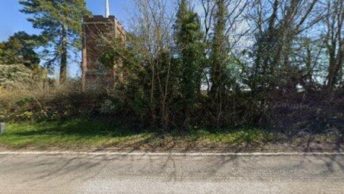
The outdoor environment is Barwick’s strongest selling point. The hamlet sits in beautiful Hertfordshire countryside with the River Rib flowing nearby, offering picturesque walks and abundant wildlife. The landscape features gentle hills, ancient hedgerows and scattered woodlands, creating a quintessentially English rural scene.
Walking routes criss-cross the area, with footpaths leading through farmland and connecting to other small settlements. The river provides opportunities for fishing and riverside rambles, particularly popular during summer months. Nature enthusiasts appreciate the diverse bird population and occasional glimpses of deer and other wildlife.
Unlike more manicured countryside near larger towns, Barwick’s surroundings feel authentic and working – this is genuine agricultural land rather than landscaped parkland. For those who value natural beauty and tranquility above convenience, the outdoor environment represents Barwick’s most compelling feature.
So, what’s the verdict?
Barwick offers an extremely specific lifestyle that will enchant some and horrify others. For those seeking absolute rural tranquility, minimal light pollution, and escape from modern life’s constant buzz, the hamlet provides a genuine retreat. The safety, beautiful surroundings and close-knit community create a distinctive quality of life that dedicated countryside lovers will treasure.
However, the complete lack of amenities, poor transport links, and limited school options make it impractical for many families, particularly those with teenagers or without reliable private transport. The high property prices further restrict its appeal to those with substantial budgets.
Barwick isn’t for everyone – indeed, it’s for very few people. But those few who prioritise rural seclusion over convenience might find it offers exactly what they’re seeking.
What are the alternatives?
Those drawn to Barwick’s rural charm but concerned about its limitations might consider several alternatives. Standon and Puckeridge offer similar countryside settings but with basic amenities and slightly better transport connections. Property prices tend to be somewhat lower than Barwick, making them more accessible options.
For those requiring more amenities while maintaining a semi-rural feel, the outskirts of Ware provide an interesting compromise. Here, residents can access shops, schools and transport links while still enjoying countryside views and walks.
Further afield, villages like Much Hadham and Little Hadham offer picturesque settings with more facilities than Barwick, though property prices remain high. For those prioritising value, looking further north toward Buntingford might yield more affordable options while maintaining a rural Hertfordshire location.