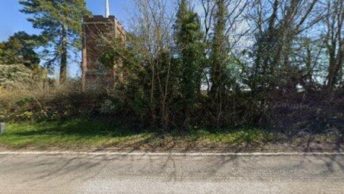
Blackmore End sits tucked away in rural Hertfordshire, just a few miles from St Albans and Harpenden. This small hamlet offers a distinctly different pace of life compared to its more urban neighbours. For those considering a move to the countryside while maintaining reasonable access to larger towns, Blackmore End presents an interesting proposition. The following explores everything from safety and schools to property prices and local amenities, providing potential residents with the information needed to make an informed decision about life in this rural community.
Is Blackmore End safe?
The safety record in Blackmore End stands as one of its strongest selling points. Crime rates here fall significantly below the regional average, creating a sense of security that residents frequently mention when discussing their community.
Local residents often leave doors unlocked during the day – a practice unheard of in nearby St Albans or Harpenden. The handful of incidents that do occur tend to be concentrated around specific streets like Lloyd Way, with public order offences being the most common issue. Even these are relatively minor and infrequent by Hertfordshire standards.
The local Neighbourhood Watch scheme remains particularly active, with monthly meetings at the village hall that double as social gatherings. As one resident commented at a recent parish council meeting, “We look out for each other here – it’s part of what makes Blackmore End special.”
Is Blackmore End a nice place to live for families?
Families considering Blackmore End face a mixed proposition. The hamlet itself offers a peaceful, community-oriented environment, but certain practicalities require consideration.
Schools
Blackmore End itself doesn’t host any schools, meaning children must travel to neighbouring areas for education. This creates both challenges and opportunities. Several outstanding primary schools lie within reasonable distance, including Crabtree Infants’ School, Crabtree Junior School, and High Beeches Primary School, all located in Harpenden rather than Blackmore End itself.
For secondary education, Sir John Lawes School (Outstanding) and Katherine Warington School (Good) provide quality options, though again, these require travel from Blackmore End. The school run becomes an unavoidable part of daily life for families here.
Competition for places can be fierce, particularly for the outstanding-rated schools. Local parents often find themselves navigating complex catchment area requirements, with some families moving specifically to secure places at preferred schools. The lack of schools within Blackmore End itself means parents must factor transportation logistics into their educational planning.
Family Activities
Where Blackmore End truly shines for families is in outdoor activities. The hamlet borders extensive countryside with well-maintained walking paths suitable for children of all ages. The local pond becomes a focal point for families during summer months, with impromptu gatherings forming around picnics and duck-feeding.
The annual summer fête in July brings the community together, featuring traditional games, local food stalls, and activities specifically designed for children. However, families seeking structured activities like swimming lessons or sports clubs generally travel to Harpenden or St Albans, as Blackmore End lacks dedicated recreational facilities.
Is Blackmore End expensive?
There’s no sugarcoating it – Blackmore End commands premium prices. With an average property price of £895,000 over the past year, it sits firmly in the upper echelon of Hertfordshire housing markets. Detached properties, which dominate local sales, fetch around £1,110,000, while semi-detached homes average £695,000. Even terraced properties, the most affordable option, typically sell for £445,000.
The western side of Blackmore End, with its larger plots and views across open countryside, tends to command the highest prices. Properties along Blackmore End Lane particularly reflect this premium, often selling well above asking price when they (rarely) come to market.
The rental market remains extremely limited, with only a handful of properties available at any given time. When rentals do appear, expect to pay around £2,750 for a four-bedroom detached house or £1,500 for a two-bedroom property. The scarcity drives these prices higher than equivalent properties in more urban locations.
For those seeking similar rural charm at slightly lower prices, nearby Wheathampstead offers a viable alternative, with average property prices approximately 15% lower than Blackmore End while still providing countryside living.
What transport links are there?
Transport represents Blackmore End’s most significant challenge. The hamlet operates on the assumption that residents own cars – there’s simply no getting around this reality.
Public transport options are severely limited. The 657 bus service runs through Blackmore End to Harpenden and St Albans, but with infrequent service that typically ends early evening. The last bus from St Albans returns around 6:30pm on weekdays, making evening outings by public transport essentially impossible.
The nearest train stations are in Harpenden (approximately 3 miles away) and St Albans (about 5 miles), both offering direct services to London St Pancras in around 30 minutes. However, reaching these stations requires either driving or coordinating with the limited bus schedule.
Road connections fare better, with easy access to the A1(M) and M1 motorways within 15 minutes’ drive. The countryside roads around Blackmore End, while picturesque, can become challenging during winter weather, with limited gritting services compared to major routes.
What amenities are available in Blackmore End?
Blackmore End offers a deliberately pared-back selection of amenities, reflecting its rural character. The hamlet centres around The Crooked Chimney pub, a 16th-century establishment serving decent food and functioning as the community’s social hub. Sunday roasts here have developed something of a local reputation, drawing visitors from surrounding villages.
Beyond the pub, practical amenities within Blackmore End itself are sparse. There’s no shop, post office, or healthcare facility within the hamlet boundaries. Residents typically drive to Harpenden or Wheathampstead for daily shopping needs.
A small gym operates from converted farm buildings on the hamlet’s edge, offering basic facilities and classes three times weekly. For more comprehensive fitness options, residents travel to larger facilities in Harpenden.
This lack of amenities represents either Blackmore End’s greatest drawback or its most charming aspect, depending entirely on one’s perspective and lifestyle requirements.
What is the surrounding outdoor area like?
The surrounding countryside provides Blackmore End’s most compelling attraction. The hamlet sits within the Chilterns Area of Outstanding Natural Beauty, with numerous footpaths radiating outward into protected landscapes.
Nomansland Common lies just north of Blackmore End, offering 50 hectares of open heath and woodland crisscrossed by walking trails. The ancient woodland of Heartwood Forest stretches to the east, featuring newly planted areas alongside centuries-old trees.
The River Lea’s upper reaches can be accessed via a pleasant 30-minute walk from the hamlet centre, offering riverside paths that eventually connect to the broader Lea Valley Walk. Local residents particularly recommend the circular route from Blackmore End through Gustard Wood and back – a 7-mile walk taking in varied landscapes and two excellent pubs.
During bluebell season (late April to early May), the woods surrounding Blackmore End transform dramatically, drawing photographers and nature enthusiasts from across Hertfordshire.
So, what’s the verdict?
Blackmore End offers a distinctive proposition: genuine rural living within commutable distance of London. For those seeking peace, natural beauty, and a close-knit community, the hamlet delivers admirably. The exceptional safety record and outstanding surrounding countryside represent clear strengths.
However, potential residents must honestly assess whether they can adapt to the practical limitations. The lack of amenities, dependence on private transport, and premium property prices create significant barriers. Families must particularly consider the school commute and limited local activities for children.
Blackmore End suits those who value tranquility over convenience – residents who appreciate returning to quiet lanes after busy workdays in London or St Albans. It’s not for everyone, but those who match its particular character often develop deep attachments to this hidden corner of Hertfordshire.
What are the alternatives?
Several nearby locations offer variations on Blackmore End’s rural charm, each with different balances of convenience and character.
Wheathampstead provides more amenities (including shops, pubs, and a primary school) while maintaining a village atmosphere, though property prices remain high. The community feels more established and less exclusive than Blackmore End.
Kimpton offers similar rural seclusion but with better local services, including a well-regarded primary school and village shop. Property prices typically run 10-15% lower than Blackmore End, reflecting its slightly less convenient location for commuters.
For those requiring more convenient transport links while maintaining countryside access, the outskirts of Harpenden (particularly the northern edges) provide a compromise, though with substantially higher traffic volumes and less community cohesion than found in Blackmore End.