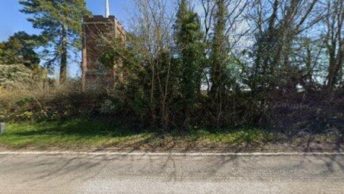
Dane End is a small, quiet hamlet tucked away in rural Hertfordshire, offering a stark contrast to the hustle and bustle of nearby St Albans. The general consensus among locals is that it’s a peaceful place to live, with a strong community feel but limited amenities. It’s one of those villages where everybody knows your name – for better or worse. The tiny settlement provides a genuine countryside experience, but this comes with trade-offs in terms of convenience and accessibility.
This article digs into what life is really like in Dane End, exploring everything from crime rates to property prices. Spoiler alert: if you’re after rural tranquility and don’t mind driving for a pint or a pint of milk, Dane End might be right up your street. If you need urban conveniences on your doorstep, you might find yourself feeling isolated.
Is Dane End safe?
Dane End boasts significantly lower crime rates than the regional average, making it one of the safer spots in Hertfordshire. The hamlet’s small size and tight-knit community contribute to this safety record. Most locals report feeling perfectly secure walking around at any time of day or night.
The occasional issues that do arise tend to be concentrated around specific areas like Gladstone Road, where anti-social behaviour sometimes occurs. Church Lane and Easington Road also see the odd incident, but nothing that would raise eyebrows compared to nearby towns. As one local put it, “The biggest crime here is Mrs. Jenkins’ questionable garden gnome collection.”
The village’s remote location means police response times can be longer than in urban areas, but this rarely proves problematic given the low incidence of serious crime. Many residents don’t even bother locking their doors during the day – though this isn’t recommended regardless of how safe an area might be.
Is Dane End a nice place to live for families?
Families considering Dane End will find a mixed picture. The village offers a safe, community-oriented environment where children can experience a traditional country childhood, but educational options and activities require some compromises.
Schools
Little Munden Church of England Primary School is the closest educational establishment, rated ‘Good’ by Ofsted. It’s a small village school with around 100 pupils, offering an intimate learning environment where teachers know every child personally. Parents praise its community feel and dedicated staff, though some note that resources can be limited compared to larger schools.
For secondary education, families must look to nearby towns like Ware or Hertford. This means daily travel for teenagers, with most relying on school buses or parental lifts. The lack of walkable secondary options is a significant consideration for families with older children.
Family Activities
Dane End itself offers limited structured activities for children, with no dedicated playgrounds within the hamlet boundaries. However, the surrounding countryside provides natural play spaces, with fields, woodland walks, and bridleways perfect for outdoor adventures.
Families typically drive to neighbouring villages and towns for organised activities, sports clubs, and entertainment. The local community occasionally arranges events at the village hall, but these are sporadic rather than regular fixtures in the calendar.
Is Dane End expensive?
Property in Dane End commands premium prices, reflecting its desirable rural location and the Hertfordshire premium. With an overall average price of £645,000 last year, it’s considerably pricier than many nearby villages, though still more affordable than St Albans.
Terraced properties dominate the limited market, typically changing hands for around £635,000. The handful of flats available provide a more accessible entry point at approximately £320,000, while semi-detached homes fetch upwards of £820,000. The housing stock is predominantly character properties, with few new builds available.
The rental market is extremely limited, with only a handful of properties available at any time. A three-bedroom semi-detached house typically commands around £2,350 per month, while one-bedroom flats go for approximately £1,150. This scarcity drives prices higher than in more populated nearby areas.
For those seeking more affordable options, villages like Watton-at-Stone or Benington offer similar rural charm at slightly lower price points, though they remain firmly in the expensive category by national standards.
What transport links are there?
Transport is Dane End’s Achilles’ heel. Public transport options are severely limited, with infrequent bus services connecting to Hertford and Ware. Most services run only a few times per day, making them impractical for regular commuting or spontaneous trips.
Car ownership is essentially mandatory for Dane End residents. The hamlet sits approximately 5 miles from Ware and 7 miles from Hertford, with narrow country lanes forming the primary road connections. In winter, these routes can become challenging, with ice and occasional flooding creating hazards.
Commuters to London typically drive to Ware or Hertford station, then take the train to Liverpool Street or Moorgate. Door-to-door, this journey takes approximately 1.5 hours, making it feasible but demanding. Some residents report using Stevenage station for faster connections to King’s Cross.
Cycling is popular among fitness enthusiasts but less practical for everyday transport due to the distances involved and the nature of the country roads.
What amenities are available in Dane End?
Dane End’s amenities are sparse, reflecting its small size and rural character. Dane End Stores serves as the village’s sole shop, offering basic groceries and essentials. It doubles as a community hub where locals catch up on village gossip while picking up bread and milk. The shop’s opening hours can be limited, particularly on Sundays.
The hamlet has a Post Office service, operating from the village store on certain days of the week. This provides valuable basic banking services and postal facilities, saving residents trips to larger settlements for these necessities.
Notably absent are pubs, restaurants, or cafés – a significant drawback for those who enjoy socialising locally. The nearest pub is in a neighbouring village, requiring a drive or a substantial walk across fields. Healthcare facilities are similarly absent, with residents travelling to Ware or Hertford for GP services and further afield for hospitals.
The village hall hosts occasional community events, from parish council meetings to seasonal celebrations, providing some local entertainment and social opportunities.
What is the surrounding outdoor area like?
The countryside surrounding Dane End represents its greatest asset. The hamlet is enveloped by classic Hertfordshire landscapes – gently rolling farmland interspersed with ancient woodland and crisscrossed by public footpaths and bridleways.
Youngsbury Park offers pleasant walks, while Thunderfield Grove provides atmospheric woodland rambles. The River Rib valley creates scenic routes perfect for Sunday strolls or more ambitious hikes. Dog owners particularly appreciate the abundance of walking options directly from their doorsteps.
Wildlife is abundant, with residents reporting regular sightings of deer, foxes, badgers, and a variety of bird species. The changing seasons are vividly displayed across the surrounding fields and woods, from spring bluebells to autumn colours.
Golfers can enjoy the nearby Hertfordshire Golf Club, while horse riders benefit from numerous bridleways. For more formal outdoor recreation, residents typically travel to larger settlements with parks and sports facilities.
So, what’s the verdict?
Dane End offers an authentic slice of rural Hertfordshire life that will appeal to a specific type of resident. Those seeking peace, natural beauty, and a close-knit community will find much to love in this tiny hamlet. The excellent safety record and surrounding countryside provide a particularly appealing environment for those looking to escape urban pressures.
However, the limited amenities, transport challenges, and high property prices create significant drawbacks. Daily life requires planning and vehicle ownership, with spontaneous outings or emergency dashes for forgotten ingredients nearly impossible without a car. Families with teenagers might find the location particularly restrictive, given the lack of independent mobility options for young people.
In essence, Dane End works best for those who prioritise tranquility over convenience – retired couples, work-from-home professionals, or families with young children who don’t mind driving for activities and schooling.
What are the alternatives?
Those drawn to Dane End’s rural charm but concerned about its limitations might consider several alternatives in the vicinity. Watton-at-Stone offers a similar village atmosphere but with better amenities, including a train station with direct services to London, a pub, and more extensive local shops.
Benington provides comparable countryside surroundings with the addition of a well-regarded pub and the famous Benington Lordship Gardens. Property prices tend to be slightly lower than in Dane End, though still firmly in the premium bracket.
For those requiring more facilities while maintaining a semi-rural feel, the outskirts of Ware or Hertford provide an effective compromise. These market towns offer comprehensive amenities, excellent transport links, and good schools, with countryside access still readily available.
Ultimately, the decision depends on where individual priorities lie on the spectrum between rural seclusion and urban convenience – Dane End sits firmly at the rural end of this continuum, with all the advantages and disadvantages that entails.