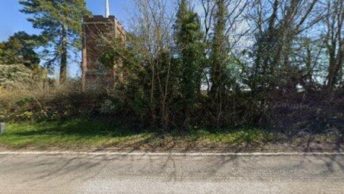
Digswell sits as a somewhat overlooked gem in Hertfordshire, tucked between the more prominent areas of Welwyn Garden City and Knebworth. This small village, distinguished by its impressive railway viaduct and semi-rural character, has developed a reputation as an upmarket residential pocket that offers a quieter alternative to its busier neighbours.
Local opinion generally holds Digswell in high regard, with residents praising its community feel and relative tranquility. However, it’s not without its challenges – astronomical property prices put it beyond many budgets, public transport is limited beyond the train station, and amenities within the village itself are sparse. This article digs beneath the polished surface to reveal whether Digswell truly deserves its desirable status or if house-hunters might be better served looking elsewhere.
Is Digswell safe?
Safety rarely features as a concern when locals discuss Digswell. The village maintains a reputation for being secure and peaceful, with crime levels that would make most urban dwellers envious. The tight-knit community tends to keep an eye out for anything unusual, creating an informal neighbourhood watch atmosphere.
The crime data supports this perception, with most reported incidents occurring around Node Way Gardens and the petrol station areas, which technically fall within the broader Welwyn Garden City statistics rather than Digswell proper. Shoplifting makes up a significant portion of these crimes, with the village itself experiencing minimal issues. The semi-rural setting and lack of town centre amenities likely contribute to the lower crime rates compared to neighbouring towns.
Is Digswell a nice place to live for families?
Digswell has traditionally attracted families seeking a village environment with good connections to London and Cambridge. The area offers a peculiar mix of semi-rural charm and commuter convenience that particularly appeals to those with school-aged children.
Parks and Recreation
The village isn’t overflowing with dedicated playgrounds, though nearby Haldens Playground provides a decent option for younger children. Harwood Park offers green space for recreational activities, and the surrounding countryside provides ample opportunity for family walks. The annual Digswell fete brings the community together, though regular organised family activities within the village itself are somewhat limited compared to larger towns.
Schools
Education is one area where Digswell’s position becomes slightly complicated. The village itself doesn’t host any schools rated as outstanding, but several good options are within reasonable distance. St John’s CofE Primary and Harwood Hill Junior Mixed Infant and Nursery School both hold ‘Good’ Ofsted ratings, as does Waterside Academy.
For secondary education, Monk’s Walk School (rated ‘Good’) serves many Digswell families. However, parents should be aware that catchment areas can be competitive, and securing places at preferred schools isn’t guaranteed. Many families move specifically for school catchment, which partly explains the premium on house prices in certain parts of the village.
Is Digswell expensive?
There’s no sugar-coating it – Digswell ranks among the priciest areas in Hertfordshire. With an overall average property price of £1,045,000 last year, it’s firmly in the premium bracket. Detached properties, which dominate the most desirable parts of the village, commanded an eye-watering average of £1,600,000.
The area around Digswell Park Road and Harmer Green Lane represents the upper end of the market, with substantial properties set in generous plots. The eastern side of the village, closer to the railway line, offers slightly more affordable options, with semi-detached homes selling for around £690,000 and the rare terraced property fetching approximately £435,000.
The rental market in Digswell is extremely limited, with very few properties becoming available. When rentals do appear, they command premium prices – a standard three-bedroom maisonette typically asks around £1,600 monthly, while larger detached homes can reach £4,500 or more. Many prospective tenants end up looking to nearby Welwyn Garden City or Knebworth for greater choice and marginally better value.
What transport links are there?
Digswell’s transport situation is a tale of two halves. On one hand, Welwyn North station (despite its name, located in Digswell) offers excellent rail connections, with trains reaching London King’s Cross in approximately 30 minutes and Cambridge in about 40 minutes. This railway service forms the backbone of the village’s commuter appeal and partly justifies the property premium.
Road connections are similarly convenient, with easy access to the A1(M) providing routes north and south. The nearby A414 offers east-west connections across Hertfordshire.
The downside comes with local public transport. Bus services are limited and infrequent, making car ownership practically essential for most residents. This dependence on private vehicles can be problematic for teenagers, elderly residents, or anyone unable to drive, creating a sense of isolation for some.
What amenities are available in Digswell?
Digswell offers a modest selection of amenities that cover basic needs but fall short of comprehensive. The village operates more as a residential area than a self-contained community with full services.
Food shopping options are limited to convenience stores like Welwyn North Stores and the Co-op at Shoplands Parade (technically in neighbouring Welwyn Garden City). Residents typically travel to larger supermarkets in Welwyn Garden City or Knebworth for weekly shops.
The dining scene is similarly restricted, with just a handful of options including Hakalok Restaurant and Hoy Che for takeaway. The Deli Stop provides coffee and light bites, but serious foodies will need to venture further afield. The Cowper Arms pub represents the social heart of the village, offering decent food and a traditional atmosphere.
For healthcare, residents have access to a local pharmacy and doctor’s surgery, though specialist services require travel to larger towns. A small gym provides fitness options, and several hair salons cater to personal grooming needs.
What is the surrounding outdoor area like?
The countryside setting represents one of Digswell’s strongest assets. The village is surrounded by green belt land, offering beautiful landscapes and walking opportunities. Haldens Park provides managed green space, while numerous footpaths connect to the wider countryside.
The area around Stonemead offers particularly pleasant walks, and the impressive railway viaduct creates a distinctive local landmark. Keen walkers appreciate the network of paths extending toward Hertford and St Albans, allowing for extensive countryside exploration without driving.
The nearby Sherrardspark Wood offers ancient woodland to explore, while golf enthusiasts have several courses within easy reach, including Welwyn Garden City Golf Club.
So, what’s the verdict?
Digswell offers a distinctive proposition: a genuine village atmosphere with excellent commuter connections but at a substantial premium. For those who can afford it, the combination of countryside living, community feel, decent schools and fast London trains creates an undeniably attractive package.
However, prospective residents should honestly assess whether the limited local amenities and high property costs represent good value. The village works best for commuters who spend weekdays in cities but want rural tranquility at weekends, families focused on school catchment, or those seeking a quieter pace of life without complete isolation.
The reality is that Digswell demands significant financial compromise for its lifestyle benefits. Those needing comprehensive local amenities or seeking value for money might find themselves disappointed.
What are the alternatives?
Those drawn to Digswell but balking at the prices might consider nearby Welwyn, which offers more amenities and a similar village character at slightly lower prices. Knebworth provides comparable rail connections with a broader housing mix.
For better value with similar countryside access, villages like Datchworth or Tewin offer rural charm without the railway premium, though commuting becomes more complicated. Meanwhile, parts of Welwyn Garden City itself provide more facilities and diverse housing at lower price points, particularly in areas like Handside.
Hatfield represents a significantly more affordable alternative with excellent transport links, though it lacks Digswell’s village character and exclusivity. For those prioritising countryside living above commuting convenience, villages further north in Hertfordshire often provide better value while maintaining rural charm.