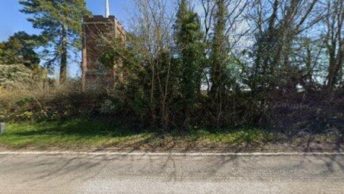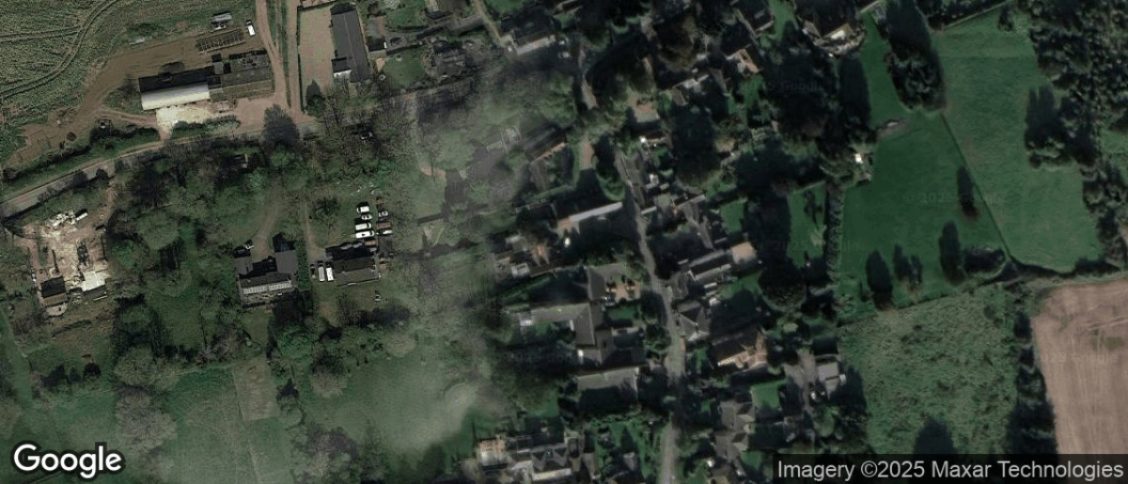
Great Hormead is a tiny rural parish situated in East Hertfordshire, just a few miles from Buntingford. This quintessential English village offers the archetypal countryside experience – tranquil, picturesque and decidedly sleepy. For those seeking escape from urban chaos, Great Hormead presents an idyllic retreat. However, potential residents should be aware that such rural charm comes with inevitable trade-offs – limited amenities, transportation challenges, and property prices that reflect its desirable location in the Hertfordshire countryside.
The village itself centres around its historic church and scattered period properties, with newer developments appearing sparingly over the years. While offering genuine rural character, Great Hormead demands a certain lifestyle adjustment for those accustomed to urban conveniences. This article examines whether this pastoral setting truly delivers on its promise of countryside bliss.
Is Great Hormead safe?
Great Hormead enjoys remarkably low crime rates compared to both regional and national averages. The village’s small, close-knit community naturally contributes to this security, with residents typically knowing their neighbours and keeping an informal eye on the area.
Local residents often comment on the village’s safety as one of its primary appeals. The occasional instances of criminal damage or anti-social behaviour tend to be isolated and infrequent. The areas around The Chimneys and Willow Close have seen minor incidents, but nothing that would raise significant concerns for potential residents.
The local neighbourhood watch scheme operates actively, with community WhatsApp groups serving as informal security networks where residents alert each other to any suspicious activity. This community vigilance contributes significantly to the village’s overall sense of security and peace of mind.
Is Great Hormead a nice place to live for families?
Schools and Education
Families considering Great Hormead have immediate access to Hormead Church of England First School, rated ‘Good’ by Ofsted. This village school offers the advantages of small class sizes and a community-focused education, though parents should note that secondary education requires looking further afield.
Other nearby primary options include Anstey First School and Furneux Pelham Church of England School, both also rated ‘Good’. However, competition for places can be fierce, and catchment area considerations may impact admission chances, particularly for families living on the outskirts of Great Hormead.
For secondary education, most local children travel to Buntingford’s Freman College or schools in Bishop’s Stortford, necessitating daily transport arrangements. This educational commute is simply part of rural life here, with most families factoring this into their decision-making when moving to the area.
Family Activities and Facilities
Great Hormead offers limited dedicated children’s facilities within the village itself. The village green provides open space for informal play, and there’s a small playground, though it’s modest compared to larger settlements. The village hall occasionally hosts children’s activities and seasonal events, providing some local entertainment options.
Most families find themselves travelling to Buntingford or further afield for organised activities, sports clubs, and entertainment. This necessitates car ownership and represents the typical compromise of village life – spectacular countryside on your doorstep, but fewer structured activities within immediate reach.
Is Great Hormead expensive?
There’s no sugar-coating it – Great Hormead commands premium prices. With an average property price hovering around the £1 million mark over the past year, this village sits firmly at the upper end of the Hertfordshire market. This reflects both the desirability of its rural setting and the typically larger properties found here.
The housing stock primarily consists of detached period properties and farmhouses, with few starter homes available. The village’s conservation area status further enhances property values while limiting development opportunities. Those seeking more affordable options might consider the nearby market town of Buntingford, where a wider range of property types provides more entry-level possibilities.
The rental market in Great Hormead is practically non-existent, with very few properties becoming available. This scarcity drives prices upward when rental opportunities do arise, making neighbouring towns like Royston or Buntingford more realistic options for tenants.
What transport links are there?
Transport represents perhaps Great Hormead’s greatest challenge. The village has extremely limited public transport options, with infrequent bus services to Buntingford and Royston that aren’t practical for daily commuting. Car ownership is essentially mandatory for residents.
The nearest railway stations are at Royston (approximately 7 miles) and Ware (about 12 miles), offering connections to London King’s Cross and Liverpool Street respectively. Commuters typically drive to these stations, with journey times to London ranging from 38-55 minutes by train after reaching the station.
Road connections are reasonable, with the A10 providing access to Cambridge and London, though rush hour congestion can be significant. The rural roads around Great Hormead itself can be narrow and winding, occasionally challenging in winter weather conditions.
What amenities are available in Great Hormead?
Great Hormead offers minimal amenities within the village itself – a reality that potential residents must accept. There are no shops, pubs, restaurants or healthcare facilities in the immediate vicinity. The nearest conveniences are found in neighbouring Buntingford, requiring a short drive for even basic provisions.
Buntingford (approximately 3 miles away) provides essential services including small supermarkets, a pharmacy, GP surgery, and a selection of independent shops. For more comprehensive shopping, residents typically travel to Bishop’s Stortford, Royston, or Cambridge.
This absence of amenities reinforces Great Hormead’s character as a purely residential village. While some might find this limiting, others appreciate the resulting peace and lack of through-traffic that contributes to the village’s tranquil atmosphere.
What is the surrounding outdoor area like?
The countryside surrounding Great Hormead represents its greatest asset. The village is enveloped by classic Hertfordshire landscapes of gently rolling farmland, ancient woodlands, and winding hedgerow-lined lanes. The network of public footpaths provides endless walking opportunities directly from the village centre.
Nearby Hormead Hares provides access to more formal recreational spaces, while slightly further afield, Hatfield Forest offers extensive woodland exploration. The River Quin runs near the village, creating picturesque walking routes that change dramatically with the seasons.
Cyclists appreciate the quiet country lanes, though the undulating terrain provides a workout rather than leisurely riding. The area’s natural beauty represents the primary reason many residents choose Great Hormead, accepting the limited amenities as a fair exchange for this rural idyll.
So, what’s the verdict?
Great Hormead offers an authentic slice of rural English life that will enchant the right residents while potentially frustrating others. Those seeking peace, natural beauty, and escape from urban pressures will find much to love here. The outstanding safety record, quality primary education, and genuine community spirit create an appealing package for families willing to embrace country living.
However, the significant compromises cannot be ignored. The absence of amenities, limited public transport, and high property prices create barriers to entry and daily challenges. Car dependency is unavoidable, and those accustomed to urban conveniences will require adjustment.
Great Hormead suits those with sufficient resources who prioritise rural tranquillity over convenience – typically families with young children, successful professionals working remotely, and retirees. For these groups, the village offers exceptional quality of life, provided they enter with realistic expectations.
What are the alternatives?
Those drawn to the area but concerned about Great Hormead’s limitations might consider several alternatives. Buntingford itself offers a compromise position – a small market town with essential amenities while remaining surrounded by countryside. Property prices there typically run 20-30% lower than Great Hormead.
Nearby villages like Braughing and Westmill provide similar rural character but with the advantage of having village pubs and slightly better transport connections. For those requiring more comprehensive facilities while maintaining countryside access, Bishop’s Stortford combines excellent transport links with a full range of amenities, though at the cost of greater urbanisation.
Alternatively, villages along the train line such as Ashwell or Baldock offer better commuting options while retaining rural character, albeit with different landscape characteristics than Great Hormead’s quintessential Hertfordshire setting.