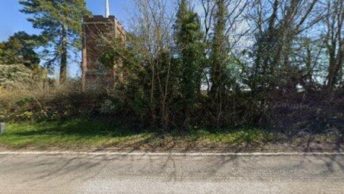
Hormead is a small rural parish in East Hertfordshire, comprising Great Hormead and Little Hormead. This sleepy countryside locale rarely features in mainstream discussions about desirable Hertfordshire locations, often overshadowed by its more prominent neighbour, Buntingford. The general consensus among locals is that Hormead offers quintessential English village life—peaceful, picturesque, and private—but with the notable drawbacks of limited amenities and relative isolation.
This article cuts through the estate agent waffle to examine whether Hormead truly delivers as a place to call home. Spoiler alert: it’s brilliant for those seeking rural tranquility with reasonable connections to larger towns, but absolutely dire for anyone craving convenience, nightlife, or public transport options.
Is Hormead safe?
The locals in Hormead barely bat an eyelid at the concept of crime—mainly because there’s precious little of it to discuss. When residents gather at neighbouring Buntingford’s pubs (since Hormead has none of its own), conversations about local misdemeanours typically revolve around escaped livestock rather than anything requiring police attention.
Crime statistics confirm what residents already know—Hormead enjoys crime rates substantially lower than the regional average. The occasional incidents tend to cluster around Worsted Lane, with a handful of burglaries reported, while Willow Close has seen some anti-social behaviour issues. Hall Lane occasionally features in police reports for minor thefts. Overall, safety concerns rank extremely low on the list of reasons not to move to Hormead—you’re more likely to be inconvenienced by a tractor blocking the lane than troubled by criminal activity.
Is Hormead a nice place to live for families?
Hormead presents a curious paradox for families. On one hand, it offers the idyllic countryside childhood that many parents dream of providing—open spaces, clean air, and a tight-knit community where everyone knows each other. On the other hand, the practical realities of raising children here require considerable planning and a reliable family car.
Family-friendly activities and facilities
Children in Hormead won’t find purpose-built playgrounds on every corner. Instead, they’ll discover the joys of actual countryside exploration—building dens in woodlands, blackberry picking along hedgerows, and cycling along quiet country lanes. The parish does maintain a small recreation ground, though it’s modestly equipped compared to facilities in larger settlements.
The village hall occasionally hosts community events like quiz nights, seasonal fairs, and children’s parties, providing important social touchpoints for local families. During school holidays, parents typically look to Buntingford or Royston for organised activities and clubs.
Education options
Education presents perhaps the biggest challenge for Hormead families. While Hertfordshire boasts some outstanding primary schools, the immediate Hormead area doesn’t host any of them. Parents often find themselves driving to schools in Buntingford, Braughing or further afield.
The good news is that several outstanding primary options exist within reasonable driving distance, though competition for places can be fierce. Schools like Abacus Belsize, Abbey Mead Primary Academy, and Abbeymead Primary School all carry Outstanding ratings, but parents should be aware that catchment areas play a significant role in admissions, and living in Hormead doesn’t guarantee entry to these top performers.
For secondary education, families typically look to institutions like Abbey College or Abbey Grange Church of England Academy, both rated Good but requiring significant travel. Most Hormead teenagers become well-acquainted with school bus routines or parental taxi services.
Is Hormead expensive?
Hormead commands premium prices for its rural charm and relative proximity to Cambridge and London. With an overall average property price of £530,000 last year, it sits comfortably above many Hertfordshire locations, though below the eye-watering figures of St Albans or Harpenden.
The housing stock in Hormead leans heavily toward detached properties, which fetched around £715,000 on average. Those seeking more affordable options might consider the semi-detached homes (averaging £435,000) or terraced properties (around £420,000). Great Hormead typically commands higher prices than Little Hormead, with properties boasting views across the Quin Valley particularly sought-after.
The rental market in Hormead is exceptionally thin, with very few properties available at any given time. When they do appear, one-bedroom apartments hover around £1,300 monthly, while a four-bedroom detached house can demand £2,500. The rare barn conversion can fetch up to £1,750 for a two-bedroom setup. Many prospective tenants find better value in nearby Buntingford or Braughing, where supply is marginally better.
For those priced out of Hormead but still craving rural Hertfordshire life, villages like Anstey or Meesden offer similar atmospheres with slightly gentler pricing, though they’re even more remote in terms of amenities.
What transport links are there?
Transport is undoubtedly Hormead’s Achilles’ heel. Public transport options are severely limited, with infrequent bus services that aren’t practical for daily commuting. The 27 bus nominally connects Hormead to Royston and Buntingford, but with a schedule that makes car ownership essentially mandatory for residents.
Road connections are Hormead’s saving grace. The A10 is easily accessible, providing direct routes to Cambridge (approximately 30 minutes north) and London (about an hour south). The nearby A120 offers east-west connections to Bishop’s Stortford and Stansted Airport.
For rail commuters, the closest stations are at Buntingford (limited services) or the more practical options of Royston and Bishop’s Stortford, both requiring a drive of about 15-20 minutes. From these stations, London King’s Cross or Liverpool Street are reachable in under an hour, making Hormead just about viable for determined London commuters who don’t mind a multi-stage journey.
What amenities are available in Hormead?
Bluntly put, Hormead’s amenities are virtually non-existent. The village operates on a “bring your own everything” basis. There are no shops, no pubs, no restaurants, and no healthcare facilities within the parish boundaries. The former village shop closed years ago, and residents have adapted to planning ahead or making quick trips to Buntingford.
Buntingford (about 3 miles away) serves as Hormead’s practical hub for daily needs, offering a small high street with essential shops, a couple of pubs, a medical centre, and a few takeaways. For more substantial shopping or dining options, residents typically head to Royston, Bishop’s Stortford, or Cambridge.
The lack of amenities represents either Hormead’s greatest flaw or its most charming feature, depending entirely on one’s perspective. Those seeking genuine rural tranquility will appreciate the absence of commercial activity, while others might find the constant need to drive elsewhere for basics rather tedious.
What is the surrounding outdoor area like?
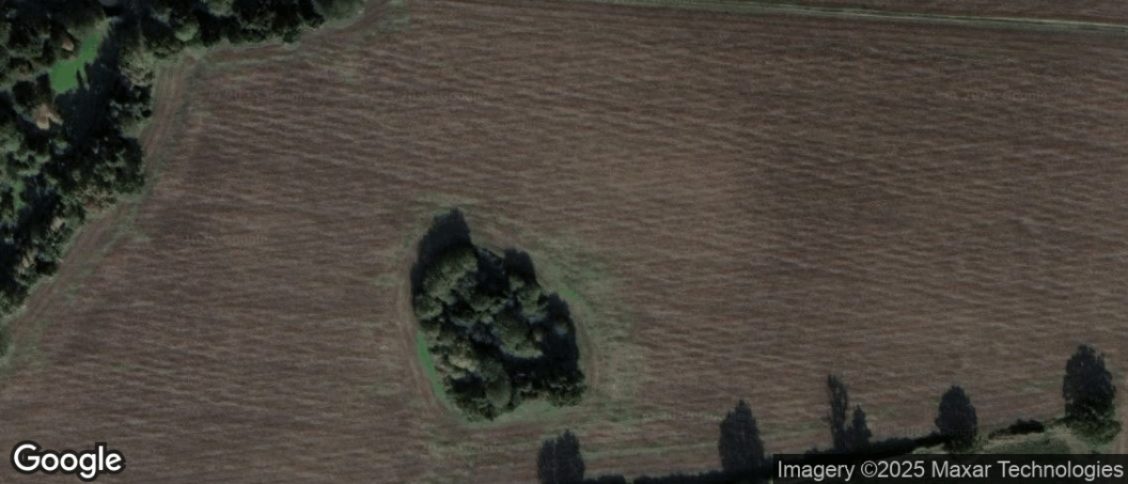
The countryside surrounding Hormead represents its crown jewel. The parish sits in the gentle undulating landscape of East Hertfordshire, characterized by ancient hedgerows, scattered woodlands, and the meandering River Quin. Public footpaths crisscross the area, offering walks ranging from quick village circuits to ambitious day hikes.
Hormead Hares, a local football club with youth teams, makes good use of the available green space, while the surrounding farmland provides a constantly changing backdrop through the seasons—from spring blossoms to summer crops and autumn harvests.
For more structured outdoor recreation, residents can access Buntingford’s facilities or venture to the extensive country parks at Hatfield Forest or Stansted Mountfitchet a short drive away. The area’s gentle hills make it popular with cyclists, though the narrow lanes require caution, especially on weekends when cycling clubs from Cambridge and London frequently pass through.
So, what’s the verdict?
Hormead offers a particular version of rural English living that will delight some and horrify others. Its strongest selling points are undoubtedly its safety, natural beauty, and genuine countryside character. The community, while small, tends to be welcoming and supportive in that distinctly British, non-intrusive manner.
However, the near-complete absence of amenities, limited public transport, and distance from schools make it impractical for many. It demands resilience, planning, and definitely a reliable vehicle—preferably something that can handle occasional mud without complaint.
For families willing to embrace the logistics of rural life, Hormead can provide children with an increasingly rare countryside upbringing. For remote workers seeking peace and space, it’s practically ideal. For anyone dependent on public transport or craving walkable amenities, it would be a daily frustration.
What are the alternatives?
Those drawn to Hormead’s rural character but deterred by its limitations might consider several alternatives. Buntingford itself offers a compromise, with basic amenities within walking distance while still maintaining a small-town feel. Property prices there run slightly lower than Hormead, particularly for smaller properties.
Braughing, another nearby village, boasts two pubs and a slightly stronger community infrastructure while retaining rural charm. For those prioritising transport links, the villages around Royston provide better rail connectivity while still offering countryside living.
Moving slightly further afield, the larger settlements of Bishop’s Stortford or Saffron Walden provide comprehensive amenities and transport options while still offering access to beautiful countryside on their peripheries—though at the cost of higher property prices and less of the genuine rural isolation that characterises Hormead.