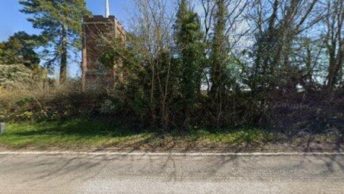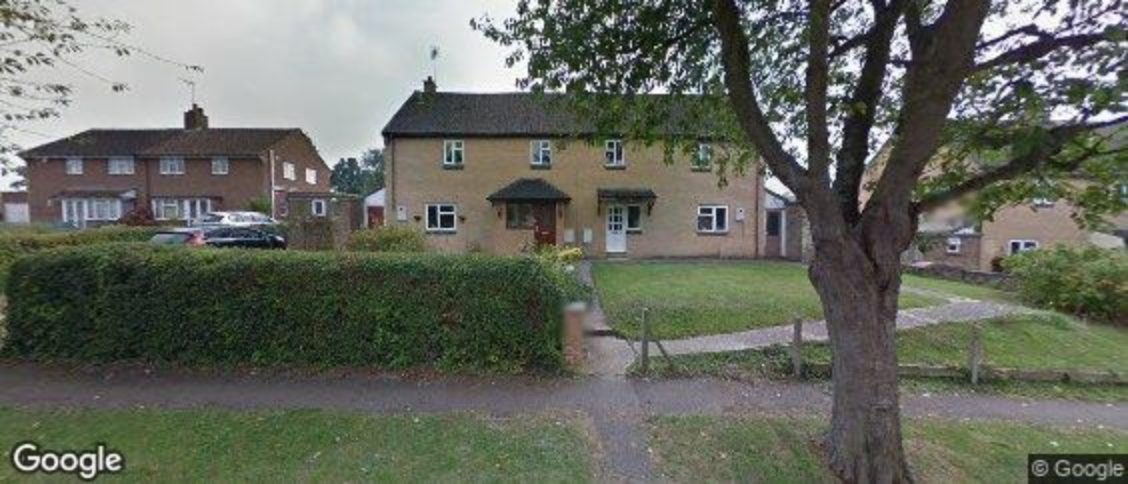
Lilley is a small village tucked away in the North Hertfordshire countryside, offering a distinctly rural lifestyle that stands in stark contrast to the nearby hustle of Luton and Hitchin. This article cuts through the estate agent fluff to give potential residents the genuine lowdown on what life in Lilley actually entails. The village boasts remarkably low crime rates and beautiful countryside surroundings, but suffers from limited amenities and public transport options. Housing here doesn’t come cheap, and families should be prepared for school runs since educational facilities aren’t on the doorstep. Let’s dive into the nitty-gritty of Lilley life.
Is Lilley safe?
Safety is one of Lilley’s strongest selling points. Crime rates sit well below the regional average, with significantly fewer burglaries reported compared to neighbouring areas. The village’s small size and tight-knit community contribute to this security advantage.
When incidents do occur, they tend to cluster around specific areas such as Hexton Road, where anti-social behaviour makes up the majority of reported problems. The parking area has seen some vehicle-related crimes, while East Street occasionally experiences minor public order issues. These are typically low-level disturbances rather than anything more concerning.
Local residents often leave doors unlocked – a practice that would be unthinkable in nearby Luton but speaks volumes about the sense of security in Lilley. The village’s single-road layout also means strangers are quickly noticed, adding an informal layer of community surveillance.
Is Lilley a nice place to live for families?
Lilley presents a mixed proposition for families. The village offers a safe, countryside upbringing with fresh air and open spaces, but lacks some practical amenities that many families consider essential.
Family Activities and Facilities
The village itself has limited dedicated children’s facilities – there’s no proper playground within the village boundaries, though some families make use of the village green for informal play. Local parents often arrange their own activities, with summer picnics and informal sports gatherings becoming community traditions.
The annual Lilley Arms Summer Fete (when the pub was still operating) was once a highlight of the family calendar, though these days families need to look to neighbouring villages for organised events.
Schools
Education requires some planning for Lilley residents. There are no schools in the village itself, meaning daily travel is inevitable. Parents typically look to Offley Endowed Primary School and Nursery, which has a ‘Good’ Ofsted rating and is the closest primary option.
For outstanding primary education, Someries Infant School provides excellent teaching but is further away and extremely competitive for places. Families moving to Lilley specifically for this school should carefully check catchment area details before committing.
Secondary education means looking to Putteridge or Stopsley High Schools, both rated ‘Good’ by Ofsted. The school run becomes a significant part of family life here, with most parents driving rather than relying on limited public transport options.
Is Lilley expensive?
There’s no sugar-coating it – Lilley commands premium prices for its rural charm and proximity to both countryside and commutable towns. With an overall average house price of £430,000 last year, it sits noticeably above many surrounding areas.
Detached properties dominate the market, averaging £460,000, while semi-detached homes typically fetch around £400,000. The housing stock is limited, with properties often staying in families for generations, creating a competitive market when something does become available.
The rental market is extremely sparse, with barely any properties available at any given time. When rentals do appear, expect to pay around £1,350 monthly for a three-bedroom house – a significant premium compared to parts of nearby Luton or Hitchin.
Those seeking better value might consider nearby Offley or Hexton, which offer similar rural settings but often at slightly lower price points. Alternatively, the outskirts of Hitchin provide more amenities while still offering countryside access, though with a busier feel.
What transport links are there?
Transport is Lilley’s Achilles heel. The village has extremely limited public transport, with infrequent bus services that don’t accommodate typical commuting patterns. Car ownership is essentially mandatory for residents.
The nearest train stations are Hitchin and Luton, both requiring a drive of about 15-20 minutes in good traffic. From these stations, London is accessible in approximately 30-40 minutes, making commuting possible but not particularly convenient.
Road connections are reasonable, with the A505 providing links to the A1(M) and M1, though morning traffic towards Hitchin and Luton can be surprisingly heavy. Winter weather occasionally affects the rural roads around Lilley, with the hillier sections sometimes becoming challenging after snowfall.
What amenities are available in Lilley?
Lilley’s amenities are minimal, reflecting its small village status. The closure of the Lilley Arms pub several years ago was a significant blow to local social life, leaving the village without any pubs, restaurants, or bars.
There’s no village shop, post office or other retail facilities, meaning residents must travel to nearby Hitchin or Luton for shopping. Even basic groceries require a car journey, with many residents opting for online deliveries to overcome this limitation.
Healthcare facilities are similarly absent, with doctors’ surgeries and dentists available in surrounding larger settlements. The community does benefit from an active village hall which hosts occasional events, and the local church remains a focal point for some residents.
What is the surrounding outdoor area like?
The countryside surrounding Lilley represents its greatest asset. The village sits within the Chiltern Hills Area of Outstanding Natural Beauty, offering spectacular landscapes and walking opportunities directly from the doorstep.
The Icknield Way, an ancient trackway with roots stretching back to prehistoric times, passes close to the village and provides a wonderful long-distance walking route. Telegraph Hill offers panoramic views across Hertfordshire and Bedfordshire that rival any in the south of England.
Lilley Hoo, a local high point, is popular with walkers and provides a sense of escape despite being relatively close to urban areas. The surrounding beech woodlands are particularly stunning in autumn, while the chalk grasslands burst with wildflowers in spring and summer.
So, what’s the verdict?
Lilley offers an authentic rural lifestyle that will appeal to those seeking peace, safety, and natural beauty, but who are willing to sacrifice convenience. It’s ideal for those who work from home or have flexible commuting arrangements, have reliable transport, and value community and countryside over amenities.
Families should weigh the excellent safety record and healthy outdoor lifestyle against the practical challenges of school runs and lack of immediate facilities for children. The premium housing costs reflect the village’s desirability but require careful consideration against the limited local services.
Ultimately, Lilley suits those who actively want a quiet, traditional village life rather than those seeking a convenient dormitory settlement. Its charm lies precisely in what it doesn’t have – noise, traffic, and urban intrusions – rather than in extensive facilities.
What are the alternatives?
Those drawn to Lilley but concerned about its limitations might consider several alternatives. Offley offers a similar village feel but with a functioning pub and slightly better transport links. Hexton provides comparable rural charm but often at slightly lower property prices.
For those requiring more amenities while maintaining countryside access, the villages surrounding Hitchin such as Pirton or Ickleford offer a middle ground, with better facilities while still providing rural character. Barton-le-Clay, just over the Bedfordshire border, offers more services including shops and better transport options, though with less of the exclusive feel that characterises Lilley.
Those primarily seeking good schools might find the villages around Harpenden more practical, though at even higher property prices, while those prioritising transport links could consider villages closer to the main railway lines.