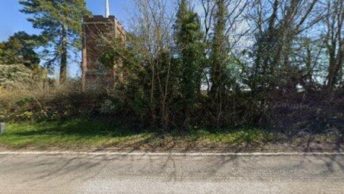
Markyate sits on the edge of Hertfordshire, straddling the border with Bedfordshire and perched along the old Roman road of Watling Street (now the A5). This former coaching stop has evolved into a modest village with about 3,000 residents, offering a curious blend of historical charm and practical living. The village maintains a distinct identity despite being sandwiched between larger towns like Luton, Dunstable, and St Albans. Locals appreciate its relative tranquility and semi-rural setting, though many bemoan the increasing traffic through its narrow High Street and the gradual erosion of community facilities. The truth about Markyate is refreshingly straightforward: it provides a quieter alternative to nearby towns without being truly isolated, though it comes with the limitations typical of a settlement of its size.
Is Markyate safe?
Markyate enjoys a reputation as one of the safer areas in the region, with crime rates substantially lower than both the Hertfordshire average and nearby towns like Luton. The village’s relatively small size contributes to its security, with most residents knowing their neighbours and keeping an eye out for unusual activity.
The village does experience occasional issues, particularly around Park View Drive, where anti-social behaviour sometimes crops up. The High Street sees sporadic incidents, typically late at night and often related to the pub closing times. Gladstone Mews has had its share of minor disturbances, though these tend to be isolated.
Local residents often remark that the community-minded nature of Markyate means problems are quickly addressed. The village’s Neighbourhood Watch scheme is active, and the local PCSO maintains a visible presence. As one resident put it during a recent parish council meeting: “You know your neighbours here, and that makes all the difference to feeling secure.”
Is Markyate a nice place to live for families?
Markyate presents a mixed picture for families. The village atmosphere means children often grow up knowing their peers well, creating a supportive community network. The village has a reasonable playground near the Y2K Hall and a recreation ground off Cavendish Road that provides open space for children to play.
Schools and Education
The education situation is where Markyate faces challenges. The village has its own primary school, Markyate Village School, which serves as a focal point for the community but isn’t rated as outstanding by Ofsted. For families seeking schools with higher ratings, options include Flamstead Village School and Kensworth Church of England Academy, though these are in neighbouring villages.
Secondary education requires travel, with no secondary schools in Markyate itself. Most children attend schools in Harpenden, St Albans, or Hemel Hempstead. Parents frequently mention the school run as a significant consideration when living in Markyate. Competition for places at the better-rated schools can be fierce, with catchment area restrictions often working against Markyate residents.
The village does host several parent-toddler groups at the Methodist church and Y2K Hall, providing valuable social connections for young families. The annual village fête and Christmas celebrations offer family-friendly entertainment, though some residents note that regular activities for older children and teenagers are limited.
Is Markyate expensive?
Property prices in Markyate sit in an interesting middle ground – more affordable than St Albans or Harpenden, but pricier than nearby Dunstable or parts of Luton. With an average price of £495,000 over the last year, it’s not cheap by national standards, but offers relative value within the southern Hertfordshire context.
The village has a varied housing stock. The older properties along the High Street tend to command premium prices, especially the characterful cottages with period features. The terraced properties, averaging £390,000, represent the more affordable end of the market and are popular with first-time buyers and young families. At the top end, detached properties fetch around £740,000, with those on London Road and in the newer developments commanding the highest prices.
The rental market is tight, with limited availability driving prices upward. A typical three-bedroom terraced house costs around £1,650 per month, while two-bedroom properties hover around £1,550. These prices reflect the village’s commuter-belt status and proximity to the M1.
For those finding Markyate beyond their budget, nearby Flamstead offers slightly lower prices with a similar village feel, while parts of Dunstable provide significantly more affordable options but with a more urban environment. Conversely, those with deeper pockets often look to Redbourn or Wheathampstead, which offer more amenities and stronger transport links to London.
What transport links are there?
Markyate’s transport situation is both its blessing and curse. The village sits just off the A5 and close to Junction 9 of the M1, making it convenient for drivers. This strategic position means London is about 40 minutes away by car in good traffic, while Luton and St Albans are roughly 15 minutes’ drive.
Public transport is decidedly less impressive. The village lost its railway station decades ago, meaning residents must drive to Harpenden, St Albans or Luton for train services to London. The 34/35 bus service connects Markyate to Dunstable and Luton in one direction and St Albans and Hemel Hempstead in the other, but services are infrequent, particularly in the evenings and on Sundays.
Most residents acknowledge that car ownership is practically essential for living in Markyate. The village’s narrow High Street often experiences congestion during rush hour, with locals developing elaborate systems of shortcuts and timings to avoid the worst of it. The situation worsens when the M1 experiences problems, as traffic diverts through the village.
Cycling enthusiasts appreciate the country lanes around Markyate, though the busy A5 and lack of dedicated cycle paths mean this isn’t a practical commuting option for most.
What amenities are available in Markyate?
For a village of its size, Markyate maintains a reasonable selection of amenities, though residents frequently travel to larger towns for more substantial shopping. The High Street hosts a One Stop by Tesco with an integrated Post Office, providing essentials and serving as an informal community hub.
Food options are surprisingly diverse for a small village. Markyate Spice offers well-regarded Indian cuisine, while Markyate Grill provides traditional fare. The Nook coffee shop has become a popular meeting spot, and Markyate Fish & Chips maintains a loyal following. Fusion Foods and Olive Naturally Indian add to the takeaway options.
The village supports a doctor’s surgery, a pharmacy, a hair salon, and a barber shop. The Y2K Hall hosts various community activities, including a yoga studio that offers classes throughout the week.
Pub-goers have limited but characterful options with The Plume of Feathers and The Sun, both offering traditional atmospheres and occasionally hosting live music or quiz nights.
While these amenities cover basic needs, residents regularly mention the need to travel to St Albans, Harpenden or Luton for more extensive shopping, entertainment, or specialist services.
What is the surrounding outdoor area like?
Markyate’s setting at the edge of the Chiltern Hills provides excellent access to countryside. The village is surrounded by rolling farmland and woodland, with a network of footpaths radiating outward. The ancient Hertfordshire Way passes nearby, offering long-distance walking opportunities.
Markyate Cell Park, though privately owned, forms a picturesque backdrop to the village with its mature trees and occasional glimpses of its historic manor house. Public footpaths through the estate connect to wider walking routes.
Nearby Whipsnade Zoo and Dunstable Downs provide popular destinations for family outings, both less than 15 minutes’ drive away. The Ashridge Estate, managed by the National Trust, offers extensive woodlands and chalk downland for more ambitious walkers, just a short drive to the west.
Within the village itself, the recreation ground provides a modest green space, though some residents feel it could benefit from investment and better facilities.
So, what’s the verdict?
Markyate offers a particular lifestyle that suits certain demographics better than others. For those seeking a quieter pace with easy access to both countryside and major transport routes, it has genuine appeal. The village maintains enough amenities to meet day-to-day needs, and its community spirit remains stronger than in many similarly sized settlements.
However, families with school-age children may find the education options limiting, while those without cars will struggle with the restricted public transport. The property market offers reasonable value compared to nearby villages, but remains expensive in absolute terms.
The village seems to work best for commuters who value coming home to a place where they know their neighbours, for retirees who appreciate the quieter pace but can drive to access more extensive facilities, and for families with younger children who value the village atmosphere.
What are the alternatives?
Those drawn to Markyate might also consider nearby villages with similar characteristics. Flamstead, just a few miles south, offers a similar village feel with slightly lower property prices but even fewer amenities. Redbourn provides more facilities and better cycling connections to St Albans but at higher property prices.
For better transport links, Harpenden offers direct trains to London but at a significant premium in housing costs. Berkhamsted provides a thriving High Street and excellent schools but again at higher prices.
Those prioritising affordability might look to parts of Dunstable or Luton, trading the village atmosphere for better amenities and transport options at lower property prices.
Ultimately, Markyate occupies a specific niche – neither the cheapest nor the most expensive, neither the most connected nor the most isolated. Its appeal lies in this middle ground, offering a semi-rural lifestyle without complete detachment from urban conveniences.