Redbourn sits about three miles from St Albans in Hertfordshire, straddling the ancient Watling Street (now the A5183) and offering a distinctly village feel despite its proximity to larger towns. The community of roughly 5,000 residents enjoys significantly lower crime rates than surrounding areas, decent school options (though not all are within easy reach), and a quintessentially English village atmosphere that comes with a premium price tag. This charming setting doesn’t come without drawbacks – limited public transport, a dearth of dining options, and house prices that have soared well beyond regional averages present challenges for potential residents.
This article examines Redbourn’s credentials as a place to live, from its safety record to housing costs, amenities and transport links – offering an unvarnished look at what life’s really like in this Hertfordshire village.
Is Redbourn safe?
Locals frequently describe Redbourn as having a strong community feel where neighbours look out for one another. This perception is backed up by hard data, with crime statistics sitting substantially below the regional average – an impressive 55% lower than typical Hertfordshire figures.
Burglary rates are particularly low, running at just a quarter of the regional average. When crime does occur, it tends to be concentrated around predictable hotspots such as the local supermarket (primarily shoplifting) and a couple of residential areas where anti-social behaviour occasionally crops up. The village’s Community Watch scheme remains active, with regular updates shared via social media and community boards.
The relative isolation of the village likely contributes to its safety profile – being somewhat removed from larger urban centres means Redbourn doesn’t typically experience spillover crime issues that affect some surrounding areas.
Is Redbourn a nice place to live for families?
Redbourn has developed something of a reputation as a family-friendly enclave, particularly popular with those looking to escape London while maintaining access to good schools and green spaces.
Parks and Playgrounds
The village boasts several well-maintained play areas, with the East Common play area being particularly popular among local families. Recent council investment has upgraded equipment at Silk Mill Park, addressing previous complaints about dated facilities. The annual Redbourn Village Day in June transforms the common into a family festival, complete with traditional games, local food stalls and community competitions that have run for generations.
Schools
School options present a mixed picture for Redbourn families. While there are outstanding primary and secondary schools accessible from the village, not all are within easy walking distance. The catchment area situation creates frustration for many parents, with the most sought-after schools like Wood End and St Dominic Catholic Primary technically available but increasingly difficult to secure places at due to oversubscription.
Roundwood Park School offers an outstanding secondary option, but again, competition for places is fierce, and families living on Redbourn’s outskirts sometimes find themselves just outside priority catchment zones. Many parents report driving children to schools in neighbouring St Albans or Harpenden as a result.
Is Redbourn expensive?
There’s no sugar-coating it – Redbourn commands premium prices that reflect its village charm and strategic location. With an overall average property price of £645,000 last year, it sits firmly in the upper bracket of Hertfordshire housing costs.
The housing stock varies considerably, with detached properties commanding eye-watering averages of £940,000, while semi-detached homes (the most commonly available property type) sell for around £570,000. For those on tighter budgets, terraced properties offer slightly more accessible entry points at £435,000, though these rarely stay on the market long.
The northern end of the village, particularly around Church End, tends to command the highest prices, with character properties dating back several centuries changing hands for well above asking prices when they rarely come available. The newer developments on the eastern fringes offer more standardised housing at relatively lower price points, though “affordable” remains a stretch by national standards.
Rental options are severely limited, with availability running at just 1% of the regional average. When properties do appear, they’re quickly snapped up, with a two-bedroom flat typically costing around £1,450 monthly and semi-detached family homes reaching £2,150.
Nearby Markyate or Flamstead offer more affordable alternatives with similar rural charm, though both lack some of Redbourn’s amenities. Those prioritising transport links might find better value in parts of northern St Albans, sacrificing village character for improved connectivity and amenities.
What transport links are there?
Transport represents one of Redbourn’s weaker points. The village lost its railway station decades ago during the Beeching cuts, leaving residents reliant on buses or personal vehicles. The 34 and 657 bus services connect to St Albans and Hemel Hempstead respectively, but frequencies are limited, particularly evenings and weekends.
Road connections are considerably better. The M1 runs just east of the village, with Junction 9 providing quick access to the motorway network. The A5183 (formerly the A5) cuts through Redbourn, offering direct routes to St Albans and Dunstable. Most households maintain at least one car, with commuters typically driving to St Albans or Harpenden stations for rail connections into London.
Cycling has gained popularity, with the Nickey Line – a repurposed railway line – providing a traffic-free route into Harpenden. However, the narrow lanes and busy A-roads surrounding the village make cycling a less appealing option for daily commuting beyond this dedicated path.
What amenities are available in Redbourn?
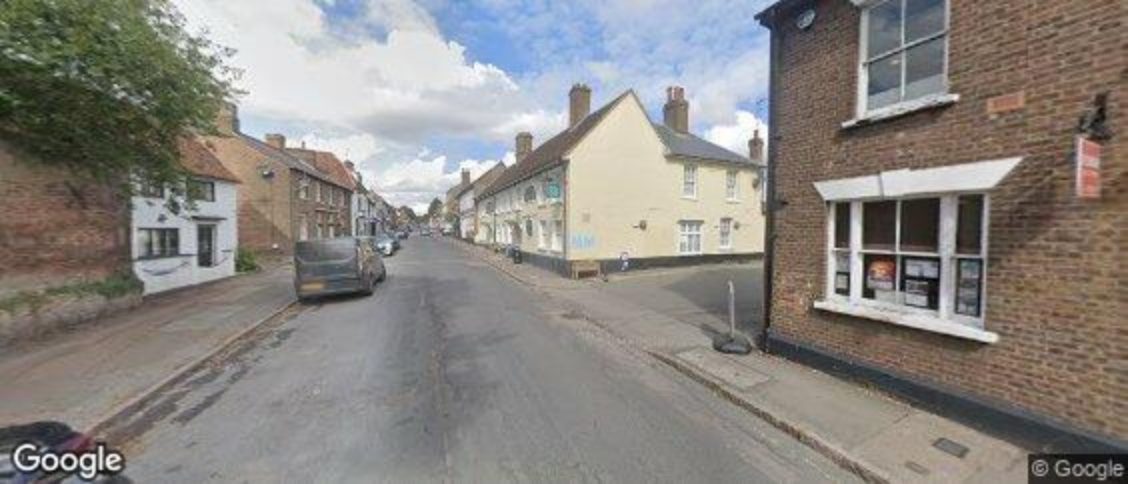
Redbourn offers a functional but limited range of amenities. The High Street maintains a traditional village character with a handful of independent shops alongside practical services.
For groceries, residents rely primarily on the Co-op, supplemented by The Handy Store and Nisa Weyman for top-up shopping. For major supermarket runs, most locals drive to St Albans or the Tesco in Hemel Hempstead.
The village’s amenity profile has shifted over recent years. While it maintains essentials like a post office, pharmacy, library and doctor’s surgery, the hospitality sector has struggled. Despite its village green setting seemingly perfect for country pubs, Redbourn currently lacks any pubs or restaurants within the immediate area – a source of frequent complaint on local forums.
Healthcare services are adequate but basic. The village pharmacy provides essential services, but specialist care requires travel to St Albans City Hospital or further afield to Watford or Luton & Dunstable hospitals.
Personal care services are surprisingly well-represented, with five hair salons and two barber shops serving the village population. The presence of three gyms reflects growing demand for fitness facilities, though these are modest in scale compared to larger towns nearby.
What is the surrounding outdoor area like?
Redbourn’s surrounding countryside represents one of its strongest assets. The village sits amid classic Hertfordshire chalk landscapes, with gently rolling fields and ancient woodlands within easy reach. The Redbourn Common forms the heart of the village – an expansive green space hosting cricket matches in summer and dog walkers year-round.
The Nickey Line provides a popular walking and cycling route, while paths around Long Cutt and Blackhorse Lane offer pleasant circular walks with views across farmland. The Ver Valley Walk passes nearby, following the rare chalk stream that gives the valley its name.
Golf enthusiasts appreciate Redbourn Golf Club on the village outskirts, while horse riding remains popular with several stables in the vicinity. The ancient Redbournbury Watermill just outside the village has been restored to working order and opens to visitors on selected days.
So, what’s the verdict?
Redbourn offers a distinctive package that appeals to a specific demographic – typically families or retirees seeking village life with reasonable access to larger towns and London. Its safety record, community spirit and rural setting represent genuine strengths that justify some of the premium residents pay to live here.
The compromises are equally clear – limited amenities, patchy public transport and eye-watering property prices create significant barriers to entry. The school situation requires careful navigation, with catchment areas causing headaches for families with specific educational preferences.
For those with sufficient budget who prioritise a traditional village atmosphere over urban conveniences, Redbourn delivers a quintessentially English living experience that’s increasingly rare within the commuter belt. Others might find better value and amenities elsewhere, particularly if regular access to shops, restaurants and transport links features high on their priority list.
What are the alternatives?
Those drawn to Redbourn but deterred by prices might consider Markyate, five miles north, which offers similar village character at slightly lower price points, though with even more limited amenities. Flamstead provides another village alternative with marginally better value property, though similarly constrained by limited services.
For better amenities while maintaining some character, the northern edges of St Albans (particularly around Bernards Heath) offer a compromise with improved access to shops, restaurants and transport, albeit with a more suburban feel. Harpenden provides excellent schools and amenities but at even higher property prices than Redbourn.
Those prioritising value might look east toward Wheathampstead or south to villages around Hemel Hempstead, where property prices typically run 15-20% below Redbourn averages while still offering access to countryside and reasonable commuting options.