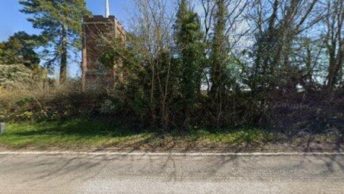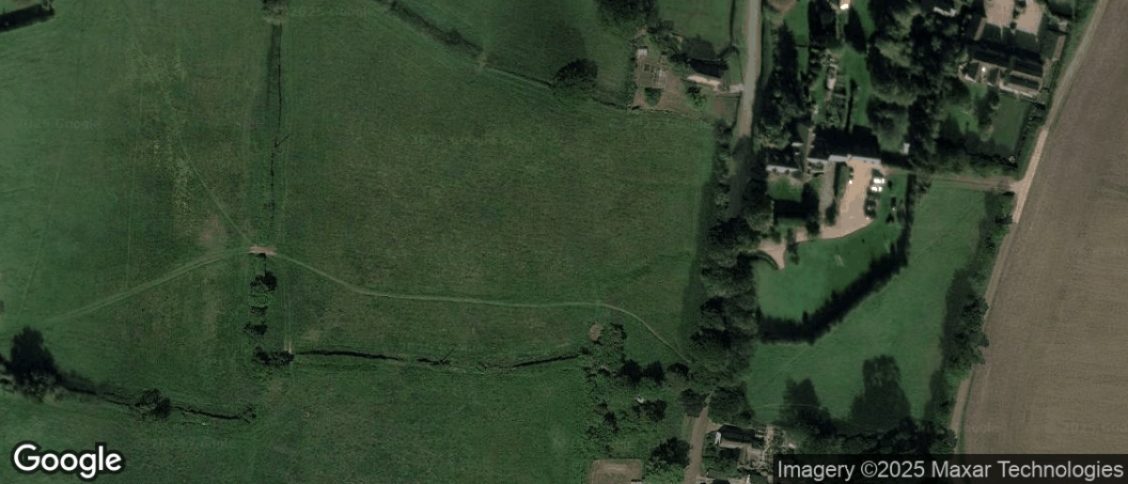
Reed is a tiny, picturesque village tucked away in North Hertfordshire, just south of Royston. With fewer than 300 residents, it maintains a distinctly rural character that sets it apart from nearby towns. The village boasts the oldest continuously used church in Hertfordshire, a traditional village green, and a strong community spirit. However, Reed’s small size means limited amenities, and residents depend heavily on nearby towns for most services. This article examines the reality of life in Reed – from its exceptional safety record and quiet surroundings to its challenging property market and transport limitations – to help potential residents decide if this quintessential English village matches their lifestyle needs.
Is Reed safe?
Reed enjoys an enviable reputation for safety, even by Hertfordshire’s generally secure standards. The village experiences remarkably few incidents, with crime rates significantly below the regional average.
Local residents often mention how they feel comfortable leaving doors unlocked – though this isn’t recommended – and children can play with minimal supervision. The village’s small population means most residents know each other, creating an informal neighbourhood watch system where unusual activities rarely go unnoticed.
The few incidents that do occur tend to be concentrated around Church Close and Church Lane, with occasional public order issues near Willow Close, but these are extremely rare compared to surrounding areas. The absence of pubs or late-night establishments within the village proper contributes to the peaceful atmosphere, particularly during evenings and weekends.
Is Reed a nice place to live for families?
Reed offers a distinctive family environment that appeals to those seeking a traditional village upbringing for their children. The strong community spirit means children grow up knowing their neighbours, with plenty of open spaces for outdoor play and exploration.
Schools and Education
Reed First School sits at the heart of the village and enjoys a ‘Good’ Ofsted rating. This small primary school provides education up to Year 4 (ages 8-9), offering intimate class sizes where teachers know every child personally. However, parents should note that after Year 4, children typically transfer to middle schools in nearby towns.
For families considering Reed, it’s worth noting that while Reed First School is excellent, other educational options require planning. Barkway VA Church of England First School and Therfield First School are alternatives in neighbouring villages, both rated ‘Good’ by Ofsted. However, these schools have limited capacity, and catchment areas can be competitive.
Secondary education involves travelling to Royston or further afield to Baldock or Buntingford, so families with teenagers should factor in transportation considerations.
Family Activities
Reed’s village green hosts occasional community events, including the annual Reed Fair which brings residents together for traditional games and activities. The surrounding countryside offers excellent opportunities for family walks, cycling and nature exploration.
The village lacks formal playgrounds, but the natural environment provides children with the increasingly rare opportunity to play in fields, climb trees and enjoy outdoor adventures. For more structured activities, families typically travel to Royston or Cambridge.
Is Reed expensive?
Reed commands premium prices that reflect its idyllic rural setting and desirable village status. With an average property price of £735,000 over the past year, it sits considerably above the Hertfordshire average, which is itself one of the UK’s more expensive counties.
The housing stock predominantly consists of detached period properties and converted farm buildings, with limited new development due to conservation restrictions. When properties do come to market – which is infrequently – they typically sell quickly despite the high price tags.
The rental market in Reed is practically non-existent, with virtually no properties available for rent at any given time. This reflects both the small size of the village and the fact that most properties are owner-occupied, often by families who have lived in the area for generations.
For those seeking more affordable options while maintaining access to the area, nearby Barkway offers slightly lower prices, while Royston provides a wider range of property types and price points while still being just a few minutes’ drive away.
What transport links are there?
Transport is perhaps Reed’s greatest challenge for residents. The village has extremely limited public transport, with infrequent bus services connecting to Royston. Most households find at least one car essential for daily life.
The A10 runs close to the village, providing road connections to Cambridge (approximately 15 miles north) and London (45 miles south). Royston, just 3 miles away, offers rail services on the Cambridge to London King’s Cross line, with trains reaching London in around 45 minutes – making commuting possible, if not entirely convenient.
Cycling is popular among residents for local journeys, particularly to Royston in good weather, but the narrow country lanes and lack of dedicated cycle paths mean this isn’t suitable for everyone. Taxi services from Royston provide an alternative when needed, though this can become expensive if used regularly.
What amenities are available in Reed?
Reed’s amenities are extremely limited, reflecting its small size and rural character. The village has no shops, no post office, and no pubs within the village itself, though The Cabinet pub on the A10 at the edge of the parish was once a popular local establishment before closing (local campaigns have attempted to reopen it as a community asset).
The Silver Ball Cafe, located on the A10 near Reed, provides a casual dining option for breakfast and lunch, while Spice Cabinet offers Indian cuisine for those seeking more variety without travelling too far.
The village does have a veterinary practice, which is convenient for the many pet owners and those keeping horses or livestock in the surrounding countryside.
For daily shopping, healthcare, banking and other services, residents typically travel to Royston, which offers supermarkets, high street shops, a leisure centre, and medical facilities including a community hospital.
What is the surrounding outdoor area like?
The countryside surrounding Reed is one of its greatest assets. The village sits on relatively high ground for Hertfordshire, offering beautiful views across rolling farmland. The ancient Icknield Way path passes close to the village, providing excellent walking opportunities along one of Britain’s oldest routes.
Reed Wood, a small area of ancient woodland to the south of the village, offers pleasant walks and seasonal displays of bluebells. The wider area features a network of public footpaths crossing farmland and connecting to neighbouring villages like Barkway and Therfield.
Therfield Heath, just outside Royston, provides a larger natural space with rare chalk grassland, woodland areas, and a nature reserve. It’s popular with walkers, runners, and nature enthusiasts, offering spectacular views across multiple counties on clear days.
So, what’s the verdict?
Reed offers an authentic slice of traditional rural English life that has become increasingly rare. Its outstanding safety record, strong community spirit, and beautiful natural surroundings make it appealing for those seeking tranquility and a connection to countryside living.
However, the practical realities of high property prices, limited amenities, and transportation challenges mean it’s not suitable for everyone. Families with young children may appreciate the village school and safe environment, but teenagers might feel isolated. Working professionals will need to contend with commuting challenges, and those without private transport would find daily life extremely difficult.
Reed is ideal for those who value peace, natural beauty, and community over convenience and accessibility – particularly if they can afford the premium property prices that come with this increasingly rare lifestyle.
What are the alternatives?
For those drawn to the area but concerned about Reed’s limitations, several alternatives exist. Royston offers significantly more amenities, better transport links, and a wider range of property types and prices while still providing easy access to countryside. Barkway provides a slightly larger village experience with a pub and more regular community events, while maintaining a rural character.
Baldock and Buntingford, both historic market towns within 15 minutes’ drive, offer more comprehensive facilities while still retaining character and charm. For those needing better connections to London but wanting countryside proximity, Letchworth Garden City combines excellent rail links with thoughtfully planned green spaces and a distinctive architectural heritage.