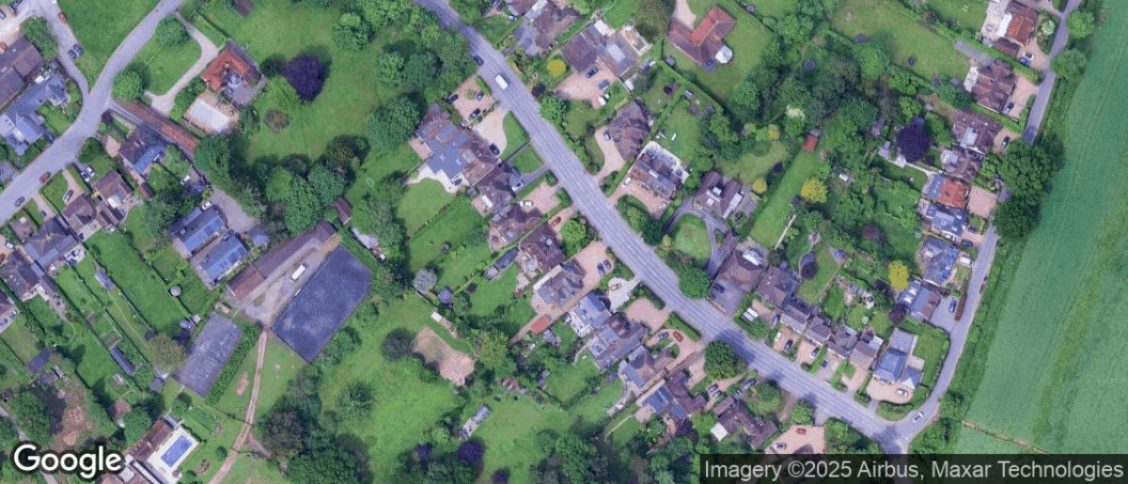
Sarratt sits in a picturesque corner of Hertfordshire, a relatively unknown village that’s managed to retain its rural charm despite being within striking distance of London. Located in the Chess Valley, this quintessentially English village has developed something of a reputation as a sanctuary for those looking to escape the urban sprawl without disconnecting entirely. The local consensus generally paints Sarratt as idyllic – though this comes with the premium price tag you’d expect.
This article digs beneath the quaint exterior to explore what life in Sarratt actually offers. From its remarkable safety record and limited amenities to the eye-watering property prices and transport limitations, we’ll examine whether the reality matches the chocolate-box image that so many outsiders have of this Hertfordshire hideaway.
Is Sarratt safe?
Sarratt enjoys an enviable safety record that many communities would be green with envy over. Crime rates sit substantially below the regional average, making it one of the safest villages in Hertfordshire. This isn’t just estate agent patter – the statistics genuinely back this up.
The village’s tranquility isn’t accidental. Its small, close-knit community means strangers stick out like a sore thumb, creating a natural deterrent. Local residents often leave doors unlocked – a practice that would be unthinkable in nearby towns. When incidents do occur, they tend to be concentrated around a few specific areas like New Road, where anti-social behaviour occasionally crops up, typically involving bored teenagers rather than anything more sinister.
The local Neighbourhood Watch is particularly active, with community WhatsApp groups buzzing whenever anything unusual happens. As one resident put it during the most recent parish council meeting, “The biggest crime in Sarratt is putting the wrong items in your recycling bin.”
Is Sarratt a nice place to live for families?
Sarratt has become something of a magnet for families seeking a rural upbringing for their children while maintaining careers in London or Watford. The village green regularly hosts impromptu football matches and picnics during summer months, while the surrounding countryside provides endless adventure opportunities.
Schools and Education
The village’s primary education offering centers around Sarratt Church of England School, which serves as both an educational institution and community hub. While not rated outstanding, it maintains a solid reputation with locals praising its nurturing environment and community involvement.
For secondary education, families face more complicated choices. Despite the data suggesting numerous outstanding primary schools in the area, most are actually some distance away. The reality is that secondary education requires either a journey to schools in Rickmansworth, Chorleywood or Watford, or considering private options like York House in nearby Croxley Green.
Competition for places at the better-performing schools is fierce, with catchment areas being a significant concern. Many families report having to be strategic about their exact location within Sarratt to improve their chances at preferred schools.
Family Activities
The village hall hosts a surprising variety of children’s activities, from ballet classes to Cubs and Brownies. The annual Sarratt Festival in May transforms the village into a fairground of sorts, with traditional games, local produce competitions, and the infamous duck race on the River Chess drawing families from surrounding villages.
For rainy days, the lack of indoor activity centers means a trip to nearby Rickmansworth or Watford becomes necessary – something to consider when weighing up the rural idyll against practical family needs.
Is Sarratt expensive?
There’s no skirting around it – Sarratt commands premium prices that reflect its desirability. With an average property price hovering around £995,000, it’s firmly in the upper echelons of Hertfordshire’s property market. Detached properties, which dominate the local housing stock, fetch eye-watering sums averaging £1.42 million.
The village has distinct price zones. Properties overlooking the green or with Chess Valley views command the highest premiums. The more modern developments toward the Chipperfield end of the village offer slightly more reasonable entry points, with terraced properties occasionally appearing around the £525,000 mark.
The rental market is painfully tight, with properties snapped up almost instantly when they appear. A typical three-bedroom flat commands around £1,750 monthly, though availability is extremely limited compared to neighboring areas.
Those seeking more affordable options might consider nearby Chipperfield or parts of Chorleywood, though they lack Sarratt’s distinctive character. Alternatively, Bovingdon offers similar rural charm with slightly more reasonable property prices, particularly for first-time buyers.
What transport links are there?
Transport is Sarratt’s Achilles heel. There’s no railway station, with the nearest options being Chorleywood or Rickmansworth on the Metropolitan Line – both requiring a car journey or the infrequent local bus service.
The 352 bus connects the village to Watford and Hemel Hempstead, but services are limited, particularly evenings and weekends. Most households find two cars essential – one for the commuter to reach the station and another for daily village life.
Road connections are reasonable, with the M25 accessible within about 15 minutes, though morning traffic around Junction 18 can add frustrating delays. The narrow, winding country lanes connecting Sarratt to surrounding areas are picturesque but can become treacherous in winter weather.
Cycling enthusiasts love the area, though the challenging topography and lack of dedicated cycle paths make it more recreational than practical for commuting.
What amenities are available in Sarratt?
Sarratt’s amenities reflect its small size – charming but limited. The village’s commercial heart consists of the Sarratt Community Post Office Stores, which serves as newsagent, grocery shop, and social hub rolled into one. It stocks essentials at slightly inflated prices, but for proper supermarket shopping, residents head to Rickmansworth or Chorleywood.
The Sarratt Green Café has become something of a local institution, particularly on weekend mornings when cyclists descend on the village. It offers decent coffee and homemade cakes, but limited opening hours.
The village boasts two excellent pubs – The Boot and The Cock Inn – both serving good quality food and providing the setting for much of the community’s social life. The latter’s beer garden offers stunning views across the Chess Valley that draw visitors from miles around during summer.
Healthcare provision is basic but functional. There’s a small GP practice with limited hours, meaning most residents register with larger surgeries in surrounding towns. The village hall hosts visiting services like physiotherapy and chiropody on a weekly basis.
What is the surrounding outdoor area like?
Sarratt’s greatest asset is undoubtedly its stunning natural surroundings. The Chess Valley offers some of Hertfordshire’s most picturesque walking routes, with the riverside path between Sarratt and Chenies being particularly popular. Numerous public footpaths crisscross the surrounding farmland, offering endless opportunities for exploration.
Sarratt Bottom, despite its unfortunate name, provides beautiful meadowland alongside the River Chess, supporting diverse wildlife including the occasionally spotted water vole. The area is designated as a Site of Special Scientific Interest, reflecting its ecological importance.
Whippendell Wood lies within easy reach, offering ancient woodland experiences and spectacular bluebells in spring. For more formal outdoor recreation, the village green hosts cricket matches throughout summer, continuing a tradition that dates back over a century.
So, what’s the verdict?
Sarratt offers an increasingly rare proposition – authentic village life within the London commuter belt. Its exceptional safety record, stunning natural beauty, and strong community spirit create a lifestyle that many find deeply appealing. The village’s resistance to excessive development has preserved its character in a way that many similar communities haven’t managed.
However, this comes at significant cost, both financial and practical. The eye-watering property prices exclude many, while the limited amenities and transport options require adaptation and planning. For families, the school situation demands careful consideration.
Sarratt works best for those who value peace, natural beauty and community over convenience – and have the budget to make the compromise. It’s not for everyone, but those who fall for its charms tend to stay for decades.
What are the alternatives?
Those drawn to Sarratt but deterred by prices or practicalities have several alternatives worth considering. Chipperfield offers a similar village atmosphere with slightly better amenities and more varied housing stock. Chorleywood provides superior transport links and excellent schools, albeit with a more suburban feel.
For those prioritizing value, villages like Bovingdon or Flaunden offer rural charm at more accessible price points, though with even more limited amenities. Meanwhile, parts of Rickmansworth, particularly around the aquadrome, provide a halfway house between town convenience and natural beauty.
Each alternative involves trade-offs – better transport typically means less rural character; lower prices usually mean fewer amenities. Sarratt’s unique selling point remains its uncompromising commitment to preserving its village identity, something increasingly precious in the Home Counties.